BLOG
Unlock the Secrets to Efficient Dropshipping Business Logistics: 10 Essential Tips for Success
By Chelsea Hall | Updated on October 7, 2025

Managing a Successful Dropshipping Business and the Importance of Logistics
Running a successful dropshipping business hinges on more than just selecting trendy products and appealing to your target market. One of the critical components that can make or break your venture is logistics. Dropshipping business logistics encompasses everything from sourcing products and managing inventory to shipping orders efficiently and maintaining customer satisfaction. In this comprehensive guide, we'll delve into the essential aspects of dropshipping logistics, providing you with 10 actionable tips to streamline your operations and boost your business's profitability.
1. Understanding Dropshipping Business Logistics
In dropshipping, the retailer does not hold any inventory. Instead, when a customer places an order, the retailer purchases the product from a third-party supplier, who then ships it directly to the customer. This model eliminates the need for upfront inventory investments but adds a layer of complexity to logistics that needs meticulous management.
2. Choosing Reliable Dropshipping Suppliers
The Role of Dropshipping Suppliers
Dropshipping suppliers are the backbone of your business. They are responsible for product availability, order fulfillment, and timely shipping. A reliable supplier ensures a smooth operation, while a subpar one can lead to delays, errors, and dissatisfied customers.
How to Vet Dropshipping Suppliers
Research and Reviews
Look for suppliers with positive reviews and a proven track record.
Sample Orders
Place test orders to evaluate the product quality and shipping times.
Communication
Ensure they have responsive customer service.
Technology Integration
Choose suppliers who offer seamless integration with your e-commerce platform for real-time inventory updates and order processing.
Top Dropshipping Suppliers to Consider
AliExpress
Known for its vast selection and global reach.
TopDawg
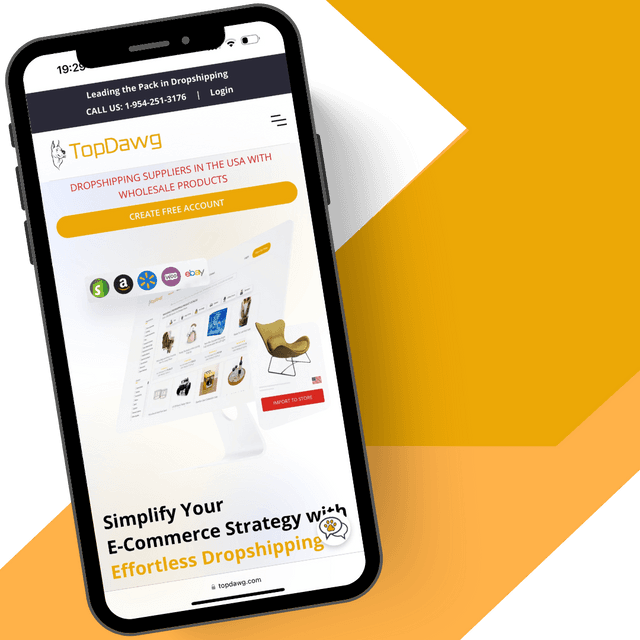
A reputable supplier offering a wide range of products and reliable shipping services. TopDawg integrates well with popular ecommerce platforms, making it a solid choice for dropshippers.
Oberlo
Offers easy integration with Shopify.
Spocket
Focuses on International suppliers and re-branded products.
3. Managing Inventory Without Holding Stock
Even though you don't hold physical inventory in dropshipping, managing inventory data is crucial. Knowing your suppliers' stock levels and lead times can help you set accurate customer expectations and avoid stockouts or overselling.
Inventory Management Tools
Utilize inventory management software that integrates with your suppliers to get real-time updates on stock levels. Tools like Oberlo, Spocket, Inventory Source, and TopDawg's integration features can automate this process, ensuring you always have accurate data.
Streamlining Order Processing
Order processing efficiency directly impacts your customer satisfaction. Delays or errors can lead to negative reviews and lost business.
Automating Order Fulfillment
Integrate your e-commerce platform with your suppliers to automate the order fulfillment process. This ensures that orders are forwarded to suppliers as soon as they are placed, minimizing delays.
4. Shipping Strategies for Dropshipping Businesses
Shipping is a critical element of your dropshipping logistics strategy. Efficient shipping practices can enhance customer satisfaction and boost your brand's reputation.
Selecting Shipping Methods
Offer multiple shipping options to cater to different customer preferences. Standard, expedited, and international shipping options can provide flexibility and meet various needs.
Tracking Shipments
Provide customers with tracking information to keep them informed about their order status. This transparency builds trust and reduces anxiety about delivery times.
5. Importance of Packaging Products Correctly for Shipping
Ensuring Product Safety
Proper packaging is essential to protect products during transit. Damaged goods lead to returns, refunds, and unhappy customers.
Enhancing Brand Experience
Packaging is an extension of your brand. Thoughtfully designed packaging can create a memorable unboxing experience and foster brand loyalty.
Sustainable Packaging
Consider using eco-friendly packaging materials. This appeals to environmentally conscious consumers and can set you apart from competitors.
6. Dealing with Returns and Refunds
Return Policies
Have clear and customer-friendly return policies. This transparency helps build trust and can reduce disputes.
Efficient Return Processes
Work with your suppliers to ensure a smooth return process. Quick and hassle-free returns can enhance customer satisfaction.
7. Handling International Logistics
Customs and Duties
Understand the customs regulations and duties for the countries you ship to. This knowledge helps you provide accurate shipping costs and delivery times to your customers.
International Shipping Providers
Partner with reliable international shipping providers who have experience handling global logistics. Companies like DHL, FedEx, and UPS can be valuable partners.
8. Leveraging Technology for Efficient Logistics
E-commerce Platforms
Choose an e-commerce platform that supports dropshipping and integrates well with various suppliers and shipping providers. Shopify, WooCommerce, and BigCommerce are popular choices.
Logistics Software
Invest in logistics software that can automate and optimize various aspects of your logistics operations, from inventory management to shipping and returns. Notable options include:
ShipStation
A robust tool for managing and automating shipping processes.
Ordoro
Known for its comprehensive logistics features and ease of use.
TopDawg
Provides integration features that streamline inventory management and order processing for dropshippers, making logistics more efficient.
TradeGecko
Offers inventory and order management solutions for growing businesses.
9. Customer Communication and Transparency
Order Confirmations and Updates
Send order confirmations and regular updates to keep customers informed about their order status. This proactive communication can reduce customer inquiries and enhance satisfaction.
Handling Customer Inquiries
Have a robust customer service system in place to handle inquiries efficiently. Prompt and helpful responses can turn potential issues into positive experiences.
10. Measuring and Improving Logistics Performance
Key Performance Indicators (KPIs)
Track KPIs such as order accuracy, shipping times, and return rates. These metrics can help you identify areas for improvement and measure the effectiveness of your logistics strategies.
Continuous Improvement
Regularly review and refine your logistics processes. Stay updated with industry trends and technologies to continually enhance your operations.
Conclusion
Mastering dropshipping business logistics is essential for running a successful and profitable dropshipping business. By choosing reliable suppliers, streamlining order processing, ensuring proper packaging, and leveraging technology, you can create a seamless and efficient logistics operation. Remember, happy customers are repeat customers, and efficient logistics play a significant role in achieving customer satisfaction and business growth.
Related Articles
Ultimate Guide to Finding the Best Shopify Dropshipping Suppliers: 7 Essential Tips & Top Providers
How to Start a Dropshipping Business: A Complete Guide
Top Benefits of Dropshipping for eCommerce Retailers
How to Find Reliable Dropshipping Suppliers: A Retailer's Guide
How Can Automation Enhance My Dropshipping Business's Efficiency?
Top U.S. Based Dropshipping Suppliers: A Comprehensive Review
From Start-Up to Scale-Up: Grow Your Dropshipping Business
Social Media Marketing for Dropshippers: A Beginner's Guide
Interested in Starting a Dropshipping Business?
If you are interested in starting a dropshipping business, please read TopDawg’s “Ultimate Guide to Launching a Successful Dropshipping Business.” This comprehensive guide aims to equip new dropshippers with the knowledge and tools to start and scale their business effectively. By incorporating a range of e-commerce platforms and emphasizing the selection of a dependable dropshipping partner like TopDawg, the guide provides a solid foundation for starting a dropshipping business and building a profitable online store.
Launching your online retail business is a stepping stone to a successful enterprise. At TopDawg, we enhance your journey by granting access to a diverse network of wholesale dropshipping suppliers and a selection of dropshipping products. Furthermore, we deliver efficient store integrations, streamlined order automation, and reliable shipping tools, all tailored to increase your profit margins.
Frequently Asked Questions
Additional Resources






Create a Free Account to Get Started
Creating a free account only requires a valid email address, with no credit card needed.