The TopDawg Dropshipping Company Blog
For Dropshipping Retailers and Dropship Suppliers with Wholesale Products
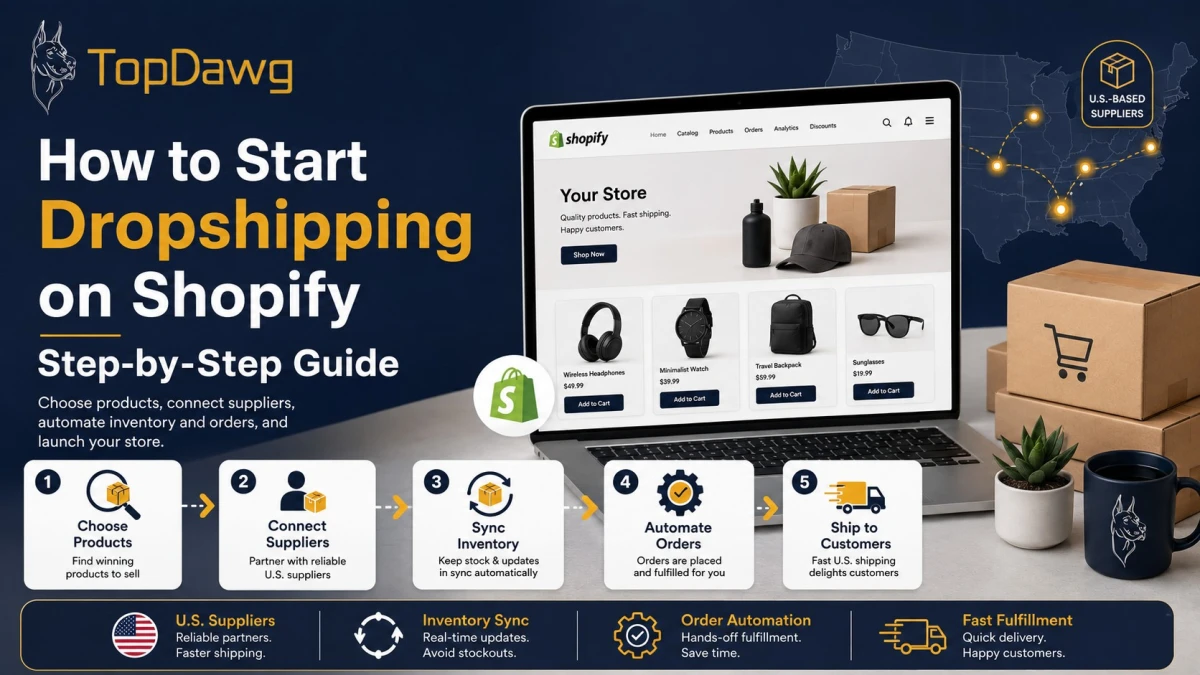
How to Start Dropshipping on Shopify (Step-by-Step Guide)
A Complete Guide to Choosing U.S. Suppliers, Adding Products, Automating Inventory and Orders, and Building a Shopify Dropshipping Store That Can Scale Starting a dropshipping business on Shopify can be one of the most accessible ways to launch an ecommerce store without purchasing large quantities of inventory upfront. Instead of stocking products in your own warehouse, you connect your Shopify store with dropshipping suppliers that maintain the inventory and fulfill customer orders on your behalf. Your job is to build the store, choose products, set pricing, attract customers, manage the customer relationship, and operate the business. But there is an important distinction between starting a Shopify dropshipping store and building one that can actually grow. A store may be easy to launch. A scalable business requires more. You need reliable suppliers, accurate product information, synchronized inventory, sensible pricing, automated order processing, dependable fulfillment, shipment tracking, customer service, and a clear marketing strategy. For retailers selling primarily to U.S. consumers, working with domestic suppliers can also help reduce long international delivery windows and create a more predictable fulfillment experience. This step-by-step guide explains how to start dropshipping on Shopify from the ground up, including how to choose products, evaluate suppliers, build your storefront, automate essential operations, understand your responsibilities as the retailer, and prepare your store for growth. If you already have a Shopify store and are ready to connect it directly with U.S.-based suppliers, explore the TopDawg Shopify dropshipping app and integration. 🚀 How to Start Dropshipping on Shopify: The Quick Answer To start a dropshipping business on Shopify, create a Shopify store, choose a product niche, find reliable dropshipping suppliers, connect a supplier or dropshipping app, import products, set your pricing, configure payments and shipping, test your checkout and fulfillment process, and then begin marketing your store. A basic Shopify dropshipping workflow looks like this: Supplier → Shopify Store → Customer Order → Automated Order Processing → Supplier Fulfillment → Tracking → Customer Delivery The major advantage of dropshipping is that the retailer does not need to purchase and warehouse every product before making a sale. However, the retailer still operates the ecommerce business. That means you remain responsible for important areas such as: ✅ Product selection✅ Product descriptions and merchandising✅ Retail pricing✅ Customer acquisition✅ Checkout experience✅ Customer communication✅ Returns and refunds✅ Supplier selection✅ Marketplace and legal compliance✅ Overall customer satisfaction The supplier fulfills the product, but your Shopify store owns the customer relationship. That distinction is one of the most important things new dropshippers need to understand. 🛒 What Is Shopify Dropshipping? Shopify dropshipping is an ecommerce fulfillment model where products are sold through a Shopify store but physically stored and shipped by third-party suppliers. When a customer places an order: The customer purchases the product through your Shopify storefront. The order enters your Shopify administration and connected fulfillment workflow. The appropriate supplier receives the order information. The supplier prepares and ships the product directly to the customer. Shipment and tracking information is returned to the retailer through the connected workflow where supported. The retailer continues managing the customer experience. You never need to physically handle each product yourself. This is different from traditional retail, where the merchant may purchase hundreds or thousands of dollars of inventory, receive the merchandise, store it, package individual orders, and arrange shipping. If you want a more detailed explanation of the overall business model before building your store, read What Is Dropshipping?. 📦 Why Shopify Works Well for Dropshipping Shopify provides the ecommerce storefront and commerce infrastructure, while dropshipping suppliers provide the product inventory and fulfillment. Together, they allow retailers to separate two major functions: Shopify handles the storefront and commerce experience. The supplier handles physical inventory and fulfillment. A dropshipping platform or integration connects the two. That connection can automate many of the operational steps that would otherwise need to be completed manually. 🧭 Step 1: Decide What Type of Shopify Dropshipping Store You Want to Build One of the biggest mistakes new retailers make is opening a Shopify account before deciding what kind of business they actually want to create. The technology should support the business strategy—not replace it. Before choosing products, answer a few basic questions. 🎯 Who Is Your Target Customer? Instead of saying, "I want to sell products online," define the customer you want to serve. For example: ✅ Pet owners✅ Outdoor enthusiasts✅ Homeowners✅ Parents✅ Fashion shoppers✅ Fitness consumers✅ Hobbyists✅ Gift buyers✅ Automotive enthusiasts The clearer the audience becomes, the easier it is to make decisions about products, branding, content, advertising, and merchandising. 🛍️ Will You Build a Niche Store or General Store? A niche Shopify store focuses on a defined category or customer. A general store offers products across multiple categories. Both models can work, but niche stores often make branding and audience targeting easier because the products share a common customer profile. For example, a pet-focused store can create collections around dogs, cats, travel accessories, grooming, toys, feeding, and pet-owner lifestyles. A general store offers broader testing flexibility but usually requires more disciplined merchandising to avoid feeling random. 💡 Think Beyond a Single "Winning Product" Products gain and lose popularity. Instead of building the entire business around one item, consider whether successful products can lead naturally to related merchandise. A strong store has room to grow. 🔎 Step 2: Research Products Before You Build the Store Product selection is one of the most important decisions in dropshipping. The goal should not simply be finding products that look interesting. Look for products that make sense economically, operationally, and from a marketing perspective. ✅ What Makes a Good Dropshipping Product? There is no perfect formula, but useful characteristics can include: ✅ Clear customer use case✅ Understandable value proposition✅ Attractive retail margin potential✅ Reasonable shipping characteristics✅ Strong images and product information✅ Reliable supplier inventory✅ Low likelihood of excessive returns✅ Potential for complementary products✅ Ability to demonstrate or market visually✅ Clear target audience Retailers looking for ideas can explore TopDawgs dropshipping product catalog to research merchandise across multiple consumer categories. 📊 Evaluate the Economics Before Importing Products Never select a product based only on its retail selling price. Estimate profitability using: Retail Selling Price– Wholesale Product Cost– Shipping Cost– Payment Processing Costs– Advertising / Customer Acquisition Cost– Returns and Refund Allowance– Applicable Platform or App Costs– Other Operating Expenses= Estimated Profit A $50 product is not necessarily more profitable than a $30 product. Margin depends on the entire cost structure. 📦 Consider Fulfillment Before Marketing Potential A product may look fantastic in an advertisement but become a poor choice if it is frequently out of stock, difficult to ship, highly fragile, or prone to returns. Ask: ✅ Where is the product stored?✅ How quickly does the supplier process orders?✅ Which carriers are used?✅ Is inventory data available electronically?✅ Are tracking numbers provided?✅ What happens when a customer requests a return?✅ Is the supplier dependable during periods of increased demand? Products and operations need to work together. 🇺🇸 Step 3: Choose Reliable Shopify Dropshipping Suppliers Your suppliers become an invisible extension of your brand. Customers may never know the suppliers name, but they will absolutely notice when the supplier performs poorly. When an order is late, damaged, incorrect, or canceled, the customer contacts your store. That makes supplier selection one of the most important decisions in Shopify dropshipping. 🚚 Why U.S.-Based Suppliers Can Be Valuable For retailers selling primarily to U.S. customers, domestic suppliers can create several operational advantages. These may include: ✅ Shorter shipping distances✅ More predictable domestic transit✅ Fewer international transportation variables✅ No customer-facing customs delays for inventory already warehoused domestically✅ Familiar U.S. carrier networks✅ More straightforward domestic tracking✅ Potentially easier return logistics TopDawg explains these advantages in greater detail in its guide to U.S. dropshipping suppliers. 🔍 What Should You Look for in a Shopify Dropshipping Supplier? Evaluate more than the wholesale price. Look for: ✅ Reliable inventory✅ Accurate product data✅ Consistent fulfillment✅ Clear shipping procedures✅ Tracking availability✅ Responsive support✅ Competitive wholesale pricing✅ Product quality✅ Returns procedures✅ Technology integration✅ Ability to scale A slightly higher wholesale cost can sometimes be worthwhile if it helps reduce cancellations, customer complaints, shipping problems, and administrative work. Your Shopify store is only as strong as the suppliers behind it. Build your catalog around dependable products and fulfillment—not just the lowest wholesale price. 🏗️ Step 4: Create Your Shopify Store Once you understand your market and supplier strategy, you can begin building your Shopify storefront. Shopifys setup process allows merchants to establish a store, add products, select a theme, create collections, and configure a custom domain. 🏷️ Choose a Store and Brand Name Your store name should ideally be: ✅ Easy to remember✅ Easy to spell✅ Relevant to your market✅ Flexible enough to allow growth✅ Available as a domain✅ Distinguishable from existing brands Before finalizing a name, research potential trademark conflicts and domain availability. Avoid creating a brand that is too narrowly tied to one temporary product unless that is genuinely your long-term strategy. 🌐 Connect a Custom Domain A custom domain creates a more professional customer experience than relying solely on a default store URL. Ideally, your domain should closely match your store or brand name. Keep it short, memorable, and easy for customers to type. 🎨 Select a Shopify Theme Your theme controls much of your stores visual presentation. New retailers frequently overcomplicate this step. A good dropshipping storefront does not need excessive animations or design effects. It needs to help shoppers understand the products and move naturally toward checkout. Focus on: ✅ Mobile responsiveness✅ Fast loading✅ Clear navigation✅ Readable product pages✅ Prominent product photography✅ Strong calls to action✅ Trust-building design✅ Simple checkout flow Your design should support purchasing decisions rather than distract from them. 🧩 Step 5: Connect a Dropshipping Platform or Shopify App This is where the operational side of Shopify dropshipping begins. Technically, retailers can manage supplier orders manually. But manually copying order information between systems becomes increasingly inefficient as product counts and sales increase. A connected dropshipping platform can link the Shopify store with supplier inventory and fulfillment. ⚙️ What Should a Shopify Dropshipping Integration Do? Depending on the platform and feature set, an integration can help support: ✅ Product importing✅ Product data synchronization✅ Inventory updates✅ Pricing management✅ Order routing✅ Supplier fulfillment workflows✅ Shipment tracking✅ Multi-product catalog management This is the area where your informational blog should deliberately hand the visitor to the commercial solution page. Ready to connect your store instead of managing suppliers manually? Explore the TopDawg Shopify dropshipping app and see how U.S. supplier sourcing and ecommerce automation work together. 📥 Step 6: Import Products Into Shopify Once your supplier system is connected, you can begin building your store catalog. But resist the temptation to import hundreds or thousands of products immediately. A thoughtful catalog usually performs better than a disorganized collection of unrelated merchandise. 📝 Review Every Product Before Publishing Supplier product data gives you a starting point. Your storefront still needs retailer oversight.Before publishing, review: ✅ Product title✅ Description✅ Product images✅ Product variants✅ Pricing✅ Inventory✅ Shipping expectations✅ Product specifications✅ Category placement✅ SEO title and description where appropriate Do not assume that supplier-provided copy is automatically optimized for your audience. ✍️ Improve Product Descriptions A product description should answer the customers key questions. Instead of simply listing technical details, explain: What is it?Who is it for?What problem does it solve?What are the important features?Why would someone choose it?What should the customer know before ordering? Useful descriptions improve both conversion potential and search-engine understanding. 🗂️ Create Logical Collections Shopify collections help organize products. Instead of dumping everything into one catalog, organize merchandise based on how customers naturally shop. You could build collections by: ✅ Product type✅ Customer✅ Use case✅ Price range✅ Season✅ New arrivals✅ Best sellers✅ Gift category Good ecommerce architecture helps both users and search engines understand the relationships among your products. 💵 Step 7: Build a Shopify Dropshipping Pricing Strategy Pricing should never be an afterthought. A successful dropshipping business needs enough margin to absorb the costs associated with customer acquisition, payment processing, customer support, returns, and normal operating expenses. 🧮 Start with Your True Product Cost Wholesale price is only one component. Calculate: Product cost + shipping + processing + acquisition + expected returns + operating costs Then determine whether the final retail price is realistic in your market. 📈 Avoid Competing Only on Price Trying to be the cheapest store online is rarely a durable strategy. Customers also value: ✅ Product selection✅ Trust✅ Store quality✅ Customer service✅ Clear information✅ Fast shipping✅ Convenience✅ Brand experience A professionally presented $39 product may outperform the same item listed carelessly for $34. 💰 Understand Your Break-Even Point If you sell an item for $50 and all non-advertising costs equal $35, you have $15 remaining before marketing and profit. If it costs $12 in advertising to acquire a customer, the transaction leaves approximately $3 before other expenses. That is why successful retailers understand unit economics before aggressively scaling traffic. Retailers evaluating platform costs can compare available options on the TopDawg membership pricing page. ⚙️ Step 8: Automate Shopify Inventory and Order Processing Automation is one of the biggest differences between operating a small experimental store and building a scalable ecommerce business. Manual processes can appear manageable until sales increase. Imagine receiving 100 orders during a busy day and manually: ❌ Checking supplier inventory❌ Copying customer addresses❌ Entering product SKUs❌ Sending orders to suppliers❌ Retrieving tracking numbers❌ Updating fulfillment information Automation reduces repetitive work and gives the retailer more time for marketing, merchandising, customer support, and growth. 🔄 Inventory Synchronization Inventory synchronization helps keep the quantities displayed in Shopify aligned with supplier availability. This helps reduce situations where your store sells merchandise that the supplier no longer has available. Accurate inventory becomes particularly important when: ✅ Advertising campaigns increase traffic✅ Products become popular unexpectedly✅ The same supplier inventory changes frequently✅ A retailer operates a large product catalog 📦 Automated Order Routing When a customer places an order, a connected system can move that transaction into the supplier fulfillment workflow. The principle is simple: A customer should not need the retailer to manually recreate the same order in another system before fulfillment can begin. 🚚 Tracking and Fulfillment Updates Once the supplier ships the product, tracking information can flow through the connected workflow where supported. This gives the retailer better visibility and reduces administrative work. For a deeper explanation of the entire fulfillment chain, read How Dropshipping Orders Actually Work: From Checkout to Delivery. 💳 Step 9: Configure Payments, Shipping, Taxes, and Store Policies A Shopify dropshipping store is still a real retail business. Before launch, configure the commercial settings carefully. 💳 Payment Processing Set up the payment methods you plan to accept and test the checkout process. Customers should be able to understand: ✅ Product price✅ Applicable shipping✅ Applicable taxes✅ Total cost✅ Payment options Avoid surprises at checkout whenever possible. 🚚 Shipping Information Clearly communicate shipping and processing expectations. Shopify specifically advises merchants using dropshipping to provide publicly accessible processing and shipping information, including relevant timeframes and additional fees, and notes that merchants remain responsible for compliance with applicable laws and policies. Customers should know what to expect before purchasing. ↩️ Returns and Refunds Create clearly accessible policies addressing: ✅ Returns✅ Refunds✅ Damaged merchandise✅ Cancellations✅ Shipping✅ Privacy✅ Terms and conditions Do not simply copy another retailers policies. Your policies should reflect how your business actually operates. 🛡️ Step 10: Understand Your Compliance Responsibilities Using a dropshipping supplier does not transfer all retail responsibility to the supplier. You are still operating the store and selling products to customers. Shopify states that dropshipping merchants remain responsible for complying with applicable laws and regulations related to the products they sell, including areas such as product safety, recalls, shipping disclosures, and refunds. 🧯 Product Safety Understand whether products have applicable safety requirements, labeling requirements, certifications, warnings, or restrictions. Do not assume every product a supplier offers can legally be sold to every customer in every jurisdiction. ©️ Intellectual Property Avoid unauthorized trademark, copyright, or brand use. Product sourcing does not automatically provide the right to market an item using another companys intellectual property. 🔐 Privacy and Customer Data Your Shopify store processes customer information. Maintain appropriate privacy practices and understand the requirements that apply to your business and customers. 📄 Accurate Advertising Do not make product claims you cannot substantiate. Product titles, descriptions, specifications, photographs, and marketing materials should accurately represent the merchandise customers will receive. Key takeaway: Automation can make a Shopify dropshipping business more efficient, but automation does not replace merchant responsibility. 🧪 Step 11: Test Your Shopify Dropshipping Store Before Launching Do not wait for your first real customer to discover whether your systems work. Perform test transactions before sending meaningful traffic to the store. 🛒 Test the Customer Experience Walk through your website like a first-time visitor. Ask: ✅ Is navigation obvious?✅ Are product images clear?✅ Are descriptions complete?✅ Is shipping information easy to find?✅ Does the store work well on mobile?✅ Does checkout function correctly?✅ Do confirmation emails look professional?✅ Can customers easily contact the business? 📦 Test the Fulfillment Workflow Place a test order or otherwise verify the complete process whenever practical. Confirm: Shopify Order → Dropshipping Platform → Supplier → Fulfillment → Tracking A successful checkout does not mean the backend is functioning correctly. The entire chain matters. 🔍 Order Samples When Appropriate Testing supplier products can help you evaluate: ✅ Product quality✅ Packaging✅ Processing speed✅ Shipping time✅ Tracking accuracy✅ Overall customer experience Remember: your customer judges the store based on the experience they receive, regardless of which company physically ships the package. 🚀 Step 12: Launch and Market Your Shopify Dropshipping Store Once the operational foundation is working, start attracting customers. A store without traffic is simply a website. 🔍 Search Engine Optimization SEO can create long-term organic traffic by helping search engines understand your store and products. Focus on: ✅ Useful product descriptions✅ Descriptive category pages✅ Informational blog content✅ Logical internal linking✅ Clear page titles✅ Meta descriptions✅ Image alt text✅ Fast mobile performance✅ Helpful customer-focused content Your content should address actual questions customers ask. 📱 Social Media Marketing Platforms such as TikTok, Instagram, Facebook, Pinterest, and YouTube can help retailers demonstrate products and build awareness. Visual products often work particularly well with: ✅ Demonstrations✅ Tutorials✅ Comparisons✅ Lifestyle content✅ Before-and-after scenarios✅ Product use cases✅ Customer-generated content 💰 Paid Advertising Paid search and social advertising can produce traffic quickly but should be approached carefully. Know your conversion rate, average order value, gross margin, and customer acquisition cost. Scaling unprofitable advertising only creates larger losses. ✉️ Email Marketing Email helps retailers communicate with visitors and existing customers without paying for every future interaction. Useful campaigns include: ✅ Welcome sequences✅ Abandoned-cart emails✅ Product announcements✅ Promotional offers✅ Seasonal campaigns✅ Educational content✅ Customer re-engagement Building an audience you can reach repeatedly makes the business less dependent on any single traffic source. 📊 Step 13: Measure What Is Actually Working Launching the store is the beginning—not the finish line. Monitor performance continuously. Important ecommerce metrics can include: ✅ Store traffic✅ Conversion rate✅ Average order value✅ Gross profit✅ Customer acquisition cost✅ Cart abandonment✅ Product return rate✅ Cancellation rate✅ Fulfillment performance✅ Repeat customer rate 📈 Do Not Confuse Revenue with Profit A store generating $100,000 in sales is not automatically more successful than one generating $50,000. The important question is what remains after product costs, shipping, marketing, refunds, software, and operating expenses. Track profitability at the product level whenever practical. 🔁 Eliminate Weak Products Not every product deserves permanent space in your catalog. Remove or reduce attention to products that consistently produce: ❌ Low conversion❌ Weak margins❌ High return rates❌ Supplier problems❌ Poor customer feedback❌ Inventory instability Then reinvest in products with better economics and operational performance. 🇺🇸 Why Domestic Fulfillment Can Strengthen a Shopify Store Shipping has become part of the product experience. Customers do not separate your marketing from your fulfillment partner. They simply remember whether their order arrived when expected. For U.S.-focused Shopify retailers, sourcing products already warehoused domestically can shorten the physical distance between the product and customer. That can contribute to: ✅ Faster domestic delivery potential✅ More predictable transit✅ Easier tracking✅ Reduced international logistics complexity✅ No customer-facing customs clearance for domestically warehoused goods✅ Stronger overall customer experience Learn more about why this matters on TopDawgs U.S. Dropshipping Advantage page. 📈 How to Scale a Shopify Dropshipping Store The goal of automation is not to eliminate people from the business. It is to let people spend their time on higher-value work. As order volume increases, the retailer should spend less time manually transferring data and more time improving the business. 🧠 Focus Human Attention Where It Matters Automation can help with repetitive tasks. Humans should focus on: ✅ Product selection✅ Merchandising✅ Customer relationships✅ Content✅ Brand strategy✅ Advertising✅ Supplier management✅ Conversion optimization✅ Financial analysis 🌐 Consider Multi-Channel Expansion Shopify can be the foundation of a direct-to-consumer ecommerce business, but successful retailers may eventually expand into additional marketplaces and sales channels. A product performing well on Shopify may also have opportunities through marketplaces or social-commerce channels. The important thing is building an infrastructure capable of supporting multiple destinations without recreating the entire supplier operation each time. ⚙️ Build Systems Before You Need Them Do not wait for 500 orders a day to begin thinking about automation. The best time to build scalable processes is before volume makes manual processes painful. For additional Shopify-specific growth strategies, see Shopify Dropshipping Success: How Automation & U.S. Suppliers Give You the Competitive Edge. ⚠️ Common Shopify Dropshipping Mistakes to Avoid Beginners frequently make the same mistakes. Understanding them before launching can save considerable time and money. ❌ Choosing Products Only Because They Are Cheap Cheap products are not automatically profitable products. Consider demand, shipping, quality, returns, customer acquisition costs, and margin. ❌ Choosing Suppliers Only by Price Reliability matters. One poor supplier can create dozens of customer-service problems. ❌ Importing Too Many Products More products do not automatically produce more sales. Build a logical catalog around a defined customer. ❌ Ignoring Shipping Expectations Customers want to know when their orders will arrive. Clear communication prevents unnecessary confusion. ❌ Copying Supplier Descriptions Without Reviewing Them Supplier content should be treated as source material. Improve it for your audience, brand, SEO, and conversion. ❌ Trying to Automate Bad Processes Automation makes a working process faster. It does not make a poor business strategy good. ❌ Scaling Advertising Before Understanding Profitability Know your numbers first. A product that loses $5 on every transaction will lose money faster when advertising volume doubles. 🐾 How TopDawg Fits Into a Shopify Dropshipping Strategy TopDawg connects ecommerce retailers with a large network of U.S.-based suppliers and wholesale products while providing technology designed to automate important dropshipping workflows. For Shopify retailers, that combination addresses several of the biggest operational requirements involved in dropshipping: 🇺🇸 Domestic Supplier Access Retailers can source products from suppliers serving the U.S. market rather than building their operation primarily around long-distance international fulfillment. 🛍️ Broad Product Selection A large catalog gives retailers flexibility to test product categories, build niche stores, add complementary merchandise, and respond to changing customer demand. ⚙️ Ecommerce Automation Connected technology can reduce repetitive work associated with: ✅ Product management✅ Inventory updates✅ Order processing✅ Supplier fulfillment✅ Tracking 🌐 Growth Beyond One Channel As a retailer grows, the same broader dropshipping infrastructure can support expansion into additional supported ecommerce channels. This allows Shopify to become part of a larger multi-channel commerce strategy rather than an isolated store. Build the storefront on Shopify. Connect the supplier infrastructure behind it. Automate the repetitive work—and spend more time growing the business. 🎯 Conclusion: Start Your Shopify Dropshipping Business With the Backend in Mind Starting dropshipping on Shopify is relatively straightforward. Building a Shopify dropshipping business requires more thought. The storefront is only one part of the system. Behind every successful customer transaction is an interconnected chain: Product → Supplier → Inventory → Shopify Store → Marketing → Customer Order → Payment → Fulfillment → Tracking → Delivery → Customer Service Each part affects the others. A beautifully designed Shopify store cannot compensate indefinitely for unreliable suppliers. Great suppliers cannot compensate for products nobody wants. Automation cannot fix poor unit economics. Advertising cannot create sustainable profit when fulfillment regularly disappoints customers. The most effective approach is therefore to build the business in the right order: ✅ Choose a defined customer and market✅ Research products carefully✅ Select dependable suppliers✅ Build a professional Shopify storefront✅ Connect your supplier infrastructure✅ Import and optimize products✅ Establish sustainable pricing✅ Automate inventory and orders✅ Configure payments, shipping, and policies✅ Understand your responsibilities✅ Test the complete fulfillment workflow✅ Launch marketing✅ Measure performance✅ Scale what works For retailers focused on the U.S. market, combining Shopify with U.S.-based suppliers and automated fulfillment workflows can create a particularly strong foundation. You get the flexibility and control of your own ecommerce storefront while reducing the need to purchase, warehouse, package, and individually ship every product yourself. And as the store grows, automation can help transform dropshipping from a collection of manual tasks into a repeatable operating system. 🔥 Ready to put the supplier side of your Shopify store in place? Connect your Shopify store with TopDawg to access U.S.-based dropshipping suppliers, wholesale products, inventory synchronization, automated order workflows, supplier fulfillment, and the infrastructure needed to grow. Build the store. Choose the products. Connect the suppliers. Automate the backend. Then focus on growth. Related ArticlesTikTok Shop Dropshipping: How to Connect with U.S. Suppliers and Automate Your StoreBigCommerce Dropshipping Suppliers: How to Find Reliable U.S. Suppliers and Automate Your StoreHow Much Does It Cost to Start a Dropshipping Business in 2026?U.S. Dropshipping Suppliers: The Complete 2026 Guide to Building a Scalable eCommerce BusinessWhy U.S. Dropshipping Suppliers Are Winning in 2026 (USA Today Insights)WooCommerce Dropshipping Integration: Connect U.S. Suppliers & Automate Your StoreHow Dropshipping Orders Actually Work (From Checkout to Delivery)Dropshippers Explained: What Dropshippers Do, How They Make Money, and How to SucceedHow to Scale a Dropshipping Business Without Burning OutHow to Start a Dropshipping Business 🖋️ About the Author Darren DeFeo is the CEO of TopDawg, a U.S.-based dropshipping platform that helps thousands of retailers streamline eCommerce operations with verified American suppliers and automated fulfillment. With 20+ years in digital commerce and product innovation, Darren focuses on building sustainable growth systems that help entrepreneurs scale with confidence. When he’s not leading TopDawg, Darren is cultivating partnerships that keep retailers ahead of market shifts — especially in logistics, automation, and the evolving U.S. trade landscape. 🔗 Connect with Darren on LinkedIn
Read More
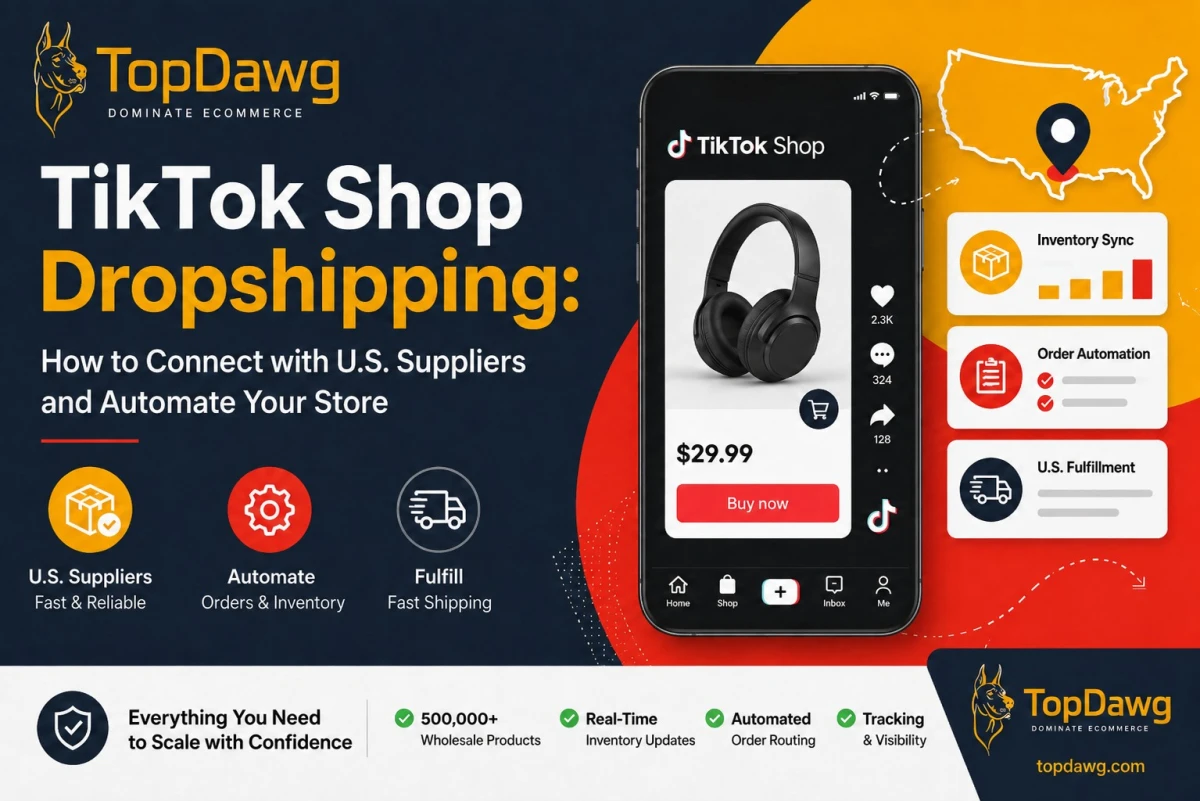
TikTok Shop Dropshipping: How to Connect with U.S. Suppliers and Automate Your Store
A Complete Guide to U.S. Suppliers, Product Sourcing, Inventory Sync, Order Automation, and Domestic Fulfillment for TikTok Shop Sellers TikTok has transformed product discovery by bringing entertainment, creators, recommendations, and ecommerce together in one highly engaging environment. For online retailers, TikTok Shop dropshipping creates an opportunity to turn product discovery into sales without necessarily purchasing large quantities of inventory upfront. But getting attention on TikTok is only part of the equation. Once an order comes in, the retailer still needs accurate inventory, dependable suppliers, fast order processing, reliable fulfillment, tracking information, and a customer experience capable of keeping pace with social commerce. That is where U.S.-based dropshipping suppliers and ecommerce automation can make an important difference. Rather than depending on manual spreadsheets, disconnected suppliers, or lengthy international delivery windows, retailers can build a more scalable TikTok Shop operation by connecting their sales channel to a platform designed around domestic product sourcing, inventory synchronization, order management, and supplier fulfillment. For retailers ready to connect their store directly, the TopDawg TikTok Shop dropshipping integration provides access to verified U.S.-based suppliers, automated workflows, and hundreds of thousands of wholesale products for social commerce sellers. This guide explains how the model works, what to look for in TikTok Shop dropshipping suppliers, why automation matters, and how to build a more reliable foundation for long-term growth. 🚀 TikTok Shop Dropshipping: The Quick Answer TikTok Shop dropshipping is an ecommerce model in which a retailer sells eligible products through TikTok Shop without stocking the merchandise in its own warehouse. When a customer purchases a product, the order is fulfilled by a supplier that ships directly to the customer. A modern TikTok Shop dropshipping workflow can include: ✅ Product sourcing from established suppliers✅ Product and SKU synchronization✅ Inventory updates✅ Order routing✅ Supplier fulfillment✅ Shipment tracking✅ Pricing and product-data management✅ Multi-channel ecommerce management The strongest model combines the reach of TikToks social-commerce ecosystem with reliable suppliers, domestic fulfillment, accurate inventory data, and automation. This matters because generating a sale is only the beginning. A TikTok Shop retailer must still deliver the product accurately, on time, and in accordance with applicable marketplace requirements. 📱 What Is TikTok Shop Dropshipping? TikTok Shop dropshipping combines two ecommerce concepts: social commerce and supplier-direct fulfillment. With traditional ecommerce, customers generally search for a product or visit an online store because they already have purchasing intent. TikTok can create that intent through discovery. A shopper may encounter a product through: ✅ A short-form video✅ Creator-generated content✅ A product demonstration✅ A recommendation✅ A promotional campaign✅ A LIVE shopping experience✅ TikTok Shop product discovery That creates a particularly interesting environment for product-focused retailers. With dropshipping, the retailer does not have to purchase every product in advance and store it in its own warehouse. Instead, an approved supplier maintains the inventory and fulfills an order after it is purchased from the retailer. If you are new to the model itself, TopDawgs guide to how dropshipping orders actually work provides a deeper explanation of what happens between checkout, supplier processing, shipment, tracking, and delivery. 🔄 A Simplified TikTok Shop Dropshipping Workflow A typical automated workflow looks like this: Product sourced from supplier → product listed on TikTok Shop → customer places order → order information enters fulfillment workflow → supplier processes order → product ships to customer → tracking is returned to the retailer/channel The retailer remains responsible for operating its TikTok Shop, marketing products appropriately, supporting customers, and meeting applicable marketplace requirements. The supplier handles the physical inventory and shipment. The technology connecting those two sides is what can turn dropshipping from a highly manual process into a scalable ecommerce operation. 🇺🇸 Why U.S.-Based Suppliers Matter for TikTok Shop Dropshipping TikTok is built around speed. A product can gain attention quickly, and a successful piece of content can generate demand far faster than a retailer anticipated. That makes the fulfillment side of the business especially important. Choosing U.S.-based dropshipping suppliers can help retailers selling to American consumers create a more predictable supply chain. 🚚 Faster Domestic Fulfillment One of the biggest disadvantages associated with traditional overseas dropshipping is the distance between the supplier and the customer.Long international delivery windows can create problems for retailers because the customer generally associates the entire buying experience with the store—not with an unknown supplier behind the scenes.Domestic suppliers can reduce the distance between inventory and U.S. customers. Potential advantages include: ✅ Shorter shipping distances✅ Fewer international transportation variables✅ No customer-facing customs delays for products already stored domestically✅ More predictable carrier networks✅ Easier shipment tracking✅ Simpler domestic returns in many cases TopDawgs U.S. Dropshipping Advantage explains why domestic sourcing and fulfillment have become increasingly important for online retailers. 📦 Better Alignment with Customer Expectations Social commerce can create excitement quickly. That excitement can disappear just as quickly if the customer waits weeks for an order, receives confusing tracking information, or has difficulty understanding where the product is coming from. A seller therefore needs to think beyond the initial conversion. The full customer journey includes: Discovery → Purchase → Order confirmation → Fulfillment → Tracking → Delivery → Product experience → Customer service → Repeat purchase Fast, dependable fulfillment strengthens the portion of the journey that happens after the video, promotion, or creator content has already done its job. 🔍 What Should You Look for in TikTok Shop Dropshipping Suppliers? Choosing a supplier based only on wholesale price is a common mistake. The lowest-cost product is not necessarily the most profitable product once shipping problems, cancellations, inaccurate inventory, customer service, refunds, and operational work are considered. For TikTok Shop, sellers should evaluate the entire supplier and technology relationship. ✅ 1. Reliable U.S. Inventory Confirm where the merchandise is physically stored and fulfilled. A company may describe itself as serving U.S. sellers while sourcing or shipping certain products internationally. If domestic fulfillment is a priority, retailers should understand where products actually originate. For a broader look at supplier selection, see TopDawgs complete guide to U.S. dropshipping suppliers. ✅ 2. Inventory Synchronization Imagine promoting a product in a video that gains traction only to discover that the supplier sold out hours earlier. That can lead to: ✅ Canceled orders✅ Refunds✅ Customer complaints✅ Wasted marketing spend✅ Operational headaches Inventory synchronization helps keep the quantity available to sell aligned with supplier inventory. For a channel such as TikTok Shop, where product demand can sometimes accelerate quickly, inventory accuracy becomes especially valuable. ✅ 3. Automated Order Processing A dropshipping business may be easy to operate manually when it receives two orders per day. At 20, 100, or several hundred orders, the same process can become completely different. Manually copying names, addresses, SKUs, product variants, and order details increases both workload and the possibility of mistakes. Automation helps move order information through the fulfillment process with fewer repetitive manual steps. ✅ 4. Accurate Product Information Strong product data can include: ✅ Product titles✅ Descriptions✅ SKU information✅ Product images✅ Wholesale pricing✅ Inventory availability✅ Product attributes and variations Retailers should still review and customize listings as necessary for their brand and TikTok Shop requirements, but dependable source data creates a much stronger starting point. ✅ 5. Tracking Visibility Customers increasingly expect to know when an order has shipped and when they can expect it to arrive. A good dropshipping workflow should therefore include a dependable process for receiving shipment and tracking information after fulfillment. ✅ 6. Product Selection TikTok product discovery can be trend-driven. A limited supplier catalog restricts the sellers ability to test categories, react to seasonal opportunities, or expand into new product niches. Retailers researching potential products can browse TopDawgs dropshipping product catalog to explore merchandise across multiple consumer categories. ⚙️ Why Automation Matters for TikTok Shop Sellers The real purpose of ecommerce automation is not simply to make a business look technologically sophisticated. It is to remove repetitive operational work and reduce opportunities for human error. Think about what happens when a retailer must manually manage every part of the process. For each product, someone may need to check inventory, update quantities, verify prices, monitor orders, send fulfillment details to a supplier, retrieve tracking information, and update the sales channel. That approach may work temporarily. It does not scale gracefully. 🔄 Inventory Automation Inventory automation helps keep product availability aligned with supplier stock. Without it, retailers can accidentally continue selling a product after inventory has been depleted. That risk becomes more important when the same product is receiving increased visibility or demand. 📥 Order Automation Order automation moves customer purchases into the fulfillment workflow without requiring the retailer to manually recreate every transaction. The objective is simple: Sell the product once. Avoid entering the same order repeatedly into disconnected systems. 📦 Fulfillment Automation Once the order enters the dropshipping platform, the supplier can process and ship the merchandise. The retailer can then focus more attention on the activities that only the retailer can perform well: ✅ Content creation✅ Product merchandising✅ Customer acquisition✅ Pricing strategy✅ Creator relationships✅ Customer service✅ Brand development 📍 Tracking Automation After fulfillment, shipment and tracking information can flow back through the connected workflow where supported. That reduces another layer of manual administrative work and helps the retailer maintain visibility into customer orders. Want the technology and supplier network working together?See how TopDawg connects TikTok Shop with U.S. suppliers. 🛍️ How to Start TikTok Shop Dropshipping with U.S. Suppliers A successful launch is not about uploading as many products as possible on day one. It is about building a dependable system. 🧩 Step 1: Establish Your TikTok Shop Before selecting products, retailers need an eligible TikTok Shop seller account and should review the marketplace requirements applicable to their business and product categories. Marketplace policies can change, so sellers should use current TikTok Shop Seller Center and policy resources when making compliance decisions. Do not treat compliance as something to think about after a product begins selling. Make it part of product selection from the beginning. 🇺🇸 Step 2: Choose a Reliable Dropshipping Supplier Platform Next, evaluate your supplier infrastructure. Ask: ✅ Are suppliers based in the United States?✅ Where is the merchandise shipped from?✅ Is inventory data updated automatically?✅ Can orders move into fulfillment efficiently?✅ Is tracking supported?✅ Is there enough product variety to test different niches?✅ Can the platform support additional ecommerce channels later? Supplier selection is an operational decision, not merely a sourcing decision. 🔗 Step 3: Connect Your TikTok Shop Once the seller account and supplier platform are ready, connect the two systems using the available TikTok Shop integration. TopDawg currently supports TikTok Shop as part of its broader multi-channel retailer ecosystem alongside other ecommerce and marketplace integrations. The objective is to create a connected flow between products, inventory, orders, suppliers, and fulfillment. 🛒 Step 4: Choose Products Strategically TikTok sellers should resist the temptation to treat every product equally. A product that is appropriate for a search-driven marketplace may not necessarily be ideal for visual social commerce. Consider products that can be clearly demonstrated, explained, compared, styled, used, or shown solving a recognizable problem. Questions to consider include: ✅ Can someone understand the product quickly?✅ Does it have a visual benefit or use case?✅ Can it inspire engaging video content?✅ Is the selling price appropriate for the target customer?✅ Is there enough margin after product costs and marketplace expenses?✅ Is the product supplied reliably?✅ Can it be delivered within a competitive timeframe?✅ Is the product permitted under applicable TikTok Shop policies? Do not chase virality at the expense of fulfillment fundamentals. A product is only a successful product if the operation can support the sales it generates. 🎯 Building a TikTok Shop Product Strategy That Can Scale TikTok Shop gives retailers the ability to combine merchandising with content. That means product selection and marketing should work together. 🎥 Look for Products That Create Content Opportunities Some products naturally lend themselves to content. Examples include items that can support: ✅ Product demonstrations✅ Before-and-after scenarios✅ How-to videos✅ Unboxing content✅ Problem-and-solution videos✅ Comparison content✅ Seasonal content✅ Lifestyle content✅ Creator demonstrations The important distinction is that TikTok Shop is not merely another place to upload a product feed. It is a commerce environment connected closely to content discovery. 📊 Test Before You Scale A large catalog is valuable because it provides optionality—not because every SKU needs to be promoted simultaneously. Start with products that fit your audience and test them. Measure: ✅ Views✅ Engagement✅ Product-page activity✅ Conversion✅ Cancellations✅ Returns✅ Customer questions✅ Product margin✅ Fulfillment consistency Then allocate more attention toward products that show both marketing potential and operational reliability. 📈 What Happens If a TikTok Product Goes Viral? This is one of the most important reasons to automate. Suppose a retailer normally sells five units of a product per day. A creator posts a compelling demonstration. The video gains traction, gets shared, and begins sending significantly more buyers to the listing. Suddenly, the store is processing multiples of its normal volume. That is great—provided the backend can handle it. ⚠️ Without Automation The seller may need to: ❌ Manually confirm inventory❌ Copy individual orders❌ Send fulfillment information manually❌ Check supplier availability repeatedly❌ Retrieve tracking numbers❌ Update customers❌ Correct errors created during rushed processing Growth begins creating administrative friction. ✅ With an Integrated Workflow A connected system can help: ✅ Keep inventory information updated✅ Move orders into the fulfillment workflow✅ Route orders to suppliers✅ Support shipment tracking✅ Reduce repetitive data entry✅ Give the retailer more time to capitalize on the marketing opportunity That is why automation becomes increasingly valuable as order volume grows. Retailers preparing for higher order volume should also review how to scale a dropshipping business without burning out. 🧠 TikTok Shop Dropshipping Is More Than Product Sourcing The phrase "dropshipping supplier" can make it sound as though success depends almost entirely on finding products. It does not. A scalable operation has several interconnected layers: Demand generation + product sourcing + inventory accuracy + marketplace compliance + pricing + order processing + fulfillment + tracking + customer service Weakness in any one of these layers can limit growth. For example: A great video cannot fix an out-of-stock product.A low wholesale price cannot fix unreliable fulfillment.Fast shipping cannot fix a prohibited or inaccurate listing.Automation cannot fix poor product economics.A large catalog cannot fix weak content. The goal should therefore be to build a complete commerce system—not simply find a supplier directory. 🌐 Why Multi-Channel Selling Matters TikTok Shop can be an important sales channel, but retailers should think about their business beyond a single platform. Consumer attention changes.Algorithms change.Advertising costs change.Marketplace policies change.Individual products gain and lose popularity. A multi-channel ecommerce strategy gives a retailer additional ways to reach customers. Depending on the business, that could include selling through TikTok Shop alongside Shopify, Amazon, Walmart, eBay, WooCommerce, BigCommerce, or other supported channels. TopDawgs retailer sales channels and integrations provide an overview of ways retailers can connect different ecommerce destinations to their dropshipping operation. 🔄 One Supplier Ecosystem, Multiple Opportunities The strategic advantage is not simply "being everywhere." The real opportunity is creating a supplier and fulfillment infrastructure that can support expansion without rebuilding the business from scratch every time a new sales channel is added. When a retailer finds a successful product on TikTok Shop, that product may also have opportunities elsewhere. Likewise, an established online retailer can use TikTok Shop as an additional discovery and customer-acquisition channel. That makes TikTok part of a broader ecommerce strategy rather than an isolated experiment. 🛡️ TikTok Shop Dropshipping and Marketplace Compliance Dropshipping does not eliminate the retailers responsibilities. TikTok Shop sellers are responsible for operating according to applicable marketplace policies, including requirements related to products, listings, fulfillment, intellectual property, customer experience, returns, and other seller obligations. TikTok Shop policies and seller requirements can change over time, so merchants should verify current rules directly through TikTok Shop Seller Center before listing products or changing fulfillment practices. 📝 Product Compliance Before listing an item, confirm that it is allowed for sale and that any category-specific requirements have been satisfied. Do not assume that because a supplier carries an item, every marketplace automatically permits it. ©️ Intellectual Property Retailers should respect trademarks, copyrights, brand restrictions, product imagery rights, and other intellectual-property requirements. A supplier relationship does not provide blanket permission to make unsupported brand claims. 🚚 Fulfillment Performance The retailer remains accountable for the customer experience associated with the transaction. That makes dependable suppliers, accurate inventory, fast processing, and tracking essential parts of marketplace operations—not optional conveniences. 🔍 Accurate Listings Product titles, images, descriptions, variations, pricing, and availability should accurately represent the item being sold. Automation should improve data accuracy, not eliminate retailer oversight. Key takeaway: Automation can help execute compliant workflows more efficiently, but it does not replace the sellers responsibility to understand and follow TikTok Shop policies. 💰 Calculating Whether a TikTok Shop Product Is Actually Profitable A viral product is not necessarily a profitable product. Retailers need to calculate their economics before scaling advertising or creator campaigns. Consider: Selling Price– Wholesale Product Cost– Shipping Cost– Marketplace Fees– Creator/Affiliate Costs– Advertising Cost– Returns and Refunds– Other Operating Costs= Estimated Profit A product with a higher wholesale price may occasionally produce better economics if it offers better quality, higher perceived value, lower return rates, or more reliable fulfillment. Likewise, a cheap product can become expensive if customer complaints and operational problems consume the margin. TopDawg provides multiple retailer membership levels, so sellers can compare available features and costs on the TopDawg dropshipping membership pricing page. 📦 The Role of Product Variety in TikTok Shop Growth TikTok trends move quickly. Retailers benefit from being able to explore different product categories without placing large advance inventory orders for every test. With dropshipping, sellers can potentially evaluate more products while reducing the capital required to maintain their own warehouse inventory. That does not mean uploading thousands of random products and hoping something sells. Instead, catalog depth can support a systematic testing strategy: 🧪 Stage 1: Research Identify products with a clear use case, target audience, competitive selling price, and content opportunity. 🎬 Stage 2: Create Develop videos and other content that demonstrate the product naturally. 📊 Stage 3: Measure Evaluate engagement, conversion, profitability, fulfillment, and customer response. 🚀 Stage 4: Scale Increase content and marketing investment around products demonstrating sustainable performance. 🔁 Stage 5: Expand Introduce complementary products and build collections around successful customer segments. This turns product variety into a strategic advantage instead of catalog clutter. 🐾 How TopDawg Supports TikTok Shop Dropshipping TopDawg is a U.S.-based dropshipping platform connecting retailers with verified domestic suppliers and wholesale products that can be sold across supported ecommerce channels. For TikTok Shop retailers, TopDawg combines product sourcing with the operational infrastructure required to manage a growing dropshipping business. The TopDawg TikTok Shop integration currently supports connected product, inventory, order, and supplier-fulfillment workflows, while the platforms catalog includes more than 500,000 products from U.S.-based suppliers. 🇺🇸 Verified U.S.-Based Suppliers Retailers can source products from a supplier network built around U.S.-based fulfillment rather than depending primarily on lengthy international shipping routes. 🛍️ Large Wholesale Product Selection Hundreds of thousands of products across multiple categories give sellers flexibility to research, test, and expand their TikTok Shop assortments. ⚙️ Automated Ecommerce Workflows Automation helps retailers reduce repetitive work associated with managing product data, inventory, orders, fulfillment, and shipment information. 🌐 Multi-Channel Growth Retailers can expand beyond TikTok Shop and build a broader ecommerce strategy using other supported marketplaces and store platforms. 📈 Infrastructure for Growth The goal is not merely to get a product onto TikTok Shop. It is to create an operation capable of supporting that product when sales begin arriving. Turn TikTok product discovery into a connected U.S. fulfillment workflow. Explore the TopDawg TikTok Shop integration and start building your product strategy today. 🏆 TikTok Shop Dropshipping Success Comes Down to the Backend It is easy to focus on the visible side of TikTok commerce. Videos.Creators.Views.Engagement.Trending products. Those things matter enormously—but they are only the front end of the business. Behind every successful order is an operational chain: Supplier → Inventory → Product Data → Store → Customer Order → Fulfillment → Carrier → Tracking → Delivery → Customer Experience The stronger that chain becomes, the more confidently a retailer can invest in the marketing side of the business. The best TikTok Shop dropshipping strategy therefore combines two engines: 🎥 The Growth Engine ✅ Compelling products✅ Engaging content✅ Creators and affiliates✅ Audience understanding✅ Offers and merchandising✅ Customer acquisition ⚙️ The Operations Engine ✅ Dependable suppliers✅ Accurate inventory✅ Connected technology✅ Automated order workflows✅ Reliable fulfillment✅ Tracking✅ Customer support✅ Marketplace compliance Build both, and TikTok Shop becomes more than another place to list products. It becomes part of a scalable ecommerce business. 🎯 Conclusion: Build a TikTok Shop Business That Can Handle Growth TikTok Shop has created a powerful connection between product discovery, content, creators, and ecommerce. For dropshipping retailers, the opportunity is not simply access to another sales channel. The bigger opportunity is to combine social-commerce demand with a scalable ecommerce infrastructure. ✅That means choosing products strategically.✅Working with reliable suppliers.✅Keeping inventory accurate.✅Automating repetitive processes.✅Fulfilling orders efficiently.✅Monitoring customer experience.✅Following marketplace requirements.✅And creating a backend capable of keeping up when the marketing works. For retailers serving U.S. consumers, domestic dropshipping suppliers can strengthen that foundation by moving inventory closer to the customer and reducing many of the complications associated with long international fulfillment routes. Pair that supplier network with automation, and TikTok Shop dropshipping becomes significantly easier to operate at scale. 🔥 Ready to connect your TikTok Shop to verified U.S. suppliers? TopDawg brings together U.S.-based product sourcing, wholesale products, inventory management, automated order workflows, fulfillment support, and multi-channel ecommerce technology in one platform. Start with the products. Create the content. Automate the backend. Build for growth. 👉 Connect your TikTok Shop with TopDawg and turn social-commerce opportunities into a scalable U.S. dropshipping business. Related ArticlesBigCommerce Dropshipping Suppliers: How to Find Reliable U.S. Suppliers and Automate Your StoreHow Much Does It Cost to Start a Dropshipping Business in 2026?U.S. Dropshipping Suppliers: The Complete 2026 Guide to Building a Scalable eCommerce BusinessWhy U.S. Dropshipping Suppliers Are Winning in 2026 (USA Today Insights)WooCommerce Dropshipping Integration: Connect U.S. Suppliers & Automate Your StoreHow Dropshipping Orders Actually Work (From Checkout to Delivery)Dropshippers Explained: What Dropshippers Do, How They Make Money, and How to SucceedHow to Scale a Dropshipping Business Without Burning OutIntroducing TopDawg’s New Amazon Dropshipping App: Now Part of the Amazon Provider NetworkHow to Start a Dropshipping Business 🖋️ About the Author Darren DeFeo is the CEO of TopDawg, a U.S.-based dropshipping platform that helps thousands of retailers streamline eCommerce operations with verified American suppliers and automated fulfillment. With 20+ years in digital commerce and product innovation, Darren focuses on building sustainable growth systems that help entrepreneurs scale with confidence. When he’s not leading TopDawg, Darren is cultivating partnerships that keep retailers ahead of market shifts — especially in logistics, automation, and the evolving U.S. trade landscape. 🔗 Connect with Darren on LinkedIn
Read More
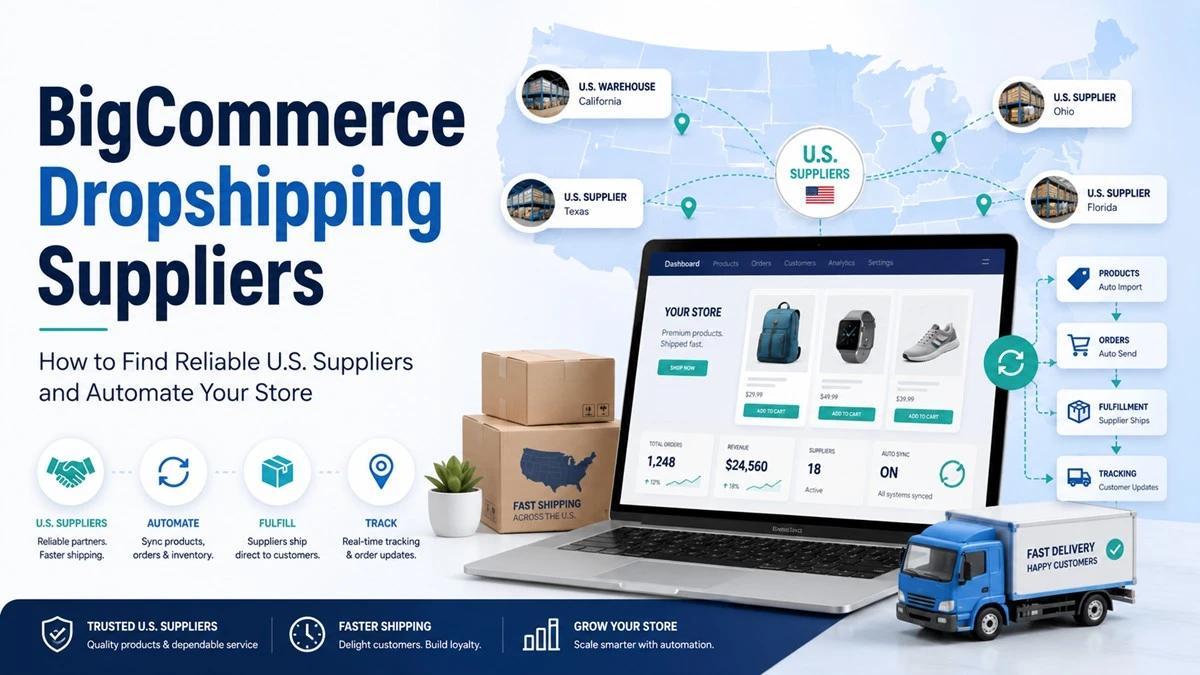
BigCommerce Dropshipping Suppliers: How to Find Reliable U.S. Suppliers and Automate Your Store
Why BigCommerce Retailers Need Reliable Dropshipping Suppliers BigCommerce is a powerful eCommerce platform for retailers who want to build, manage, and grow an online store. But even the best online store needs reliable products, accurate inventory, dependable fulfillment, and suppliers that can ship quickly. That is where the right BigCommerce dropshipping supplier strategy becomes essential. Dropshipping gives online retailers the ability to sell products without purchasing inventory upfront, storing products in a warehouse, or packing and shipping orders themselves. Instead, the retailer lists products online, the customer places an order, and the supplier ships the product directly to the customer. For BigCommerce store owners, this model can create a faster path to launching and scaling an online business. However, dropshipping success depends heavily on supplier quality. A retailer can have a beautiful BigCommerce store, strong branding, and effective advertising, but if products are delayed, inventory is inaccurate, or suppliers are inconsistent, the customer experience can suffer. That is why retailers searching for BigCommerce dropshipping suppliers should look beyond product count alone and focus on reliability, automation, U.S.-based fulfillment, inventory accuracy, product data quality, and platform compatibility. TopDawg helps BigCommerce retailers solve these challenges by connecting their store to a large network of U.S.-based dropshipping suppliers, wholesale products, inventory syncing, order automation, and fulfillment tools. Retailers can learn more about the dedicated BigCommerce dropshipping app and how it connects BigCommerce stores with U.S. dropshipping suppliers. 🧭 What Are BigCommerce Dropshipping Suppliers? BigCommerce dropshipping suppliers are wholesale suppliers, distributors, manufacturers, or supplier networks that allow BigCommerce retailers to sell products online without holding inventory. When a customer buys a product from the retailer’s BigCommerce store, the supplier fulfills the order and ships the product directly to the customer. In a traditional retail model, the merchant buys inventory upfront, stores it, and ships it after each sale. In a dropshipping model, the retailer focuses on product selection, store presentation, marketing, customer service, pricing, and brand growth, while the supplier handles product storage and shipping. 📦 How the BigCommerce Dropshipping Model Works A typical BigCommerce dropshipping workflow looks like this: ✅ The retailer connects with a dropshipping supplier or supplier platform.✅ The retailer adds supplier products to their BigCommerce store.✅ The retailer sets product pricing, descriptions, and merchandising strategy.✅ A customer places an order through the BigCommerce storefront.✅ The order is routed to the supplier or supplier platform for fulfillment.✅ The supplier ships the product directly to the customer.✅ Tracking information is shared so the retailer and customer can monitor delivery. For BigCommerce retailers, the most efficient version of this workflow uses automation. Manual product uploads, manual inventory checks, and manual order forwarding can become time-consuming and error-prone as the store grows. A connected supplier platform can help reduce those manual steps by syncing product data, inventory, orders, and tracking between systems. Retailers who are still learning the basics can also review TopDawg’s guide on how to start a dropshipping business for a broader foundation before connecting products to a BigCommerce store. 🇺🇸 Why U.S. Dropshipping Suppliers Matter for BigCommerce Stores Many dropshipping retailers begin by looking for the cheapest possible product source. But low product cost is only one part of the equation. Shipping speed, supplier reliability, product quality, tracking visibility, return handling, and customer satisfaction can have a major impact on long-term profitability.For BigCommerce retailers selling to U.S. customers, working with U.S.-based dropshipping suppliers can offer important advantages. ⚡ Faster Shipping and Better Customer Expectations U.S. customers are increasingly accustomed to fast shipping, clear delivery windows, and tracking updates. Long overseas shipping times can create support issues, refund requests, poor reviews, and lower repeat purchase rates. U.S.-based suppliers can help retailers offer a more competitive delivery experience by reducing transit times and improving fulfillment consistency. TopDawg’s supplier network focuses on products shipped from within the United States, helping retailers create a more dependable customer experience. This is especially important for BigCommerce stores that want to build a real brand rather than operate as a short-term product test site. 🧾 Better Product Data and Listing Quality Reliable suppliers provide better product information, including product titles, descriptions, images, specifications, pricing, shipping details, and inventory availability. Good product data helps BigCommerce retailers create stronger listings, improve conversion rates, reduce customer confusion, and support SEO performance. Poor product data creates the opposite effect. Incomplete descriptions, missing dimensions, vague titles, and low-quality images can make products harder to sell and harder to rank. Retailers should look for supplier platforms that make product data easier to import, customize, and manage. 🔄 Inventory Accuracy and Overselling Prevention One of the biggest risks in dropshipping is selling a product that is no longer available. If inventory is not updated frequently, retailers may accept orders they cannot fulfill. This leads to cancellations, refunds, customer frustration, and potential marketplace or platform issues. A supplier platform with inventory syncing can help reduce this risk. BigCommerce retailers should prioritize suppliers and apps that update product availability regularly and allow retailers to manage inventory more confidently. For more information on the benefits of domestic suppliers, retailers can also read TopDawg’s guide to U.S. dropshipping suppliers. Want faster shipping and fewer supplier headaches? Build your BigCommerce catalog with U.S.-based dropshipping suppliers through TopDawg. 🔍 How to Find Reliable BigCommerce Dropshipping Suppliers Finding reliable BigCommerce dropshipping suppliers requires more than typing “dropshipping suppliers” into a search engine. Retailers should evaluate suppliers carefully before adding products to their store. The right supplier can help support growth, while the wrong supplier can create fulfillment problems that damage the customer experience. ✅ Supplier Reliability Checklist Use this checklist when evaluating BigCommerce dropshipping suppliers: ✅ Do they support BigCommerce or integrate with BigCommerce directly?✅ Do they offer U.S.-based suppliers or domestic shipping options?✅ Do they provide accurate product data and high-quality images?✅ Do they update inventory regularly?✅ Do they support order automation or streamlined fulfillment?✅ Do they provide shipment tracking?✅ Do they offer products across multiple categories?✅ Do they have clear pricing, plan options, and support channels?✅ Do they help retailers avoid overselling out-of-stock products?✅ Do they provide tools that support long-term store growth? Retailers should also consider whether the supplier is built for serious eCommerce operations. A supplier that works for a small test store may not be enough for a growing BigCommerce business with hundreds or thousands of products. 🛒 Look for Product Variety Without Losing Focus A large catalog can help retailers test product categories, expand their store, and respond to seasonal demand. However, product variety should be paired with a thoughtful merchandising strategy. Retailers should avoid adding random products simply because they are available.Instead, choose products that fit the store’s audience, pricing strategy, brand positioning, and shipping expectations. Product categories such as pet supplies, home décor, fashion accessories, health and beauty, toys, sporting goods, and consumer products can all work well when matched with the right customer demand.Retailers can explore TopDawg’s wholesale dropshipping products to better understand the types of categories available for online stores. 🧠 Prioritize Supplier Fit Over Supplier Hype Not every supplier is right for every BigCommerce store. A supplier may have trendy products, but if fulfillment is slow or inventory data is unreliable, the retailer may face operational issues. Another supplier may offer lower pricing, but if product quality is inconsistent, customer satisfaction may decline. Reliable suppliers should help retailers answer these questions clearly:✅ What products can I sell?✅ Where do the products ship from?✅ How often is inventory updated?✅ How are orders processed?✅ How is tracking provided?✅ What happens if an item is out of stock?✅ What support is available when I need help? The best BigCommerce dropshipping supplier strategy is not just about finding products. It is about building a repeatable system for sourcing, listing, selling, fulfilling, and scaling. ⚙️ Why Automation Is Essential for BigCommerce Dropshipping Automation is one of the biggest differences between a small manual dropshipping operation and a scalable eCommerce business. When a retailer only has a few products, manual work may seem manageable. But as product count, customer orders, and marketing activity increase, manual workflows can quickly become inefficient. BigCommerce dropshipping automation helps retailers reduce repetitive tasks and improve operational accuracy. 🔗 Product Import Automation Product import automation allows retailers to add supplier products to their BigCommerce store without manually copying every title, description, image, SKU, price, and product detail. This saves time and helps retailers build a catalog faster. With the right integration, BigCommerce retailers can browse supplier products, select items, customize pricing, and add them to their store more efficiently. This gives retailers more time to focus on product strategy, merchandising, SEO, paid advertising, email marketing, and customer experience. Retailers comparing eCommerce platforms and supplier tools can also review TopDawg’s overview of dropshipping companies and platforms to understand how integrations support different sales channels. 📊 Inventory Syncing Inventory syncing helps keep product availability updated between the supplier platform and the BigCommerce store. This is especially important for dropshipping because the retailer does not physically control the inventory. Without inventory syncing, a retailer may unknowingly sell a product that is no longer available. This creates cancellations, customer service issues, and lost trust. With inventory syncing, the retailer can operate with more confidence and reduce the risk of overselling. 📦 Order Automation and Fulfillment Order automation helps move customer orders from BigCommerce to the supplier or supplier platform for processing. Instead of manually entering order details, the retailer can use connected workflows to streamline fulfillment. This matters because every manual step creates room for mistakes. Incorrect addresses, missed orders, delayed processing, and tracking gaps can all hurt the customer experience. Automated order workflows help retailers keep fulfillment moving and focus more time on growing the business. 🚚 Tracking Automation Tracking information is important for both retailers and customers. Customers want to know when their order has shipped and when it will arrive. Retailers need tracking visibility to answer support questions and monitor fulfillment performance. A strong BigCommerce dropshipping integration should help make tracking easier to manage. This can reduce customer service pressure and improve the post-purchase experience. Stop spending hours on manual product and order tasks. Use automation to connect your BigCommerce store with TopDawg’s U.S. supplier network. 🧩 How TopDawg Supports BigCommerce Dropshipping Automation TopDawg’s BigCommerce integration is designed to help retailers connect their BigCommerce store with a large network of U.S.-based dropshipping suppliers and wholesale products. Instead of manually sourcing products from multiple disconnected suppliers, retailers can use one platform to access products, manage inventory, process orders, and support fulfillment. 🛍️ Access to a Large U.S.-Based Product Catalog TopDawg gives retailers access to a large wholesale product catalog across multiple departments. This allows BigCommerce merchants to add products that fit their niche, test categories, and expand their store without buying inventory upfront. Product variety is valuable because it gives retailers flexibility. A BigCommerce store may begin with one category and later expand into related categories based on customer demand. A supplier platform with broad product access can support that growth more effectively than a single-product or single-category supplier. Retailers interested in U.S.-based supplier advantages can also review TopDawg’s Dropshippers in the USA resource. 🔄 Real-Time Product and Inventory Updates For BigCommerce retailers, accurate product and inventory data can make a major difference. TopDawg’s integration helps sync product information and inventory availability so retailers can better manage their store and reduce the risk of selling products that are unavailable. This is especially useful for stores with larger catalogs. The more products a retailer sells, the harder it becomes to manage inventory manually. Automation helps create a more scalable operating foundation. 📬 Streamlined Order Processing When a customer places an order in a BigCommerce store, the retailer needs an efficient way to process that order for fulfillment. TopDawg helps streamline order management so suppliers can ship products directly to customers. This creates a cleaner workflow for retailers. Instead of holding inventory, packing boxes, and managing shipping operations, BigCommerce merchants can focus on marketing, customer service, product selection, and revenue growth. 🏷️ Branded Growth Opportunities As retailers grow, branding becomes more important. Customers are more likely to return when they trust the store and recognize the brand experience. TopDawg supports branded packing slips for eligible membership plans, which can help retailers present a more professional post-purchase experience. Brand consistency matters because dropshipping should not feel disconnected or generic to the customer. A professional store experience includes strong product pages, clear shipping expectations, responsive customer service, and reliable fulfillment. Retailers can compare eligible plan options on TopDawg’s membership pricing page. 🏗️ Step-by-Step: How to Build a BigCommerce Dropshipping Store With Reliable Suppliers A successful BigCommerce dropshipping store is built in stages. Retailers should avoid rushing to add hundreds of products before they understand their audience, supplier workflow, pricing model, and fulfillment process. 🧱 Step 1: Choose a Clear Product Strategy Start by defining your store’s focus. A general store can work, but a focused store is often easier to brand, market, and optimize. Choose product categories that match a clear audience and have enough variety to support future growth. Examples include: ✅ Pet supplies for dog and cat owners✅ Home décor and furniture accessories✅ Kids, baby, and toy products✅ Health and beauty products✅ Fashion accessories✅ Sports and outdoor recreation products✅ Seasonal décor and party supplies A clear product strategy helps guide supplier selection, product titles, category structure, pricing, ads, and SEO content. 🧭 Step 2: Connect With a Supplier Platform That Supports BigCommerce Once you know what you want to sell, choose a supplier solution that can connect with your BigCommerce store. A direct integration is important because it helps reduce manual work and supports a more scalable workflow. The ideal supplier platform should support: ✅ Product importing✅ Inventory syncing✅ Order automation✅ Shipment tracking✅ U.S.-based fulfillment options✅ Wholesale pricing✅ Multiple product categories✅ Retailer support TopDawg’s dedicated BigCommerce dropshipping app is built to help retailers connect BigCommerce stores with U.S. suppliers and automation tools. 🛒 Step 3: Import Products and Customize Listings After connecting your supplier platform, begin importing products into your BigCommerce store. Avoid publishing every product exactly as-is. Customize product titles, descriptions, categories, images, pricing, and merchandising details where appropriate. Strong product listings should include: ✅ Clear product titles✅ Helpful descriptions✅ Accurate specifications✅ High-quality images✅ Shipping expectations✅ Strong category organization✅ SEO-friendly wording✅ Customer-focused benefits Better product pages can help improve conversion rates and organic visibility. They also help customers understand what they are buying before they place an order. 💰 Step 4: Set Smart Pricing and Margins Pricing is one of the most important parts of dropshipping. Retailers need to account for product cost, shipping cost, platform fees, marketing cost, refunds, returns, customer service, and profit margin. A low price may attract attention, but it can also reduce profitability. A higher price may work if the product has strong perceived value, good presentation, and reliable delivery. Retailers should test pricing carefully and avoid competing only on being the cheapest option. 📣 Step 5: Market Your Store Supplier automation helps operations, but marketing drives traffic. BigCommerce retailers should build a marketing strategy that includes organic search, paid ads, email marketing, social media, product content, and customer retention. Strong marketing starts with understanding what customers are searching for. Product pages, category pages, blog content, and FAQs can all support SEO when they are written around real buyer questions and search intent. Retailers looking for broader business-building guidance can review TopDawg’s article on how to create a dropshipping store. 📈 Step 6: Monitor Performance and Improve Once products are live, track performance. Look at traffic, conversion rates, best-selling products, abandoned carts, return requests, fulfillment issues, and customer questions. These signals can help you improve your catalog and remove products that do not perform well. Dropshipping is not a “set it and forget it” business. The most successful retailers continuously improve product selection, pricing, descriptions, ads, and customer experience. Build smarter from day one. Connect your BigCommerce store to TopDawg and create a supplier workflow built for growth. 🧠 BigCommerce Dropshipping Supplier Mistakes to Avoid Choosing suppliers is one of the most important decisions a BigCommerce retailer can make. The wrong supplier setup can create problems that are difficult to fix later. 🚫 Mistake 1: Choosing Suppliers Based Only on Price Low wholesale prices may look attractive, but they do not guarantee profitability. If a supplier has slow shipping, poor product data, unreliable tracking, or inconsistent inventory, the retailer may lose money through refunds, complaints, and poor customer retention. Price matters, but reliability matters more. Retailers should evaluate total business impact, not just product cost. 🚫 Mistake 2: Ignoring Shipping Times Shipping speed directly affects customer satisfaction. If customers expect fast delivery but receive products weeks later, they may request refunds or leave negative reviews. U.S.-based supplier options can help BigCommerce retailers create a more predictable shipping experience. 🚫 Mistake 3: Adding Too Many Unrelated Products A large catalog can be powerful, but an unfocused catalog can confuse customers. Retailers should choose products that fit a clear store strategy. A focused catalog is easier to market, easier to organize, and easier for customers to trust. 🚫 Mistake 4: Managing Inventory Manually Manual inventory management becomes risky as a store grows. If product availability changes and the retailer does not update listings quickly, customers may buy items that cannot be fulfilled. Inventory syncing helps reduce this risk. 🚫 Mistake 5: Overlooking Platform Compliance Retailers are responsible for understanding the rules of the platforms and marketplaces where they sell. Product restrictions, MAP pricing, tax requirements, resale certificates, shipping expectations, return policies, and listing rules may all apply depending on the retailer’s business model and sales channels. BigCommerce retailers should review their obligations carefully and use supplier platforms that help provide accurate product information and operational clarity. Retailers can review TopDawg’s Retailer FAQ for additional platform guidance and common operational questions. 🏆 What Makes a Strong BigCommerce Dropshipping Supplier Platform? A strong BigCommerce dropshipping supplier platform should help retailers do more than find products. It should support the full operating cycle from product sourcing to customer delivery. 🔧 Core Features to Look For The best supplier platforms for BigCommerce retailers usually include: ✅ BigCommerce compatibility or direct integration✅ Product import tools✅ U.S.-based supplier access✅ Wholesale product pricing✅ Inventory updates✅ Order processing support✅ Tracking visibility✅ Product category variety✅ Retailer support✅ Scalable membership or plan options✅ Clear supplier and fulfillment workflows These features help retailers build a more dependable business foundation. Without them, a store may become too manual, too fragmented, or too difficult to manage as order volume grows. 📌 Why One Connected Platform Can Be Better Than Many Disconnected Suppliers Some retailers try to manage many suppliers individually. While this can work for advanced operators, it can also create complexity. Each supplier may have different product data formats, shipping policies, order processes, inventory update schedules, and communication methods. A connected supplier platform can simplify operations by giving retailers one central place to access products, manage data, and streamline fulfillment. This can be especially helpful for BigCommerce retailers who want to grow without building a complex supplier management system from scratch. 🤖 How to Optimize a BigCommerce Dropshipping Store for SEO and AI Search Search engine optimization is no longer just about ranking a page in traditional search results. Retailers also need to consider AI Overviews, conversational search, voice-style questions, and answer engines. This is often called GEO, or generative engine optimization. For BigCommerce dropshipping stores, that means product pages, category pages, blog articles, FAQs, and landing pages should be written clearly enough for both people and AI systems to understand. 🔎 Use Clear, Answer-First Content AI search tools often look for concise, complete answers to specific questions. BigCommerce retailers should structure content around natural questions customers and business owners ask, such as: ✅ What are the best dropshipping suppliers for BigCommerce?✅ How do I connect suppliers to BigCommerce?✅ Can I automate product imports in BigCommerce?✅ How does inventory syncing work for dropshipping?✅ Are U.S. dropshipping suppliers better for shipping speed?✅ How do BigCommerce dropshipping orders get fulfilled? Answer these questions clearly and directly before adding deeper explanation. This improves the chances that content can be extracted for AI Overviews or featured snippets. 🧱 Build Topic Clusters A single page rarely wins every search. Instead, retailers and platforms should build related content around a central topic. For TopDawg, the BigCommerce landing page should serve as the primary conversion page, while supporting blog content should answer informational questions and send relevant internal links back to the landing page. A smart topic cluster may include: ✅ BigCommerce dropshipping suppliers✅ BigCommerce dropshipping app✅ How to dropship on BigCommerce✅ U.S. dropshipping suppliers for BigCommerce✅ BigCommerce product import automation✅ BigCommerce inventory sync✅ BigCommerce order fulfillment✅ Best dropshipping products for BigCommerce This article supports the main landing page by targeting informational and supplier-focused searches while linking users back to the BigCommerce dropshipping app page when they are ready to connect their store. 📝 Use Helpful FAQs FAQs help both users and search engines. They make the article easier to scan, answer long-tail queries, and create strong AI Overview extraction opportunities. Each FAQ should be self-contained, clear, and written in a way that answers the question directly. 🔗 Use Internal Links Strategically Internal links help search engines understand the relationship between pages. They also guide users from educational content to conversion pages. For this article, the most important internal link is the BigCommerce landing page, but supporting links to dropshipping basics, U.S. suppliers, wholesale products, pricing, and FAQs help build topical authority. ✅ Why TopDawg Is a Strong Option for BigCommerce Dropshipping Suppliers TopDawg is built for retailers who want access to wholesale products, U.S.-based dropshipping suppliers, automation, and platform integrations. For BigCommerce merchants, this can make it easier to build a store without buying inventory upfront or manually managing every product and order. TopDawg’s BigCommerce integration helps retailers connect their store, add products, sync inventory, and streamline fulfillment. This gives BigCommerce store owners a more efficient way to build a catalog and manage supplier operations. 🌟 Key Benefits for BigCommerce Retailers ✅ Access to a large catalog of wholesale dropshipping products✅ Products shipped from U.S.-based suppliers✅ Product import support for BigCommerce stores✅ Inventory updates throughout the day✅ Order syncing and fulfillment support✅ Carrier tracking for customer orders✅ Multiple product categories for store expansion✅ Retailer support for platform questions✅ Scalable tools for growing eCommerce businesses For retailers who want to sell online without managing warehouses, supplier contracts, and fulfillment manually, TopDawg offers a more organized way to connect products, suppliers, and automation within one platform. Start building your BigCommerce dropshipping catalog with TopDawg’s U.S. supplier network and automation tools today. 🏁 Conclusion: Build a Better BigCommerce Dropshipping Store With Reliable U.S. Suppliers BigCommerce gives retailers a powerful foundation for selling online, but supplier quality determines whether a dropshipping store can operate smoothly and grow with confidence. Reliable BigCommerce dropshipping suppliers should provide more than products. They should support accurate inventory, strong product data, dependable fulfillment, shipment tracking, and automation that reduces manual work. For retailers selling to U.S. customers, U.S.-based dropshipping suppliers can offer meaningful advantages. Faster domestic shipping, better tracking visibility, and more predictable fulfillment can help improve the customer experience and strengthen long-term brand trust. TopDawg helps BigCommerce retailers connect with U.S.-based suppliers, import wholesale products, sync inventory, streamline order processing, and build a more scalable dropshipping business. Instead of spending hours manually sourcing products and managing disconnected supplier workflows, retailers can use TopDawg’s BigCommerce integration to create a more efficient path from product discovery to customer delivery. 🔥 Ready to automate your BigCommerce dropshipping store? Visit the TopDawg BigCommerce dropshipping app page and start connecting your store with reliable U.S. dropshipping suppliers today. Sign up for free and explore the TopDawg platform to: • Access 500,000+ wholesale products• Connect with 3,000+ verified U.S. suppliers• Automate inventory syncing and order fulfillment• Sell across multiple marketplaces and store platforms 👉 Get started with TopDawg Related ArticlesHow Much Does It Cost to Start a Dropshipping Business in 2026?U.S. Dropshipping Suppliers: The Complete 2026 Guide to Building a Scalable eCommerce BusinessWhy U.S. Dropshipping Suppliers Are Winning in 2026 (USA Today Insights)WooCommerce Dropshipping Integration: Connect U.S. Suppliers & Automate Your StoreHow Dropshipping Orders Actually Work (From Checkout to Delivery)Dropshippers Explained: What Dropshippers Do, How They Make Money, and How to SucceedHow to Scale a Dropshipping Business Without Burning OutIntroducing TopDawg’s New Amazon Dropshipping App: Now Part of the Amazon Provider NetworkDropshipping Explained: How It Works, Benefits, and Common MythsHow to Start a Dropshipping Business 🖋️ About the Author Darren DeFeo is the CEO of TopDawg, a U.S.-based dropshipping platform that helps thousands of retailers streamline eCommerce operations with verified American suppliers and automated fulfillment. With 20+ years in digital commerce and product innovation, Darren focuses on building sustainable growth systems that help entrepreneurs scale with confidence. When he’s not leading TopDawg, Darren is cultivating partnerships that keep retailers ahead of market shifts — especially in logistics, automation, and the evolving U.S. trade landscape. 🔗 Connect with Darren on LinkedIn
Read More
How Much Does It Cost to Start a Dropshipping Business in 2026?
A Realistic Breakdown of Startup Costs, Supplier Access, Tools, Marketing, and Hidden Expenses for Launching a Dropshipping Business in 2026 Starting a dropshipping business in 2026 is still one of the most accessible ways to launch an online store without buying inventory upfront. Unlike traditional retail, dropshipping allows you to sell products online while a supplier stores, packs, and ships the products directly to your customers. This makes the business model attractive for beginners, side hustlers, existing retailers, marketplace sellers, and entrepreneurs who want to test products before making larger investments. But while dropshipping has lower startup costs than a traditional ecommerce business, it is not completely free. You still need to budget for your online store, business setup, supplier access, product sourcing, branding, apps, automation tools, marketing, compliance, and customer support. The exact amount depends on your goals, sales channels, platform choice, product category, and how aggressively you want to launch. For most beginners, a realistic startup budget for a dropshipping business in 2026 is between $500 and $2,000. Some sellers may start lean with less, especially if they use free trials and organic marketing. Others may invest more if they want a professionally branded store, paid advertising, advanced automation, premium tools, or multiple marketplace integrations from the beginning. This guide breaks down the real costs of starting a dropshipping business in 2026 so you can plan your budget wisely, avoid common mistakes, and launch with more confidence. 💰 Quick Answer: How Much Does It Cost to Start Dropshipping in 2026? The typical cost to start a dropshipping business in 2026 ranges from $500 to $2,000 for most beginners. This budget usually covers basic business setup, an ecommerce platform, domain name, branding, product research, supplier access, automation tools, and an initial marketing budget. A lean launch may cost closer to $300–$700 if you build the store yourself, use free or low-cost tools, and rely mostly on organic marketing. A more complete launch may cost $1,000–$2,000 or more if you invest in paid ads, premium apps, professional branding, marketplace integrations, and stronger automation from the start. The biggest cost difference usually comes down to marketing. You can build a basic store without spending much, but getting traffic, testing products, and generating sales often requires either time, money, or both. Here is the simple beginner breakdown: ✅ Basic store setup: $50–$300✅ Domain name: $10–$25 per year✅ Business registration: $0–$500+, depending on location✅ Supplier or platform access: $0–$200+ per month✅ Apps and automation tools: $0–$150+ per month✅ Branding and design: $0–$500+✅ Initial marketing budget: $250–$1,500+✅ Compliance, taxes, and professional help: varies by state, country, and business structure If you are new to the business model and want the full launch roadmap, read TopDawg’s complete guide on how to start a dropshipping business. This article focuses specifically on the cost side of planning your launch. 🧾 Why Dropshipping Costs Less Than Traditional Ecommerce Dropshipping is less expensive than traditional ecommerce because dropshipping allows you to sell products without handling inventory or shipping. In a traditional retail model, a business owner often has to buy products in bulk, rent storage space, manage packaging, hire fulfillment help, and absorb the risk of unsold inventory. Those costs can quickly climb into thousands or tens of thousands of dollars. With dropshipping, your upfront investment is usually much lower because suppliers handle inventory storage and fulfillment. You focus on building your online storefront, selecting products, marketing your business, managing customer relationships, and processing orders. That does not mean dropshipping is effortless or risk-free. It simply means your startup capital goes toward different areas. Instead of buying inventory, your budget usually goes toward: ✅ Building your ecommerce store✅ Connecting with suppliers✅ Creating a brand identity✅ Setting product pricing✅ Testing marketing channels✅ Automating order and inventory workflows✅ Improving customer experience✅ Staying compliant with marketplace, tax, and business rules The smartest beginners do not treat dropshipping as a “free business.” They treat it as a lean ecommerce business that still needs planning, discipline, and a realistic launch budget. 🛒 Main Startup Costs for a Dropshipping Business in 2026 Your total startup cost depends on how you structure the business. A Shopify seller using a supplier platform and paid ads may have different costs than an eBay seller using marketplace listings, or a retailer selling through Amazon, Walmart, WooCommerce, or BigCommerce. Below are the major cost categories to plan for. 🏪 1. Ecommerce Platform Costs Your ecommerce platform is where customers browse products, place orders, and interact with your brand. Common options include Shopify, WooCommerce, BigCommerce, eBay, Amazon, Walmart Marketplace, and other ecommerce or marketplace platforms. For beginners, ecommerce platform costs may include: ✅ Monthly subscription fees✅ Transaction fees✅ Payment processing fees✅ Theme or design costs✅ App or plugin costs✅ Marketplace selling fees✅ Listing fees, depending on the platform A hosted ecommerce platform may charge a monthly fee, while WooCommerce may appear less expensive upfront but can require hosting, plugins, maintenance, and development support. Marketplaces may not require a standalone website, but they often charge referral fees, selling fees, or category-based commissions. A realistic beginner budget for ecommerce platform costs is usually $30–$150 per month, depending on the platform and features used. If you are launching your first dropshipping business, choose a platform based on your sales strategy, not just the lowest monthly price. A cheaper platform that requires too much manual work can cost you more in time, errors, and missed opportunities. 🌐 2. Domain Name and Website Basics If you are building your own ecommerce website, you will need a domain name. A domain is your store’s web address, such as yourbrand.com. Most domain names cost around $10–$25 per year, although premium domains can cost much more. You may also need email hosting, privacy protection, or basic website security depending on your setup. Website basics may include: ✅ Domain name✅ Branded email address✅ SSL certificate, if not included✅ Website hosting, if using WooCommerce or another self-hosted platform✅ Basic website theme✅ Store navigation and page setup A professional-looking domain and branded email help build trust. For example, support@yourstore.com looks more credible than a generic personal email address. For most beginners, the domain and basic website setup cost is relatively small, but it is still worth including in your launch budget. 🏢 3. Business Registration and Legal Setup Business registration costs vary by location and business structure, so new dropshipping retailers should review their state and local requirements before launching. Some beginners start as sole proprietors, while others form an LLC or corporation for liability protection and credibility. Possible setup costs include: ✅ Business registration or LLC filing fees✅ Registered agent fees✅ Local business licenses✅ Sales tax permits✅ Resale certificate requirements✅ Professional legal or tax advice In the United States, LLC filing fees vary by state. Some states are inexpensive, while others charge higher formation or annual fees. You may also need a resale certificate if you want to purchase products tax-exempt for resale, depending on your state and supplier requirements. This is one area where you should not guess. Business, tax, and resale rules vary by location, so it is smart to check your state requirements or speak with a qualified tax or legal professional. A beginner may spend $0–$500+ on business setup depending on the structure and state. If you are testing the idea first, your initial cost may be lower. If you want to operate more formally from day one, you may spend more upfront. 📦 4. Supplier Access and Product Sourcing Costs Your supplier relationship is one of the most important parts of your dropshipping business. Reliable suppliers help you offer quality products, accurate inventory, clear shipping options, and a better customer experience. Instead of buying inventory upfront, beginners can browse wholesale dropshipping products and test product categories before making larger business investments. Some supplier directories are free. Others charge monthly fees, product access fees, integration fees, or premium membership fees. The right choice depends on the level of automation, supplier quality, product selection, and platform integrations you need. Retailers should compare TopDawg membership plans to choose the level of product access, automation, and selling tools that best matches their launch budget. Supplier-related costs may include: ✅ Dropshipping platform membership✅ Product catalog access✅ Automation features✅ CSV download access✅ API access✅ Marketplace or ecommerce integrations✅ Product data access✅ Supplier vetting tools Choosing the cheapest supplier option is not always the best strategy. Poor supplier reliability can lead to slow shipping, canceled orders, bad reviews, refund requests, chargebacks, and customer service problems. A strong supplier platform can help reduce risk by giving you access to verified suppliers, product data, inventory updates, order routing, and fulfillment support. For U.S.-based sellers, working with verified U.S.-based dropshipping suppliers can also help improve shipping times and customer confidence. ⚙️ 5. Automation and App Costs Automation can save time and reduce mistakes as your store grows. In dropshipping, automation may help with product imports, inventory syncing, order routing, tracking updates, pricing rules, and marketplace listing management. Common automation and app costs include: ✅ Product import tools✅ Inventory sync tools✅ Order automation apps✅ Pricing automation tools✅ Email marketing apps✅ Review collection apps✅ Customer support tools✅ Analytics and reporting apps✅ Marketplace listing tools A beginner can often start with minimal apps and add more later. The mistake many new sellers make is installing too many apps before they have sales. This increases monthly expenses before the business has proven demand. A good starting budget for apps and automation is $0–$150 per month. If your supplier platform includes key automation features, you may be able to reduce the number of separate tools you need. Automation becomes more important when you sell across multiple channels or process higher order volume. Manual order handling may work for a few orders, but it becomes risky as sales increase. 🎨 6. Branding and Store Design Costs Branding helps your store look trustworthy and memorable. You do not need to spend thousands of dollars on branding when starting, but you should have a clean logo, consistent colors, professional product pages, clear policies, and a store design that builds confidence. Branding costs may include: ✅ Logo design✅ Store theme✅ Product page design✅ Homepage graphics✅ Brand colors and fonts✅ Product category images✅ Email templates✅ Social media graphics You can create basic branding yourself using low-cost design tools, or you can hire a freelancer for a more polished look. A beginner budget may range from $0–$500+, depending on how much professional help you use. The most important thing is not to overdesign before validating your products. Your store should look credible, load quickly, explain shipping clearly, and make checkout easy. A simple, trustworthy store is better than an expensive design with weak products and no traffic strategy. 📣 7. Marketing and Advertising Costs Marketing is often the biggest cost for new dropshipping businesses. Building a store is only the beginning. You also need people to visit the store, trust your brand, and buy your products. Common marketing costs include: ✅ Google Ads✅ Meta ads✅ TikTok ads✅ Pinterest ads✅ Influencer outreach✅ SEO content✅ Email marketing✅ Product photography or videos✅ Marketplace promotions✅ Retargeting campaigns A beginner can use organic marketing through SEO, social media, short-form video, and content creation. This lowers cash costs but requires more time and consistency. Paid ads can generate traffic faster, but they require testing. Not every ad campaign will be profitable immediately. You may need to test different products, audiences, creatives, offers, and landing pages before finding a winning combination. If you use paid ads, influencer content, product claims, discounts, or testimonials, make sure your campaigns follow online advertising rules that protect consumers. A realistic beginner marketing budget is usually $250–$1,500+ for initial testing. Starting with less is possible, but you should expect slower learning if you rely only on organic traffic. If you plan to use paid search, start with a realistic Google Ads budget and test small before scaling campaigns. The key is to avoid spending your entire budget before understanding your margins. You need to know your product cost, shipping cost, platform fees, advertising cost, and target profit before scaling any campaign. Ready to explore products before spending money on inventory?👉Create a free TopDawg account and start browsing wholesale products from verified U.S.-based suppliers. 📊 Sample Dropshipping Startup Budgets for 2026 To make planning easier, here are three sample startup budgets. These are general examples and will vary based on your platform, niche, supplier, and marketing strategy. 🟢 Lean Beginner Budget: $300–$700 This budget is for someone who wants to test dropshipping carefully without overspending. ✅ Domain name: $10–$25✅ Basic ecommerce platform: $30–$150✅ Simple logo and branding: $0–$100✅ Supplier/platform access: $0–$100✅ Basic apps: $0–$50✅ Business setup: $0–$200✅ Initial marketing: $200–$300 This type of budget works best if you are willing to do most tasks yourself. You may rely heavily on organic social media, SEO, marketplace listings, and small ad tests. The advantage is lower risk. The disadvantage is that growth may be slower. This approach is best for beginners who want to learn the business model before investing more heavily. 🔵 Standard Launch Budget: $800–$1,500 This budget gives you more room to build a credible store, test products, and invest in basic marketing. ✅ Domain and branded email: $25–$75✅ Ecommerce platform: $100–$300✅ Store theme or design tools: $50–$200✅ Supplier/platform access: $50–$200✅ Apps and automation: $50–$150✅ Business setup: $100–$500✅ Initial marketing: $400–$800 This is a strong starting range for many beginners because it balances cost control with enough room for product testing and traffic generation. You can build a professional store, connect with suppliers, test advertising, and begin collecting data. This budget is also more realistic if you want to sell through an ecommerce store and use some automation from the start. 🟣 Growth-Ready Budget: $2,000–$5,000+ This budget is for sellers who want to move faster, test more products, invest in branding, and use paid marketing more aggressively. ✅ Professional branding: $300–$1,000✅ Ecommerce platform and apps: $300–$800✅ Supplier/platform access: $100–$500✅ Business setup and professional help: $300–$1,000✅ Paid advertising tests: $1,000–$2,500+✅ Content creation: $300–$1,000+✅ Automation and integrations: $100–$500+ This budget does not guarantee success, but it gives you more room to test, optimize, and scale. It may be appropriate for experienced ecommerce sellers, retailers expanding into dropshipping, or entrepreneurs who already understand digital marketing. The risk is overspending before validating your niche. The best growth-ready sellers still test carefully and track every dollar. 🧮 Hidden Dropshipping Costs Beginners Often Miss Many beginners only think about the cost of the website and supplier access. But several hidden costs can affect profitability. 🚚 Shipping Costs and Delivery Expectations Shipping can make or break your dropshipping business. If shipping costs are too high or delivery times are too slow, customers may abandon carts or leave negative reviews. You need to understand:✅ Where products ship from✅ Estimated delivery times✅ Shipping carrier options✅ Domestic versus international shipping costs✅ Return shipping rules✅ Whether shipping costs are included or separate✅ How shipping costs affect your product pricing One of the benefits of using U.S.-based suppliers is that products can often reach U.S. customers faster than products shipped from overseas. Faster shipping may improve customer satisfaction and reduce support issues. Before selling any product, calculate the total landed cost. This means the product cost plus shipping, platform fees, payment processing fees, advertising costs, and expected profit margin. 🔁 Returns, Refunds, and Customer Service Returns and refunds are part of ecommerce. Even with great suppliers and accurate listings, some customers will want to return products or request refunds. Possible costs include: ✅ Return shipping✅ Replacement products✅ Refund processing✅ Customer service time✅ Chargeback fees✅ Lost advertising spend✅ Negative review management Clear policies help reduce confusion. Your store should explain shipping times, return conditions, refund rules, damaged item procedures, and how customers can contact support. Do not copy generic policies without understanding how your suppliers handle returns. Your customer-facing policy should align with your supplier’s actual return process. 💳 Payment Processing and Transaction Fees Every sale usually includes payment processing fees, which should be factored into your product pricing before you launch. You should account for payment processing when setting prices. A product may look profitable before fees but become much less attractive after payment processing, platform commissions, shipping costs, and ad spend. For example, if your product margin is too thin, even small fees can eliminate your profit. Beginners should avoid products with extremely low margins unless they have a clear strategy for volume, upsells, bundles, or repeat purchases. 🧾 Taxes, Resale Certificates, and Compliance Dropshipping businesses must take compliance seriously. Depending on your location and where you sell, you may need to understand sales tax, resale certificates, small business tax requirements, marketplace tax collection rules, and product compliance requirements. Dropshipping retailers should understand sales tax rules for online sellers, especially if they sell across multiple states or marketplaces. Compliance costs may include: ✅ Sales tax registration✅ Resale certificate setup✅ Business license fees✅ Tax software✅ Accounting tools✅ Professional tax advice✅ Product category compliance checks Certain product categories may have restrictions on marketplaces like Amazon, Walmart, eBay, or other platforms, and sellers should review applicable consumer product safety requirements before listing regulated products. Compliance is not the most exciting part of starting a business, but it protects you from bigger problems later. 📈 How to Calculate Your Dropshipping Profit Margin Before launching products, you need to know whether your pricing leaves enough room for profit. A simple formula is:Retail Price – Product Cost – Shipping Cost – Platform Fees – Payment Fees – Advertising Cost = Estimated Profit For example, if you sell a product for $49.99 and your total product and shipping cost is $28, you may appear to have $21.99 left. But after payment fees, marketplace fees, advertising costs, returns, and support time, your actual profit may be much lower. That is why beginner dropshippers should focus on products with enough margin to support marketing and operations. Look for products that offer: ✅ Healthy price-to-cost spread✅ Clear customer demand✅ Reasonable shipping costs✅ Low return risk✅ Strong product descriptions and images✅ Reliable supplier inventory✅ Potential for bundles or repeat purchases Do not choose products only because they are cheap. Cheap products often create low margins, high competition, and limited room for advertising. 🧠 Cost Mistakes New Dropshippers Should Avoid Starting lean is smart. Starting blindly is expensive. Here are common budgeting mistakes to avoid. Mistake 1: Spending Too Much on Store Design Too Early A beautiful store is helpful, but it does not guarantee sales. Many beginners overspend on logos, themes, custom pages, and design before validating demand. Your first goal is to create a clean, trustworthy store that can convert visitors. You can improve design later as sales data comes in. Mistake 2: Choosing Suppliers Based Only on Price Low product costs are attractive, but supplier reliability matters just as much. Slow shipping, poor product data, inconsistent inventory, and weak fulfillment can create expensive customer service issues. A slightly higher product cost may be worth it if the supplier provides better reliability, faster shipping, and more accurate fulfillment. Mistake 3: Ignoring Shipping Costs Shipping costs can destroy margins if you do not calculate them upfront. Always know the estimated shipping cost before setting your retail price. If a product ships from multiple locations or has variable shipping rates, make sure your pricing strategy accounts for that. Mistake 4: Running Ads Without Knowing Your Margins Paid ads can be powerful, but they can also drain your budget quickly. Before running ads, calculate your break-even point. Know how much you can afford to spend to acquire a customer while still making a profit. Mistake 5: Buying Too Many Tools Before You Have Sales Apps and software subscriptions add up quickly. Start with the tools you truly need, then add more as your business grows. A simple tech stack is often better for beginners than an expensive collection of tools that creates complexity. 🤖 Where Automation Can Save Money Automation may feel like an added cost, but it can save money by reducing manual work, errors, and order delays. Dropshipping automation can help with: ✅ Importing products to your store✅ Updating inventory levels✅ Syncing product data✅ Routing orders to suppliers✅ Sending tracking information✅ Managing marketplace listings✅ Reducing overselling risk✅ Saving time on repetitive tasks Manual work may seem free, but it can become expensive as order volume grows. Mistakes like selling out-of-stock products, entering wrong shipping addresses, missing order updates, or failing to send tracking can lead to refunds and unhappy customers. For beginners, the best approach is to use dropshipping automation tools where they protect the customer experience, especially for product syncing, inventory updates, and order routing. Build Smarter From The StartTopDawg helps retailers connect with U.S.-based suppliers, sync products, manage orders, and reduce manual work through ecommerce integrations and automation tools.👉Create a free TopDawg account and start your dropshipping business today. 💰 Why Supplier Location Matters for Your Budget Supplier location affects more than shipping speed. It can also affect customer satisfaction, return rates, support volume, marketplace performance, and repeat purchases. If products ship from overseas, customers may experience longer delivery times, limited tracking visibility, higher shipping uncertainty, and more frustration. If products ship from U.S.-based suppliers to U.S. customers, delivery may be faster and easier to explain. Supplier location can impact: ✅ Shipping speed✅ Shipping cost✅ Return process✅ Customer satisfaction✅ Marketplace performance✅ Product availability✅ Communication and support✅ Brand trust For U.S.-focused retailers, working with U.S.-based dropshipping suppliers can be a strategic advantage. It may not always produce the lowest product cost, but it can help reduce customer service headaches and improve the buying experience. When planning your budget, do not only ask, “What is the cheapest product?” Ask, “What supplier setup gives my customer the best experience while still leaving room for profit?” 🧩 Dropshipping Budget by Sales Channel Your costs may vary depending on where you sell. Some sellers use a standalone ecommerce store, while others sell through marketplaces or multiple channels. 🛍️ Selling Through Your Own Ecommerce Store A standalone store gives you more control over branding, customer experience, email marketing, SEO, and pricing. However, you are responsible for driving your own traffic. Retailers using Shopify can reduce manual setup work with a Shopify dropshipping integration that helps connect product sourcing, product syncing, and order management. Common costs include: ✅ Ecommerce platform✅ Domain name✅ Store theme✅ Apps and automation✅ Payment processing✅ Advertising✅ SEO and content✅ Email marketing This route is best for sellers who want to build a long-term brand and customer base. 🏬 Selling on Marketplaces Marketplaces like Amazon, Walmart, and eBay may provide access to existing buyer traffic, but they also have rules, fees, and product restrictions. Retailers who want to sell on eBay can use TopDawg’s eBay dropshipping app to help connect product sourcing, listings, inventory updates, and order workflows. Sellers planning to list products on Amazon should also consider whether an Amazon dropshipping app can help manage product data, inventory updates, and order workflows more efficiently. Common costs include: ✅ Marketplace seller fees✅ Referral or commission fees✅ Listing tools✅ Product data management✅ Marketplace advertising✅ Compliance management✅ Order and inventory automation Marketplace selling can be powerful, but sellers must understand product restrictions, shipping expectations, and platform policies. 🔄 Selling Across Multiple Channels Multi-channel selling can increase reach, but it also adds complexity. You may need stronger automation to manage inventory, listings, pricing, orders, and tracking across platforms. Common costs include: ✅ Multi-channel listing software✅ Inventory sync tools✅ Order routing tools✅ Supplier integrations✅ Marketplace-specific optimization✅ More customer support This approach is usually better after you understand your products and margins. Beginners may want to start with one primary channel, then expand once operations are stable. 🧭 What Is the Best Budget for Beginners? The best budget for a beginner dropshipping business in 2026 is usually $800–$1,500. This gives you enough room to build a credible store, connect with suppliers, use basic automation, and test marketing without overspending. A smaller budget can work if you are patient and willing to rely on organic traffic. A larger budget can help you test faster, but only if you understand your numbers. For most beginners, the goal should be to launch lean but not underfunded. A smart beginner budget should include:✅ Enough money to build a professional store✅ Enough money to access reliable suppliers✅ Enough money to test several products✅ Enough money to run small marketing experiments✅ Enough cushion for fees, returns, and adjustments✅ Enough time to learn and optimize The biggest mistake is spending every dollar on setup and leaving nothing for traffic. A store with no marketing budget is like opening a shop on an empty street. 🚀 How TopDawg Helps Reduce Dropshipping Startup Risk TopDawg helps retailers start and grow dropshipping businesses by connecting them with verified U.S.-based suppliers and a large catalog of wholesale products. For beginners, this can reduce the time and uncertainty involved in finding suppliers, sourcing products, and managing fulfillment workflows. Instead of contacting suppliers one by one, retailers can use TopDawg to browse products, evaluate categories, connect supported sales channels, and manage product data through one platform. TopDawg can support startup planning by helping with: ✅ Access to verified U.S.-based suppliers✅ A large wholesale catalog of dropshipping products✅ Product data for ecommerce listings✅ Store integrations✅ Inventory and order automation✅ Faster product sourcing✅ Reduced need for upfront inventory purchases✅ Support for retailers building scalable dropshipping operations This does not eliminate the need for marketing, pricing strategy, customer service, or compliance. But it can make the supplier and fulfillment side of the business easier to manage. Start Your Dropshipping Business with Less Guesswork👉Create a free TopDawg account and explore products from verified U.S.-based suppliers today. 📝 Beginner Dropshipping Startup ChecklistBefore you spend money, use this checklist to plan your launch. ✅ Choose a focused niche✅ Research customer demand✅ Review competitors and pricing✅ Select your ecommerce platform or marketplace✅ Register your business if needed✅ Understand resale certificate and sales tax requirements✅ Choose reliable dropshipping suppliers✅ Confirm product costs and shipping costs✅ Build a clean, trustworthy store✅ Write clear product descriptions✅ Set your return and refund policies✅ Calculate profit margins before advertising✅ Start with a small product selection✅ Test marketing channels carefully✅ Track every expense✅ Use automation where it protects accuracy✅ Improve based on sales data 🧠 Quick Answer: Dropshipping Startup Costs in 2026 A dropshipping business typically costs $500 to $2,000 to start in 2026. The main expenses include ecommerce platform fees, domain registration, business setup, supplier access, automation tools, branding, and marketing. Beginners can start with a lean budget, but they should reserve money for product testing and traffic generation. The most important cost is not just building the store, but attracting customers, fulfilling orders reliably, and maintaining profitable margins. ✅ Conclusion: Start Lean, Budget Smart, and Build for Profit Starting a dropshipping business in 2026 does not require a massive upfront investment, but it does require a realistic budget. Most beginners should expect to spend between $500 and $2,000 to launch properly, depending on their platform, supplier tools, branding, automation, and marketing strategy. The most successful dropshipping businesses are not built by spending the least amount possible. They are built by spending wisely. That means choosing reliable suppliers, understanding shipping costs, calculating profit margins, testing products carefully, and investing in marketing only after you know your numbers. If you are still learning the full process, start with TopDawg’s complete guide on how to start a dropshipping business. Once you understand the steps, use this cost guide to plan your launch budget and avoid common financial mistakes. For more guidance on product sourcing, ecommerce setup, supplier selection, and growth strategy, explore more dropshipping business tips from TopDawg. 🔥 Ready to Start a Scalable Dropshipping Business with U.S. Suppliers? If youre looking to start a dropshipping business and want a platform built around verified U.S. suppliers, real-time automation, and multi-channel integrations, TopDawg provides the infrastructure required to scale sustainably. Sign up for free and explore the TopDawg platform to: • Access 500,000+ wholesale products• Connect with 3,000+ verified U.S. suppliers• Automate inventory syncing and order fulfillment• Sell across multiple marketplaces and store platforms 👉 Get started with TopDawg Related ArticlesU.S. Dropshipping Suppliers: The Complete 2026 Guide to Building a Scalable eCommerce BusinessWhy U.S. Dropshipping Suppliers Are Winning in 2026 (USA Today Insights)WooCommerce Dropshipping Integration: Connect U.S. Suppliers & Automate Your StoreHow Dropshipping Orders Actually Work (From Checkout to Delivery)Dropshippers Explained: What Dropshippers Do, How They Make Money, and How to SucceedHow to Scale a Dropshipping Business Without Burning OutIntroducing TopDawg’s New Amazon Dropshipping App: Now Part of the Amazon Provider NetworkDropshipping Explained: How It Works, Benefits, and Common MythsShopify Dropshipping Success: How Automation & U.S. Suppliers Give You the Competitive EdgeHow to Start a Dropshipping Business 🖋️ About the Author Darren DeFeo is the CEO of TopDawg, a U.S.-based dropshipping platform that helps thousands of retailers streamline eCommerce operations with verified American suppliers and automated fulfillment. With 20+ years in digital commerce and product innovation, Darren focuses on building sustainable growth systems that help entrepreneurs scale with confidence. When he’s not leading TopDawg, Darren is cultivating partnerships that keep retailers ahead of market shifts — especially in logistics, automation, and the evolving U.S. trade landscape. 🔗 Connect with Darren on LinkedIn
Read More
U.S. Dropshipping Suppliers: The Complete 2026 Guide to Building a Scalable eCommerce Business
What Are the Best U.S. Dropshipping Suppliers in 2026? U.S. dropshipping suppliers are companies that store inventory in domestic warehouses and ship products directly to customers on behalf of online retailers. These suppliers integrate with eCommerce platforms to automate product syncing, inventory updates, and order fulfillment. Because products ship from within the United States, retailers benefit from faster delivery times, easier returns, and more reliable supply chains compared with overseas sourcing. To better understand how supplier fulfillment works behind the scenes, you can review how dropshipping orders actually work from checkout to delivery. The best U.S. dropshipping suppliers in 2026 combine 2–5 day domestic shipping, real-time inventory syncing, automated order fulfillment, and multi-channel integrations — giving retailers greater control, faster delivery, and stronger margins. Many businesses searching for dropshipping suppliers in the USA are shifting toward fully domestic fulfillment models to improve shipping speed, increase transparency, and scale more predictably. Top U.S. dropshipping suppliers for 2026 include: 1. TopDawg — Best overall U.S. dropshipping platform with 100% domestic suppliers and full automation2. Spocket — Popular for Shopify users with curated supplier networks3. Modalyst — Strong in fashion and boutique products4. Syncee — Large global catalog with U.S. filtering options5. Inventory Source — Advanced automation tools for experienced users Best overall U.S. dropshipping supplier for 2026: TopDawg These platforms represent some of the best U.S.-based dropshipping suppliers for 2026, particularly for retailers seeking faster shipping, reliable fulfillment, and scalable automation. The right choice depends on your business model, technical experience, and growth goals. However, platforms built entirely around U.S.-based fulfillment and automation infrastructure provide the most reliable and scalable foundation for modern eCommerce brands. If youre specifically looking for a platform built entirely around domestic suppliers, explore TopDawgs U.S.-based dropshipping platform: For fully vetted suppliers ranked for 2026, read the recent USA Today feature on top U.S. dropshipping suppliers. 🚀 Why U.S. Dropshipping Suppliers Are Dominating in 2026 The dropshipping industry is undergoing a major shift — and it’s being driven by one critical factor: 👉 Retailers are moving away from overseas suppliers and toward U.S.-based fulfillment. This shift is accelerating due to: ✅ Faster delivery expectations (2–5 days)✅ Rising international shipping costs✅ Increased return friction from overseas orders✅ Supply chain instability and tariff uncertainty✅ Customer demand for reliability and transparency As global trade tensions and tariff pressures reshape sourcing decisions, more retailers are choosing domestic supply chains. See how brands are mitigating tariff impact through supply chain collaboration. At the same time, automation is no longer optional. Platforms that combine U.S.-based supply chains with multi-channel dropshipping integrations are outperforming overseas-only models. See how TopDawg is strengthening U.S. dropshipping through multi-channel integrations. 👉 Explore why U.S.-based fulfillment is winning in 2026 and beyond. 🇺🇸 What Are U.S. Dropshipping Suppliers? U.S. dropshipping suppliers (also known as US-based dropshipping suppliers) are companies or platforms that store inventory domestically and ship products directly to your customers on your behalf. If youre new to the model, here’s a simple breakdown of what dropshipping is and how it works. U.S. suppliers typically: • Store inventory in U.S.-based warehouses• Ship products directly to your customers• Integrate with your eCommerce store• Automate fulfillment, inventory, and tracking Unlike overseas suppliers, they offer: ✅ Faster shipping times✅ More predictable delivery✅ Easier returns✅ Better customer experience To see how domestic suppliers fit into a complete dropshipping platform, explore the full Dropshipping & TopDawg overview. ⚖️ U.S. vs Overseas Dropshipping: Key Differences Here’s how U.S. dropshipping suppliers compare to overseas alternatives, particularly in areas like shipping speed, returns, and supply chain stability: Feature U.S. Suppliers 🇺🇸 Overseas Suppliers 🌍 Shipping Speed 2–5 days 7–30+ days Returns Easy Complex Customer Satisfaction High Variable Inventory Accuracy High Often inconsistent Shipping Costs Transparent Variable/hidden 👉 Bottom line: U.S. suppliers win on reliability, speed, and long-term scalability — especially as global trade pressures and tariffs impact overseas sourcing. For a deeper look at how domestic supply chains reduce risk, explore the benefits of U.S.-based fulfillment. You can also see how retailers are mitigating tariff impact through supply chain collaboration. 🏆 Best U.S. Dropshipping Suppliers in 2026 (Ranked & Compared) 🥇 1. TopDawg — Best Overall U.S. Dropshipping Platform TopDawg was recently ranked the #1 U.S. dropshipping supplier for 2026 by USA Today, driven by its: ✅ 100% U.S.-based supplier network✅ 500,000+ wholesale products✅ 3,000+ verified suppliers✅ Real-time inventory syncing✅ Automated order processing✅ Live shipping rate calculations 👉 Read the Full USA Today Feature This combination of scale, automation, and domestic fulfillment makes TopDawg a strong option for retailers seeking long-term stability and growth. Retailers can explore supported sales channels and dropshipping integrations. View detailed dropshipping membership pricing options. You can also browse the full U.S. product catalog. 2. Spocket — Best for Shopify Beginners Curated supplier network Strong Shopify integration Limited catalog compared to TopDawg 3. Modalyst — Best for Fashion Boutique and designer products Mixed supplier locations 4. Syncee — Best for Large Catalogs Global marketplace model Requires filtering for U.S. suppliers 5. Inventory Source — Best for Automation Control Deep backend automation More technical setup required Here’s a quick comparison of the top U.S. dropshipping platforms: Platform Supplier Location Model Automation Level WooCommerce Support Best For TopDawg 100% U.S.-Based Suppliers Full Inventory + Order Automation Native Integration Retailers Scaling with U.S. Fulfillment Spocket U.S. + International Mix Moderate Automation Limited Shopify-Focused Beginners Modalyst U.S. + Global Mix Moderate Automation Limited Fashion & Boutique Stores Syncee Global Marketplace Moderate Automation Available Large Product Catalog Access Inventory Source Marketplace (3rd-Party Suppliers) Strong Automation Available Experienced Users & Developers 👉 See full breakdown on the Top 10 Dropshipping Suppliers 2026 ⚙️ What Features to Look for in a U.S. Dropshipping Platform When choosing a U.S. dropshipping supplier, the right automation features make the difference between a hobby store and a scalable eCommerce business. ✅ Real-Time Inventory Syncing Prevents overselling, backorders, and unnecessary cancellations. Platforms that update stock levels automatically across channels reduce risk and improve customer satisfaction. ✅ Automated Order Fulfillment Once a customer places an order, it should automatically route to the supplier without manual intervention. This eliminates processing delays and allows retailers to scale efficiently. To see how automation simplifies operations, explore how TopDawg streamlines fulfillment. ✅ Marketplace & Store Integrations Strong integrations allow products, inventory, and tracking to sync seamlessly across platforms like: • Shopify dropshipping integration• Amazon dropshipping app• WooCommerce dropshipping integration• BigCommerce dropshipping integration• Walmart dropshipping app For retailers needing advanced functionality, custom API and CSV integrations are also available. ✅ Transparent Shipping Rates Clear shipping costs and real-time rate calculations help retailers protect margins and avoid unexpected expenses. ✅ Verified U.S. Suppliers Working with vetted domestic suppliers ensures consistent product quality and reliable fulfillment timelines. 🧠 How Dropshipping Automation Works (Step-by-Step) Understanding how automation works is essential when evaluating U.S. dropshipping suppliers. The right platform removes manual work and reduces operational errors. Here’s how a typical automated workflow operates: 1. A customer places an order on your store2. The order is automatically routed to the supplier3. The supplier ships the product directly to the customer4. Tracking information syncs back to your store5. The customer receives updates and delivery confirmation For a detailed breakdown of the full fulfillment process, read our guide on how dropshipping orders actually work. If you prefer video walkthroughs, explore the Retailer Video Learning Center for step-by-step tutorials and platform training. For additional setup and operational questions, visit the Retailers FAQ page. 💰 How Much Does It Cost to Start with U.S. Suppliers? Starting a U.S.-based dropshipping business is more affordable than traditional retail because you don’t need to purchase inventory upfront. Typical startup costs include: • Store platform (Shopify, WooCommerce, etc.): $0–$39/month• Supplier platform membership: $20–$150/month• Marketing budget: $200–$1,000+• Domain name + essential tools: ~$50 👉 Estimated total investment to launch: $500–$2,000 Membership costs vary depending on features, automation level, and integrations. You can review current dropshipping membership pricing options to compare plans. If you’re just getting started, follow our step-by-step guide on how to start a dropshipping business to understand setup, licensing, and launch strategy. To explore the types of wholesale products typically available from U.S. suppliers, browse the full U.S. wholesale product catalog. 📈 Why U.S. Suppliers Improve Conversion Rates Retailers using U.S. dropshipping suppliers often see measurable improvements in store performance, including: • ✅ Higher conversion rates• ✅ Lower cart abandonment• ✅ Fewer refund requests• ✅ Stronger product reviews Why? Because modern consumers expect fast, reliable shipping. Long delivery windows and uncertain tracking updates are among the top reasons customers abandon their carts. Domestic fulfillment improves buyer confidence. When customers see estimated delivery times of 2–5 days instead of 2–3 weeks, they’re more likely to complete the purchase. This is part of the broader U.S. dropshipping advantage, where supply chain stability, transparent shipping, and automation combine to create a better customer experience. Once operational reliability is in place, retailers can focus on growth. Strong marketing strategies paired with fast fulfillment tend to outperform overseas-only sourcing models. For additional insight, explore our guide on effective marketing strategies for dropshipping success. 🔥 How to Start a U.S. Dropshipping Business (Step-by-Step) Launching a U.S.-based dropshipping business is straightforward when you follow a structured process. Step 1: Choose a NicheFocus on product categories with consistent demand and reliable domestic suppliers. Step 2: Select a U.S. Dropshipping PlatformChoose a platform that offers automation, real-time inventory syncing, and verified domestic suppliers. You can review how the TopDawg platform works for retailers in the Retailers Partner Overview Step 3: Register & Set Up Your StoreConnect your Shopify, Amazon, WooCommerce, or marketplace store to your supplier platform. If you need a detailed walkthrough, follow our complete guide on how to start a dropshipping business step-by-step. Step 4: Import Products from Verified U.S. SuppliersBrowse available inventory and sync products directly to your store from a centralized U.S. wholesale product catalog. Step 5: Launch Marketing & Begin ScalingOnce your store is connected and products are synced, you can begin driving traffic and optimizing performance. For additional onboarding tutorials and walkthroughs, explore the Retailer Video Learning Center. 📦 Best Product Categories for U.S. Dropshipping Choosing the right product category plays a major role in long-term success. U.S.-based suppliers offer a wide range of wholesale inventory across multiple niches. Some of the most consistent and scalable categories include: 🐶 Pet SuppliesPet products remain one of the most stable and high-demand niches in eCommerce. Explore available inventory in the U.S. pet supplies category. 🏡 Home Décor & FurnitureHome and lifestyle products perform well year-round, especially with domestic fulfillment. Browse the home décor and furniture collection. ⚡ Consumer ElectronicsElectronics and tech accessories require reliable shipping and accurate inventory syncing. See available U.S. electronics products. 👕 Apparel & FashionClothing and fashion accessories remain strong verticals when sourced from dependable domestic suppliers. View the men’s and women’s clothing selection. 🧸 Kids, Baby & ToysParents prioritize fast delivery and quality assurance. Explore the kids, baby, and toy product catalog. To view all available categories and departments, visit the complete U.S. wholesale products hub. ⚠️ Common Dropshipping Mistakes to Avoid Even with access to U.S. dropshipping suppliers, retailers can struggle if foundational mistakes aren’t addressed early. Here are some of the most common issues: ❌ Choosing Slow or Unverified SuppliersNot all suppliers operate with the same fulfillment standards. Long delivery times and inconsistent inventory updates damage customer trust. ❌ Ignoring Inventory SyncingManual inventory management often leads to overselling, cancellations, and negative reviews. Automation is essential for scaling without operational breakdowns. ❌ Focusing Only on PriceCompeting solely on price — especially against overseas sellers — creates thin margins and unstable growth. Speed, transparency, and reliability now matter more than lowest cost. ❌ Skipping Education & PlanningMany beginners underestimate the importance of platform selection, automation setup, and marketing execution. Understanding why most dropshippers fail can help retailers avoid costly mistakes early in their business journey. If youre curious why many retailers struggle early on, explore our breakdown of why most dropshippers fail. For operational setup questions and common platform concerns, visit the Retailers FAQ page. 🧱 How to Scale a Dropshipping Business with U.S. Suppliers Scaling a dropshipping business requires more than adding products. It requires operational efficiency, multi-channel strategy, and reliable domestic fulfillment. Here’s how retailers successfully scale with U.S. suppliers: ✅ Automate EverythingAutomation eliminates manual order routing, stock checks, and tracking updates. The more you automate, the easier it becomes to increase order volume without increasing workload. For a detailed breakdown, read our guide on how to scale a dropshipping business in 2026. ✅ Expand Across Multiple Sales ChannelsRetailers that sell on more than one platform reduce dependency risk and increase revenue opportunities. Explore supported marketplaces and integrations in the Retailers Sales Channels overview. You can also see how TopDawg strengthens U.S. dropshipping through multi-channel integrations. ✅ Focus on Fast Domestic ShippingFast shipping improves customer satisfaction, repeat purchases, and brand trust — all essential for sustainable growth. When domestic fulfillment, automation, and multi-channel strategy work together, scaling becomes predictable rather than chaotic. 🏆 Why TopDawg Is the #1 U.S. Dropshipping Supplier for 2026 TopDawg stands out as the #1 U.S. dropshipping platform because it combines scale, automation, and a fully domestic supplier network under one infrastructure. In 2026, TopDawg was ranked the #1 U.S. Dropshipping Supplier by USA Today, recognizing its verified U.S. supplier ecosystem and end-to-end automation. Read the full feature here: USA Today — 12 U.S. Dropshipping Suppliers for 2026 TopDawg has also been recognized among the Most Trusted U.S. Dropshipping Suppliers by International Business Times, further reinforcing its reputation for reliability and transparency. What differentiates TopDawg is its exclusive focus on domestic fulfillment. Rather than mixing overseas and U.S. suppliers, the platform is built around the long-term stability of American-based supply chains. To understand how domestic infrastructure improves speed, consistency, and scalability, explore U.S.-based supply chain advantages. For retailers seeking a scalable foundation supported by automation and verified suppliers, TopDawg provides the infrastructure required for sustainable growth. 🚀 Final Thoughts: The Future of Dropshipping Is U.S.-Based The dropshipping industry is evolving. Speed, transparency, automation, and supply chain stability now matter more than lowest price alone. Retailers that rely exclusively on overseas sourcing face longer delivery windows, higher return friction, and increasing trade uncertainty. U.S.-based dropshipping suppliers offer a more stable path forward — especially when combined with automation and multi-channel selling. As consumer expectations continue to rise, platforms built around domestic fulfillment are positioned to outperform global-only sourcing models. For a deeper look at how domestic supply chains create long-term stability, revisit how domestic fulfillment reduces risk. Retailers who adapt to this shift will be better positioned to: • Scale faster• Build stronger brands• Deliver better customer experiences• Operate with fewer fulfillment risks The future of scalable dropshipping is domestic, automated, and infrastructure-driven. 🔥 Ready to Build a Scalable Dropshipping Business with U.S. Suppliers? If youre looking for a platform built around verified U.S. suppliers, real-time automation, and multi-channel integrations, TopDawg provides the infrastructure required to scale sustainably. Explore the platform to: • Access 500,000+ wholesale products• Connect with 3,000+ verified U.S. suppliers• Automate inventory syncing and order fulfillment• Sell across multiple marketplaces and store platforms 👉 Get started with TopDawg Related ArticlesWhy U.S. Dropshipping Suppliers Are Winning in 2026 (USA Today Insights)WooCommerce Dropshipping Integration: Connect U.S. Suppliers & Automate Your StoreHow Dropshipping Orders Actually Work (From Checkout to Delivery)Dropshippers Explained: What Dropshippers Do, How They Make Money, and How to SucceedHow to Scale a Dropshipping Business Without Burning OutIntroducing TopDawg’s New Amazon Dropshipping App: Now Part of the Amazon Provider NetworkDropshipping Explained: How It Works, Benefits, and Common MythsShopify Dropshipping Success: How Automation & U.S. Suppliers Give You the Competitive EdgeHow to Start a Dropshipping BusinessWhy TopDawg Ranks #1: What Makes It the Most Trusted U.S. Dropshipping SupplierDropshipping Suppliers in The USA - Benefits of Using Local Suppliers 🖋️ About the Author Darren DeFeo is the CEO of TopDawg, a U.S.-based dropshipping platform that helps thousands of retailers streamline eCommerce operations with verified American suppliers and automated fulfillment. With 20+ years in digital commerce and product innovation, Darren focuses on building sustainable growth systems that help entrepreneurs scale with confidence. When he’s not leading TopDawg, Darren is cultivating partnerships that keep retailers ahead of market shifts — especially in logistics, automation, and the evolving U.S. trade landscape. 🔗 Connect with Darren on LinkedIn
Read More
Why U.S. Dropshipping Suppliers Are Winning in 2026 (USA Today Insights)
The Rise of U.S. Dropshipping Suppliers in 2026The dropshipping landscape is evolving rapidly in 2026—and one trend is becoming impossible to ignore: 👉 U.S.-based dropshipping suppliers are taking over. In a recent USA Today feature on the best U.S. dropshipping suppliers for 2026, TopDawg was ranked #1, reinforcing a major shift happening across eCommerce. Retailers are no longer prioritizing the cheapest products—they’re prioritizing: - Speed 🚚- Reliability 📦- Automation ⚙️- Customer experience ⭐ In this guide, we’ll break down: - Why U.S. dropshipping is growing so fast- What’s driving the shift away from overseas suppliers- How platforms like TopDawg are leading the transformation- How you can take advantage of this trend today 👉 Ready to build with U.S. suppliers? Start with a proven U.S. dropshipping platform designed for speed, automation, and scalability. 📊 Why U.S. Dropshipping Suppliers Are Winning in 2026 (Quick Summary) U.S. dropshipping suppliers are outperforming overseas suppliers in 2026 due to faster shipping, improved reliability, and advanced automation. As customer expectations rise, retailers are prioritizing domestic fulfillment to increase conversions, reduce returns, and scale more efficiently. Key reasons U.S. suppliers are winning: ✅ 2–5 day shipping improves conversion rates ✅ Real-time inventory reduces overselling ✅ Automated fulfillment enables scalable growth ✅ Easier returns improve customer satisfaction ✅ Transparent shipping costs reduce friction 👉 Platforms like TopDawg’s U.S. dropshipping platform combine these advantages into a fully automated solution for modern eCommerce retailers. U.S. dropshipping suppliers are becoming the preferred choice for retailers in 2026 due to faster delivery, improved reliability, and automation-driven scalability. 🇺🇸 The Shift to U.S. Dropshipping Suppliers in 2026 The traditional dropshipping model relied heavily on overseas suppliers—primarily due to lower product costs. But in 2026, the model is changing—driven in part by factors like rising costs and policy shifts, including U.S. tariffs impacting global dropshipping. 🔍 What’s driving the shift? ✅ Rising international shipping costs✅ Increased delivery time expectations (2–5 days)✅ Trade policy changes and tariffs✅ Higher return rates from overseas orders✅ Customer demand for reliability Retailers are realizing something critical: 👉 Fast, predictable fulfillment often beats lower product cost. ⚡ Why U.S. Dropshipping Suppliers Are Winning 🚚 Faster Shipping = Higher Conversions Shipping speed directly impacts sales. With U.S.-based suppliers, retailers can offer: ✅ 2–5 day delivery windows ✅ No customs delays ✅ Real-time carrier tracking Faster delivery leads to: - Higher conversion rates- Lower cart abandonment- More repeat customers 👉 Want faster shipping? Explore TopDawg: https://topdawg.com 📦 More Reliable Inventory and Fewer Cancellations One of the biggest issues in dropshipping is overselling. U.S. platforms solve this with: ✅ Real-time inventory syncing✅ Verified supplier networks✅ Automated stock updates This reduces: - Order cancellations- Refunds- Negative reviews 🔄 Easier Returns and Better Customer Experience Returns are a major pain point in dropshipping. With U.S. suppliers: ✅ Returns are processed domestically✅ Shipping costs are lower✅ Refund timelines are faster 👉 This creates a better customer experience, which leads to stronger brand trust. ⚙️ Automation Is Now a Requirement (Not a Luxury) Modern dropshipping isn’t manual—it’s automated. Want a clear breakdown of what’s automated behind the scenes? Here’s how dropshipping orders actually work from checkout to delivery. Top platforms provide: ✅ Automated order routing✅ Real-time inventory syncing✅ Pricing updates✅ Tracking synchronization 👉 This allows retailers to scale without operational chaos. 🏆 TopDawg Ranked #1 by USA Today — Here’s Why In the 2026 USA Today rankings, TopDawg was named the #1 U.S. dropshipping supplier platform. This recognition places TopDawg among the best U.S. dropshipping suppliers in 2026, based on speed, automation, and supplier reliability. 💡 What set TopDawg apart? ✅ 100% U.S.-based supplier network✅ 500,000+ wholesale products✅ 3,000+ verified suppliers✅ Real-time inventory syncing✅ Automated order processing✅ Live shipping rate calculations✅ Integrations with Shopify, eBay, Amazon, WooCommerce Unlike platforms that mix international suppliers, TopDawg focuses exclusively on U.S.-based fulfillment. 👉 See the platform in action: https://topdawg.com 📊 U.S. vs Overseas Dropshipping (2026 Comparison) 📦 Key Differences That Matter Factor U.S. Suppliers 🇺🇸 Overseas Suppliers 🌍 Shipping Speed 2–5 days 7–30+ days Returns Easy Complex Customer Satisfaction High Variable Inventory Accuracy Real-time Often delayed Risk Level Lower Higher 👉 The takeaway: U.S. suppliers win on reliability, even if product cost is higher. 🧠 What Retailers Should Look for in 2026 Choosing the right supplier is critical. ✅ Retailer Checklist ✔️ U.S.-based warehouse locations✔️ Real-time inventory syncing✔️ Transparent shipping rates✔️ Automated fulfillment✔️ Verified supplier network✔️ Platform integrations✔️ Scalable infrastructure 👉 TopDawg checks every box: https://topdawg.com 📈 How This Trend Impacts Your Dropshipping Business 💰 Higher Conversion Rates Faster shipping + better experience = more sales 🔁 Better Customer Retention Satisfied customers return—and refer others. 📉 Lower Refund and Chargeback Rates Reliable fulfillment reduces disputes. 🚀 Easier Scaling Automation + U.S. suppliers = scalable operations 🛠️ How to Start Dropshipping with U.S. Suppliers Getting started is easier than ever. 🔧 Step-by-Step ✅ Choose a platform (Shopify, WooCommerce, eBay)✅ Connect to a U.S. supplier network✅ Import products✅ Set pricing and margins✅ Launch your store✅ Automate fulfillment 👉 Follow this step-by-step guide on how to start a dropshipping business and launch your store with U.S.-based suppliers. 🔗 How Dropshipping Automation Works (Behind the Scenes) Modern platforms handle: ✅ Product syncing✅ Inventory updates✅ Order routing✅ Shipping calculations✅ Tracking updates 👉 Learn more about how dropshipping orders work: https://topdawg.com/blog/how-dropshipping-orders-work 🚀 Why TopDawg Is Built for the Future of Dropshipping TopDawg isn’t just another supplier marketplace—it’s a complete automation platform. 🔥 Key Advantages ✅ Fully U.S.-based network✅ Real-time operations✅ Multi-channel integrations✅ Scalable infrastructure✅ Supplier vetting and compliance 👉 Explore TopDawg’s U.S. dropshipping platform and start scaling faster: https://topdawg.com 📣 Final Thoughts — The Future Is U.S.-Based The data is clear: 👉 U.S. dropshipping suppliers are winning in 2026, especially as retailers increasingly prioritize domestic fulfillment over overseas sourcing. Retailers who adapt to this shift will benefit from: - Faster delivery- Better customer experience- Higher profitability- Lower operational risk Those who don’t risk falling behind. 👉 Ready to build a scalable dropshipping business with a trusted U.S. dropshipping supplier platform? Start with TopDawg today and gain access to 500,000+ products, 3,000+ U.S. suppliers, and fully automated fulfillment built for growth: https://topdawg.com Related ArticlesWooCommerce Dropshipping Integration: Connect U.S. Suppliers & Automate Your StoreHow Dropshipping Orders Actually Work (From Checkout to Delivery)Dropshippers Explained: What Dropshippers Do, How They Make Money, and How to SucceedHow to Scale a Dropshipping Business Without Burning OutIntroducing TopDawg’s New Amazon Dropshipping App: Now Part of the Amazon Provider NetworkDropshipping Explained: How It Works, Benefits, and Common MythsShopify Dropshipping Success: How Automation & U.S. Suppliers Give You the Competitive EdgeHow to Start a Dropshipping BusinessWhy TopDawg Ranks #1: What Makes It the Most Trusted U.S. Dropshipping SupplierTopDawg Featured in Forbes: Why U.S.-Based Dropshipping Is the Future of eCommerce 🖋️ About the Author Darren DeFeo is the CEO of TopDawg, a U.S.-based dropshipping platform that helps thousands of retailers streamline eCommerce operations with verified American suppliers and automated fulfillment. With 20+ years in digital commerce and product innovation, Darren focuses on building sustainable growth systems that help entrepreneurs scale with confidence. When he’s not leading TopDawg, Darren is cultivating partnerships that keep retailers ahead of market shifts — especially in logistics, automation, and the evolving U.S. trade landscape. 🔗 Connect with Darren on LinkedIn
Read More
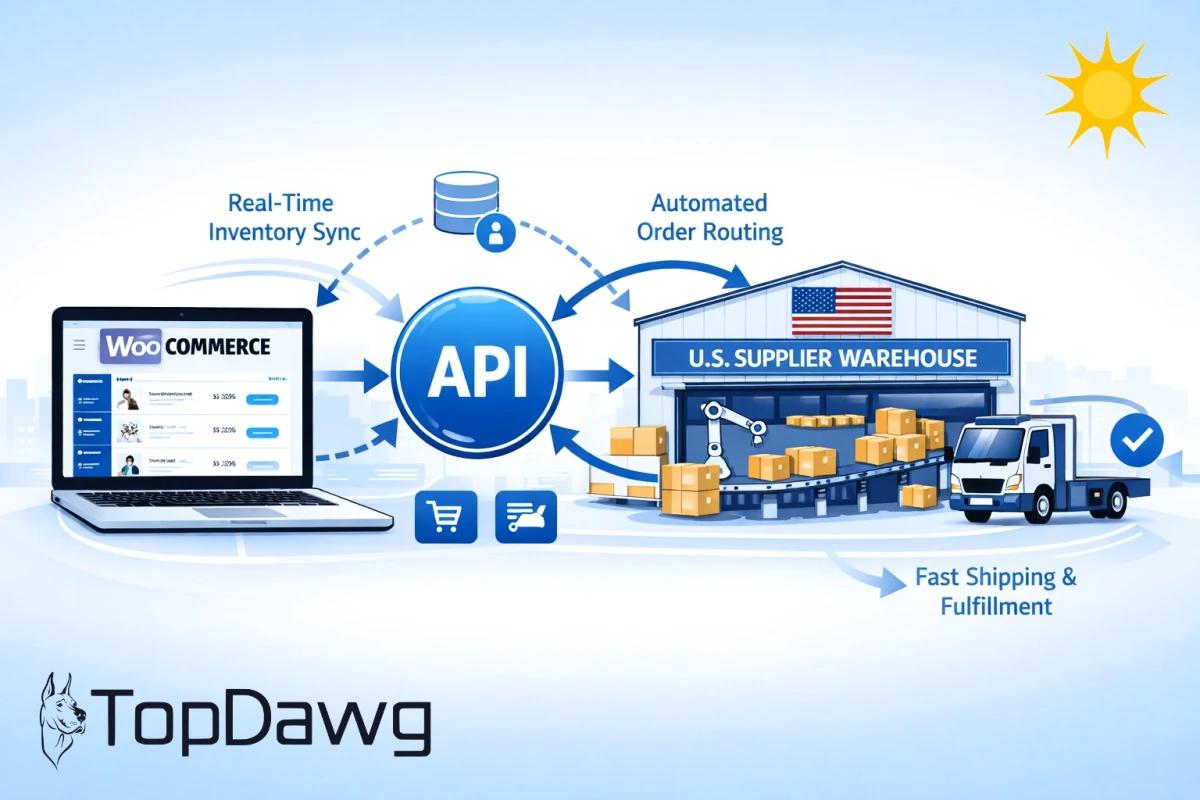
WooCommerce Dropshipping Integration: Connect U.S. Suppliers & Automate Your Store
🔄How WooCommerce Dropshipping Integration Works with U.S. Suppliers WooCommerce is one of the most powerful eCommerce platforms in the world. But if you’re running a dropshipping business, WooCommerce alone isn’t enough. You need a reliable way to connect with suppliers, sync inventory, automate orders, and ensure fast shipping. A WooCommerce dropshipping integration connects your store to wholesale suppliers using API automation, enabling real-time inventory syncing, automated order routing, and faster U.S.-based fulfillment. That’s where a WooCommerce dropshipping integration becomes critical. In this guide, we’ll break down exactly how WooCommerce dropshipping integrations work, why U.S.-based suppliers matter more than ever, and how automation can help you scale your store without operational chaos. 👉 Explore the official TopDawg WooCommerce dropshipping app for U.S. suppliers. 🚀 Why WooCommerce Store Owners Need a Dropshipping Integration Running WooCommerce manually is manageable at first. But once orders start coming in, complexity grows quickly. Without integration, you must: ❌ Manually upload product data❌ Monitor supplier stock levels❌ Re-enter orders manually❌ Track shipping updates yourself❌ Manage pricing changes by hand This creates risk, delays, and lost revenue. A WooCommerce dropshipping integration automates: ✅ Product imports✅ Real-time inventory syncing✅ Order routing to suppliers✅ Tracking synchronization✅ Pricing updates Automation transforms WooCommerce from a storefront into a scalable business engine. 🇺🇸 Why U.S. Suppliers Matter for WooCommerce Dropshipping For years, many WooCommerce stores relied heavily on overseas suppliers — but recent logistics disruptions and tariff shifts have accelerated the move toward domestic fulfillment. See why retailers are moving away from overseas sourcing in our breakdown of AliExpress dropshipping challenges and the shift to U.S. suppliers. The overseas sourcing model comes with challenges: - Long shipping times- Customs delays- Tariff volatility- Higher return rates- Customer dissatisfaction U.S.-based suppliers provide: ✅ Faster shipping (2–5 business days typical)✅ Predictable delivery windows✅ Easier returns✅ Improved customer trust✅ Reduced compliance risks By working with verified dropshippers in the USA, WooCommerce store owners gain access to faster logistics, more predictable inventory, and stronger compliance alignment. If you’re building a brand—not just flipping products—U.S. suppliers create a major competitive advantage. Learn more about the U.S. dropshipping advantage and why domestic fulfillment improves reliability and customer trust. 🏪 Building a Brand with WooCommerce & U.S. Dropshipping Suppliers Many dropshipping stores fail because they focus on products — not brand. Understanding the role of modern retailers is critical — especially if youre new to the model. Our guide on what dropshippers do and how they make money in 2026 breaks it down step-by-step. WooCommerce gives you full ownership of your website, customer data, and branding. When combined with U.S.-based suppliers, it becomes a powerful foundation for long-term growth. 🎨 Why Branding Matters in Dropshipping Customers don’t buy from “random product stores.” They buy from brands they trust. With WooCommerce and U.S. suppliers, you can: ✅ Offer faster shipping (2–5 days typical)✅ Provide transparent return policies✅ Maintain consistent product quality✅ Build long-term customer loyalty Fast domestic fulfillment dramatically improves customer perception compared to 10–20 day overseas shipping models. 📦 Branded Packing & Customer Experience Some U.S. supplier platforms support: - Branded packing slips- Custom invoice inserts- Neutral shipping labels- Domestic tracking numbers This makes your store feel like a professional retail brand — not a middleman. When customers receive packages quickly with clear tracking and professional documentation, refund rates decrease and repeat purchases increase. 🔄 How WooCommerce Dropshipping Integration Works WooCommerce integrations rely on API-based communication between your store and the supplier platform. APIs allow systems to exchange structured data automatically. This ensures that when product details, stock levels, or pricing changes on the supplier side, your WooCommerce store updates without manual edits. Modern integrations use secure authentication methods to maintain data integrity and protect store performance. Let’s simplify the technical process. 🔌 Step 1: Connect WooCommerce to the Integration Platform You authorize your WooCommerce store to connect to a dropshipping platform like TopDawg. The integration allows: - Secure API access- Product data syncing- Order automation- Inventory updates No custom coding required. 📦 Step 2: Import Products to Your WooCommerce Store Once connected, you can: - Browse from 500,000+ wholesale dropshipping products across dozens of U.S.-based categories- Select items to add- Sync product details automatically Imported data includes: - Product titles- Descriptions- Images- Pricing- Inventory levels You maintain control over pricing and branding. 📊 Step 3: Real-Time Inventory & Price Sync Inventory sync is critical in dropshipping. With automation: - Supplier stock changes reflect in your store- Out-of-stock items update automatically- Price changes are synced- Risk of overselling decreases This eliminates one of the biggest operational headaches in WooCommerce dropshipping. 📬 Step 4: Order Automation & Fulfillment When a customer places an order: 1. The order appears in WooCommerce.2. The integration routes the order to the supplier.3. The supplier fulfills and ships.4. Tracking syncs back into WooCommerce. If you want a deeper breakdown of fulfillment mechanics, read our guide on how dropshipping orders actually work from checkout to delivery. No spreadsheets. No manual forwarding. 🛠 WooCommerce API vs CSV Dropshipping Many store owners attempt to use CSV uploads instead of API integrations. While CSV files allow bulk product imports, they do not provide real-time inventory updates or automated order routing. API-based WooCommerce integrations are significantly more efficient because they maintain continuous data synchronization through structured automation systems and advanced API-based dropshipping integration methods. This reduces errors and improves store reliability.CSV workflows require manual re-uploads to reflect stock or price changes, which can lead to outdated listings and overselling. API integrations maintain continuous synchronization between supplier systems and your WooCommerce store. This creates a more stable and scalable operational foundation for serious eCommerce businesses. 🔌 What Is the TopDawg WooCommerce Plug-In and How Does It Work? The TopDawg WooCommerce Plug-In is a native API integration that connects your WooCommerce store directly to TopDawg’s network of verified U.S.-based wholesale suppliers. It automates product imports, inventory synchronization, pricing updates, and order routing without requiring custom development. Once installed and authorized, the plug-in securely links your WooCommerce store to the TopDawg platform. Retailers can browse wholesale products inside their dashboard, select items to add, and sync product details—including titles, descriptions, images, pricing, and stock levels—automatically. When a customer places an order, the plug-in routes it directly to the supplier for fulfillment. Tracking information syncs back into WooCommerce once shipped, keeping customers informed without manual updates. Because it uses real-time API automation instead of spreadsheet uploads, the plug-in maintains continuous synchronization. This reduces overselling, minimizes pricing errors, and supports scalable WooCommerce dropshipping growth. 👉 Explore the official WooCommerce dropshipping plug-in here. 🚀 Ready to stop managing spreadsheets and start automating? 👉 Connect your WooCommerce store to verified U.S. suppliers👉 Sync inventory in real time👉 Automate order fulfillment👉 Scale with confidence Explore the TopDawg WooCommerce Dropshipping App Today ⚙️ Key Features to Look for in a WooCommerce Dropshipping Integration Not all integrations are equal. Here’s what matters most: 🔎 Real-Time Inventory SyncPrevents overselling and cancellations. 📦 Automated Order RoutingReduces manual errors and fulfillment delays. 💰 Flexible Pricing ControlsAllows you to maintain profit margins. 📈 Bulk Product ImportsScale faster with larger catalogs. 🔐 Compliance & Marketplace AwarenessProtects you from restricted product violations. TopDawg’s WooCommerce integration focuses specifically on U.S.-based supplier distribution, automation, and compliance alignment. When evaluating a WooCommerce dropshipping integration, it’s important to look beyond basic product imports. A true automation platform provides real-time synchronization, error handling, order status updates, and scalability controls. Without these elements, store owners often encounter data mismatches, delayed fulfillment, and pricing inconsistencies that harm customer trust. 🤖 Automation: The Difference Between a Side Hustle and a Real Business Automation isn’t just about convenience. It impacts: - Labor costs- Order accuracy- Customer satisfaction- Refund rates- Operational scalability Stores that automate can: - Add more products- Handle higher order volumes- Focus on marketing instead of operations Without automation, growth becomes stressful. With automation, growth becomes manageable. If scaling is your goal, review our complete guide on how to scale a dropshipping business in 2026 without burning out. ⚡ Common WooCommerce Dropshipping Mistakes (And How to Avoid Them) Automation solves many problems — but store owners still make preventable mistakes. ❌ Mistake 1: Relying on Overseas Suppliers Only Long shipping times increase refunds and customer complaints. U.S. suppliers provide stability and predictability. ❌ Mistake 2: Ignoring Inventory Sync If your integration does not provide real-time inventory syncing, overselling becomes inevitable. Overselling damages store reputation and increases payment disputes. ❌ Mistake 3: Manual Order Processing Manually forwarding orders creates delays and errors. Automated routing reduces fulfillment friction and improves scaling potential. ❌ Mistake 4: Not Preparing for Marketplace Expansion Many WooCommerce sellers later expand to: - Amazon- Walmart- eBay Choose integrations that consider compliance and restricted product rules from the start. 📈 WooCommerce vs Other Platforms for Dropshipping Unlike fully hosted platforms, WooCommerce gives store owners greater flexibility and ownership over their infrastructure. For comparison, many retailers also explore Shopify dropshipping integration and BigCommerce dropshipping integration options before deciding which platform best aligns with their automation strategy. However, this flexibility makes automation even more important. Without proper integration systems in place, WooCommerce stores can become operationally complex. The right dropshipping integration simplifies that complexity while preserving control. WooCommerce offers: - Full ownership- Flexible customization- Lower long-term SaaS dependency- WordPress ecosystem advantages But it requires: - Reliable integrations- Technical setup discipline- Structured automation When paired with a strong U.S. supplier integration, WooCommerce becomes extremely powerful. 🔍 SEO Strategy for WooCommerce Dropshipping Stores Automation is only half the equation. Traffic is the other half. WooCommerce, powered by WordPress, gives you a massive SEO advantage — if used correctly. 📝 Content + Commerce Strategy To rank consistently: ✅ Create product category guides✅ Publish niche educational blog posts✅ Use long-tail keyword targeting✅ Build internal linking between blog and product pages A strong WooCommerce dropshipping integration ensures your product data remains updated while your content drives organic traffic. 🔗 Internal Linking Structure for SEO Strength For best performance: - Link blog content to your WooCommerce integration page- Link integration page back to blog tutorials- Build cluster content around dropshipping automation- Reinforce U.S. supplier positioning across multiple posts This builds topical authority around: - WooCommerce dropshipping- U.S. wholesale suppliers- eCommerce automation- Inventory syncing- Order fulfillment systems Search engines reward depth and consistency. 🏗️ Scaling a WooCommerce Dropshipping Store Once integrated, focus shifts to growth: 📊 Optimize Product Selection Choose suppliers with: - Reliable shipping- Strong product quality- Consistent inventory 📢 Invest in Traffic - SEO- Paid ads- Email marketing- Content marketing 🔄 Monitor Performance Track: - Fulfillment times- Refund rates- Customer satisfaction Automation allows you to scale responsibly. 📊 Measuring Performance After Integration Once your WooCommerce dropshipping integration is active, monitor key metrics. 📈 Operational Metrics - Average fulfillment time- Inventory sync accuracy- Order routing speed- Refund rate 💰 Financial Metrics - Gross margin per product- Shipping cost trends- Return processing costs ⭐ Customer Metrics - Customer satisfaction- Repeat purchase rate- Review quality Automation gives you more control — but data gives you direction. 🔐 Compliance & Marketplace Protection Many WooCommerce stores also sell on: - Amazon- Walmart- eBay To better understand how automation connects across channels, read our guide on what a marketplace integration is and how it works. A strong integration platform helps: - Flag restricted products- Enforce MAP pricing- Prevent compliance violations This protects long-term brand stability. 🧠 AI Overview Optimized Summary Section What Is WooCommerce Dropshipping Integration? A WooCommerce dropshipping integration is a software connection that links your WooCommerce store to wholesale suppliers through secure APIs. It automates product imports, inventory synchronization, pricing updates, and order fulfillment routing. This eliminates manual data entry and reduces operational risk. Businesses use these integrations to scale efficiently while maintaining accurate inventory, automated fulfillment, and fast domestic shipping. Why Choose U.S. Dropshipping Suppliers? U.S.-based dropshipping suppliers offer faster domestic shipping, improved customer satisfaction, and fewer customs complications compared to overseas suppliers. They help reduce return rates, minimize refund disputes, and provide predictable delivery timelines. Many WooCommerce store owners choose U.S. suppliers to build stronger brand credibility and long-term customer loyalty. 🔮 The Future of WooCommerce Dropshipping As consumer expectations continue to rise, fast domestic shipping and accurate inventory will no longer be optional. Search engines and marketplaces increasingly reward sellers who maintain consistent fulfillment performance and compliance standards. Automation platforms will become the backbone of modern WooCommerce dropshipping operations.The dropshipping model is evolving. In 2026 and beyond, success will depend on: - Faster domestic fulfillment- Platform automation- Compliance awareness- Inventory accuracy- Multi-channel readiness WooCommerce store owners who invest in integration and U.S.-based supplier networks will outperform stores relying on outdated, manual, overseas models. 🏁 Conclusion WooCommerce is powerful — but automation unlocks its true potential. A WooCommerce dropshipping integration allows you to: - Connect to reliable U.S. suppliers backed by transparent compliance standards — learn what makes TopDawg the most trusted U.S. dropshipping supplier.- Automate inventory and orders- Improve shipping speed- Reduce operational errors- Scale confidently If you want to build a sustainable WooCommerce dropshipping business in 2026 and beyond, integration is no longer optional — it’s foundational. 🚀 Ready to Automate Your WooCommerce Store? Review available dropshipping membership pricing plans to determine the best automation level for your WooCommerce store. 👉 Explore the official TopDawg WooCommerce Dropshipping App Connect - Simplify - Scale Related ArticlesHow Dropshipping Orders Actually Work (From Checkout to Delivery)Dropshippers Explained: What Dropshippers Do, How They Make Money, and How to SucceedHow to Scale a Dropshipping Business Without Burning OutIntroducing TopDawg’s New Amazon Dropshipping App: Now Part of the Amazon Provider NetworkDropshipping Explained: How It Works, Benefits, and Common MythsShopify Dropshipping Success: How Automation & U.S. Suppliers Give You the Competitive EdgeHow to Start a Dropshipping BusinessWhy TopDawg Ranks #1: What Makes It the Most Trusted U.S. Dropshipping SupplierTopDawg Featured in Forbes: Why U.S.-Based Dropshipping Is the Future of eCommerceHow to Create a Professional Online Store for Dropshipping: A Step by Step Guide 🖋️ About the Author Darren DeFeo is the CEO of TopDawg, a U.S.-based dropshipping platform that helps thousands of retailers streamline eCommerce operations with verified American suppliers and automated fulfillment. With 20+ years in digital commerce and product innovation, Darren focuses on building sustainable growth systems that help entrepreneurs scale with confidence. When he’s not leading TopDawg, Darren is cultivating partnerships that keep retailers ahead of market shifts — especially in logistics, automation, and the evolving U.S. trade landscape. 🔗 Connect with Darren on LinkedIn
Read More
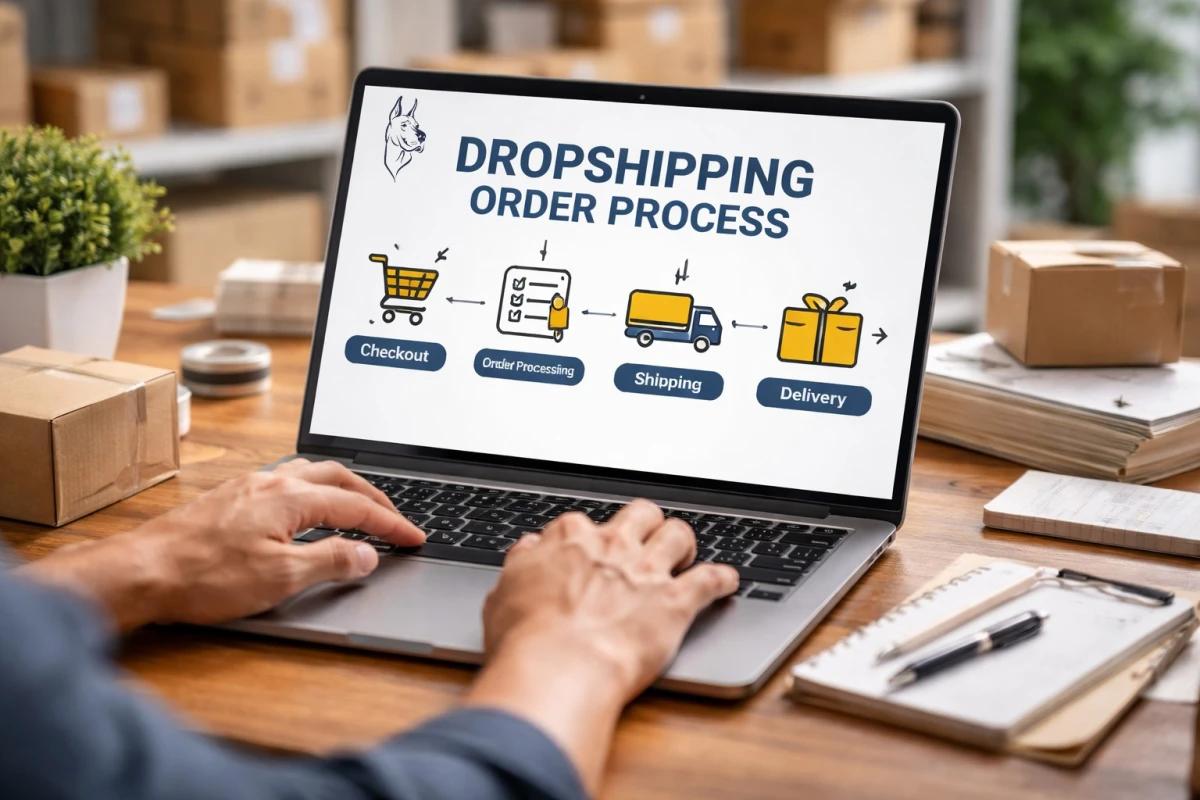
How Dropshipping Orders Actually Work (From Checkout to Delivery)
🧭The Real Dropshipping Order Flow (And Why It Matters) Dropshipping is often described as “selling without inventory,” but that oversimplification causes confusion — and costly mistakes — for many new and experienced retailers alike. Behind every successful dropshipping sale is a multi-step fulfillment process involving checkout systems, payment verification, supplier communication, shipping logistics, tracking updates, and post-delivery support. This guide complements broader explanations of dropshipping fundamentals, such as how dropshipping works, its benefits, and common myths, by focusing specifically on what happens after a customer places an order. Understanding this order flow is essential for reducing refunds, avoiding chargebacks, and building a scalable dropshipping business. If you’re new to ecommerce, start with our complete guide on how to start a dropshipping business, then come back here to understand what happens after the first sale. 🛒 Step 1 — Customer Checkout & Order Placement The dropshipping process begins the same way as any ecommerce transaction: a customer places an order on your online store. 🔹 What happens at checkout: ✅ The customer selects a product and enters shipping details✅ Payment is processed through your ecommerce platform✅ The order is recorded inside your store’s order management system✅ Inventory availability is checked (either live or cached) At this stage, you collect the retail payment, not the supplier. The difference between your retail price and the supplier’s wholesale price is your gross margin. ⚠️ Where many retailers go wrong: Selling products without accurate inventory or shipping data leads to cancellations, delays, and refund requests before fulfillment even begins. 🧾What Happens Behind the Scenes After Checkout (What Customers Never See) From the customer’s perspective, checkout feels instant. Behind the scenes, however, a dropshipping order triggers a chain of validations and checks that determine whether fulfillment will succeed or fail. Once payment is approved, the order enters a verification stage where product identifiers, shipping destinations, and inventory availability are confirmed. This step is critical because even small mismatches — such as outdated SKUs or incorrect shipping zones — can delay fulfillment or force cancellations. Reliable dropshipping systems validate these details automatically before an order ever reaches the supplier. This behind-the-scenes layer is where experienced retailers differentiate themselves. Instead of reacting to fulfillment problems after the fact, they build workflows that prevent errors from occurring in the first place. Customers never see this infrastructure, but they feel the impact through faster shipping, fewer issues, and clearer communication. 🔄 Step 2 — Order Syncing & Automation Triggers Once the order is placed, the next step is transferring that order to the supplier — either manually or automatically. ✅ Automated workflows include: - Order details syncing to the supplier system- Product SKU matching and validation- Shipping method selection- Address verification- Fraud and payment confirmation Automation dramatically reduces errors and fulfillment delays. Manual ordering, while possible, becomes risky as volume increases, especially for retailers who have not focused on setting up a scalable dropshipping operation. 💡 Key takeaway: Automation doesn’t remove responsibility — it removes friction. Retailers are still accountable for what ships, when it ships, and how it arrives. 🏭 Step 3 — Supplier Receives & Confirms the Order Once the supplier receives the order, they confirm: ✅ Product availability✅ Shipping method and destination✅ Processing timeline✅ Compliance requirements (brand, marketplace, MAP) At this point, inventory accuracy matters more than catalog size. Reliable suppliers prioritize consistency over volume. Common supplier checkpoints: - Address validation- Product condition verification- Packaging requirements- Shipping label generation This is where strong supplier vetting makes or breaks the experience. 📊Inventory Accuracy vs. Inventory Volume (Why Fewer Products Often Perform Better) One of the most common misconceptions in dropshipping is that success comes from listing as many products as possible. In reality, inventory accuracy consistently outperforms inventory volume. Large catalogs often hide unstable products — items that go out of stock, change specifications, or disappear without notice. When retailers build stores around these products, they inherit risk they can’t control — often tied to poor supplier reliability rather than marketing or demand. Retailers who focus on fewer, more reliable products benefit from predictable fulfillment, cleaner automation, and lower support overhead. Inventory continuity allows retailers to scale marketing efforts with confidence instead of constantly chasing replacements. In dropshipping, stability compounds just as quickly as instability does. 📦 Step 4 — Picking, Packing & Fulfillment After confirmation, the supplier prepares the order for shipment. ✅ Fulfillment includes: - Picking the correct SKU- Secure packaging- Attaching shipping labels- Including packing slips (branded or neutral) Retailers may have options to: - Use branded packing slips- Remove supplier branding- Customize return instructions 📌 Important note:Even though the supplier ships the product, the retailer remains the customer-facing brand. 🚚 Step 5 — Shipping, Tracking & Carrier Handoff Once shipped, the order is handed off to a carrier and tracking is generated. Common carrier responsibilities: - First-mile pickup- In-transit updates- Delivery confirmation- Exception handling (delays, reroutes) Tracking data is: - Synced back to the retailer’s platform- Shared with the end customer- Used to manage support inquiries For retailers selling primarily to U.S. customers, domestic fulfillment plays a critical role in meeting delivery expectations. Delivery speed plays a major role in: - Conversion rates- Refund requests- Chargeback risk- Customer trust 📬 Step 6 — Customer Delivery & Post-Order Experience Delivery is not the end of the order lifecycle — it’s the beginning of the customer’s experience with your brand. After delivery, customers may: - Track additional shipments- Request returns or exchanges- Leave reviews- Contact support Retailers must be prepared to: - Handle delivery exceptions- Communicate delays clearly- Manage returns properly- Maintain compliance with marketplace rules Strong fulfillment reduces downstream support costs dramatically. 💳How Order Flow Impacts Chargebacks, Refunds, and Reviews Dropshipping order flow doesn’t just affect logistics — it directly influences financial and reputational outcomes. When fulfillment breaks down, the downstream effects are immediate. Delayed shipping leads to refund requests. Missing tracking increases disputes. Inconsistent delivery times drive negative reviews. Over time, these issues raise chargeback ratios and create friction with payment processors and marketplaces. Retailers who understand the full order lifecycle design safeguards into their process. They align shipping expectations with reality, communicate proactively, and use tracking data to reduce uncertainty. This operational discipline doesn’t just protect margins — it protects the long-term viability of the business. 🤖Where Automation Fits Into the Dropshipping Workflow Automation connects every step of the order lifecycle through dropshipping platforms that manage order syncing, inventory updates, tracking, and fulfillment visibility. Automated systems can: - Sync orders in real time- Update stock levels- Push tracking to stores- Flag fulfillment errors- Reduce manual intervention However, automation only works when: - Supplier data is accurate- Shipping rules are enforced- Platforms are properly integrated ⚠️ Automation does not fix poor suppliers — it amplifies them. Retailers looking to go deeper on this topic can explore how automation enhances dropshipping efficiency, including order syncing, inventory updates, and tracking workflows. 🔁Why Dropshipping Order Flow Must Be Designed for Scale (Not Just Launch) Many dropshipping stores function adequately at low volume but collapse under growth. The reason is simple: their order flow was never designed for scale. Manual processes that work for a few orders per week become bottlenecks at higher volumes. Delayed supplier confirmations, spreadsheet-based workflows, and inconsistent shipping rules introduce friction that compounds as order count increases. Scaling exposes weaknesses that were always present — just hidden. Designing order flow for scale means standardizing fulfillment rules, enforcing supplier accountability, and relying on automation that can handle volume without breaking. Retailers who invest in this early scale faster, with fewer disruptions, and with far less operational stress. Retailers who treat fulfillment as a system—not a handoff—are better positioned to scale.🚀 Ready to build a more reliable fulfillment process?Learn how modern dropshipping platforms streamline orders from checkout to delivery. 🧩Platforms, Suppliers & Responsibility Boundaries One of the biggest misunderstandings in dropshipping is who is responsible for what. Responsibility breakdown: ✅ Retailer: customer experience, pricing, branding, compliance✅ Supplier: fulfillment accuracy, packaging, shipping execution✅ Platform: data syncing, automation, order visibility Clear boundaries prevent finger-pointing and protect the retailer’s brand. ⚠️Common Dropshipping Fulfillment Mistakes to Avoid ❌ Selling without inventory verification❌ Underestimating shipping expectations❌ Using unreliable or unvetted suppliers❌ Ignoring return workflows❌ Treating fulfillment as “hands-off” Dropshipping works best when retailers treat fulfillment as a core operation, not an afterthought. This becomes even more critical when orders flow across multiple sales channels through marketplace integrations. ⚠️ Struggling with shipping delays or cancellations?Discover why supplier reliability is the foundation of successful dropshipping fulfillment. 📈Why Understanding the Order Flow Improves Scaling Retailers who understand the full order lifecycle can: - Scale confidently- Reduce refund rates- Improve customer satisfaction- Expand to new channels- Protect margins Scaling isn’t about adding more products — it’s about improving fulfillment reliability. Dropshipping Is a Fulfillment Model, Not a Shortcut Dropshipping doesn’t remove responsibility — it redistributes it. Retailers remain accountable for customer experience, delivery timelines, and post-order support, regardless of who ships the product. Understanding this distinction is essential for building trust and avoiding costly mistakes. The most successful dropshippers treat fulfillment as a core operation, not a background task. 🏁 Conclusion: Dropshipping Works Best When You Understand the Entire Flow Dropshipping is not “set it and forget it.” It’s a fulfillment model that rewards retailers who understand the full order lifecycle — from checkout to delivery and beyond. When retailers align platforms, suppliers, and automation correctly, dropshipping becomes scalable, predictable, and customer-friendly. When they don’t, small cracks turn into operational failures. Understanding how dropshipping orders actually work is the foundation for building a sustainable ecommerce business. 🤖 Looking to scale without chaos?See how proper order flow and automation reduce errors and support sustainable growth. Related ArticlesHow to Start a Dropshipping BusinessDropshippers Explained: What Dropshippers Do, How They Make Money, and How to SucceedHow to Scale a Dropshipping Business Without Burning OutIntroducing TopDawg’s New Amazon Dropshipping App: Now Part of the Amazon Provider NetworkDropshipping Explained: How It Works, Benefits, and Common MythsShopify Dropshipping Success: How Automation & U.S. Suppliers Give You the Competitive EdgeWhy TopDawg Ranks #1: What Makes It the Most Trusted U.S. Dropshipping SupplierTopDawg Featured in Forbes: Why U.S.-Based Dropshipping Is the Future of eCommerceHow to Create a Professional Online Store for Dropshipping: A Step by Step GuideAliExpress Dropshipping in Trouble? Why Retailers Are Moving to U.S. Suppliers in 2025 🖋️ About the Author Darren DeFeo is the CEO of TopDawg, a U.S.-based dropshipping platform that helps thousands of retailers streamline eCommerce operations with verified American suppliers and automated fulfillment. With 20+ years in digital commerce and product innovation, Darren focuses on building sustainable growth systems that help entrepreneurs scale with confidence. When he’s not leading TopDawg, Darren is cultivating partnerships that keep retailers ahead of market shifts — especially in logistics, automation, and the evolving U.S. trade landscape. 🔗 Connect with Darren on LinkedIn
Read More
Dropshippers Explained: What Dropshippers Do and How They Make Money (2026)
Understanding Dropshippers in Todays eCommerce Landscape Dropshippers play a central role in modern eCommerce, yet the term is often misunderstood. Some people assume dropshippers are suppliers, while others believe dropshipping is a “get-rich-quick” scheme. In reality, dropshippers are retailers, not manufacturers or distributors. They build real online businesses by leveraging suppliers, automation, and digital sales channels to sell products without holding inventory. In today’s market, dropshipping is no longer about shortcuts or experimentation. In 2026, successful dropshippers operate structured retail businesses that prioritize fulfillment reliability, compliance, automation, and customer experience. Those who treat dropshipping as a professional model — rather than a loophole — are the ones who succeed. In this guide, we’ll break down what dropshippers actually do, how they make money, and what separates successful dropshippers from those who fail — especially in a landscape shaped by higher customer expectations, stricter marketplace rules, and faster delivery standards. If you’re new to ecommerce and want a complete walkthrough of launching your first store, see our guide on how to start a dropshipping business, which explains the entire process step by step. What Are Dropshippers? Dropshippers are online retailers who sell products without holding inventory. Instead of stocking goods themselves, they partner with third-party suppliers who store, pack, and ship products directly to customers once an order is placed. What defines a dropshipper is not fulfillment — it’s ownership of the retail operation. Dropshippers are responsible for: - Product selection and merchandising- Store creation and optimization- Marketing, traffic generation, and conversion- Customer communication and post-purchase experience The supplier handles inventory and shipping. The dropshipper owns the brand, pricing strategy, customer relationship, and business risk. This distinction is critical. While suppliers fulfill orders, dropshippers create demand. Can a Supplier Be a Dropshipper? (Where the Confusion Comes From) Technically, yes — but only when a supplier is performing two separate roles at the same time. To understand this, it helps to look at the eCommerce supply chain clearly. In a standard dropshipping model: - The supplier owns inventory and fulfillment infrastructure- The dropshipper owns the storefront, customer, and marketing However, the lines can blur in a few specific scenarios. 🏭 The “Wholesale Dropshipper” Model Many modern suppliers are built specifically to support dropshippers. These businesses hold inventory in their own warehouses but provide retailers with: - Product photos and descriptions- Pricing data and inventory feeds- Dropship-ready fulfillment services In this model, the supplier is not selling to the end customer. They are acting as a dropshipping supplier, not a retailer. The dropshipper still owns the storefront and customer relationship. This is the most common and legitimate reason the terms “dropshipper” and “dropshipping supplier” get mixed up — the supplier supports dropshippers, but the dropshipper still owns the storefront and customer. 🛒 Direct-to-Consumer (DTC) Sellers Sometimes, manufacturers or wholesalers decide to sell directly to customers on platforms like Amazon, Walmart, or their own websites. In this case: - They own the inventory- They own the storefront- They fulfill individual orders from their own warehouse Technically, they are “dropshipping” for themselves — but they are acting as a retailer, not a dropshipper supporting other businesses. This is a DTC model, not traditional dropshipping. 🚫 Retail Arbitrage (Often Misidentified as Dropshipping) Retail arbitrage is frequently confused with dropshipping, but it operates very differently. In this scenario: - A seller lists a product on one marketplace- When it sells, they buy it from another retailer (like Amazon or Walmart)- The item ships to the customer in a retailer-branded box Here, the “supplier” is actually another retailer — often without any agreement in place. This practice is widely discouraged and frequently violates marketplace dropshipping policies. Retail arbitrage is not professional dropshipping and carries high compliance risk. 🧠 Why This Distinction Matters in 2026 As marketplaces and payment processors tighten enforcement, understanding the difference between dropshippers, suppliers, and retailers is more important than ever. Professional dropshippers succeed because they: - Work with legitimate suppliers- Maintain clear fulfillment standards- Control customer communication and branding- Operate within marketplace and tax compliance rules In 2026, dropshipping is no longer about exploiting gaps in the system. It’s about building a lean, compliant retail business supported by reliable fulfillment partners. How Dropshippers Fit Into the Modern eCommerce Supply Chain Dropshippers act as the connective layer between product manufacturers or wholesalers and end customers. In today’s eCommerce ecosystem, they sit at the intersection of supply chain management, digital marketing, and customer experience, without taking on the capital risk of holding inventory. Rather than functioning as manufacturers or distributors, dropshippers focus on demand creation and brand ownership. They identify products customers want, present them through optimized online storefronts or marketplaces, and rely on suppliers to fulfill orders once sales are made. This structure allows dropshippers to scale quickly without the overhead associated with warehousing, staffing, or logistics infrastructure. What’s changed in recent years is where dropshippers add value. In earlier eras, speed and reliability were secondary. In 2026, customer expectations are shaped by Amazon-level delivery standards, transparent tracking, and frictionless returns. Dropshippers who cannot meet these expectations struggle to compete, regardless of product pricing. Modern dropshippers must now account for: - Shipping origin and delivery time- Supplier reliability and inventory accuracy- Marketplace compliance requirements- Customer communication and post-purchase experience As a result, dropshipping has evolved from a low-barrier experiment into a professionalized retail model. The most successful dropshippers operate more like lean retail companies than side hustles, leveraging automation, verified suppliers, and integrated sales channels to remain competitive. This shift is why dropshippers increasingly prioritize supply chain quality over product novelty. In 2026, consistency, speed, and compliance matter more than chasing the cheapest possible product. What Do Dropshippers Actually Do Day to Day? Successful dropshippers are operators, not passive middlemen. Their daily responsibilities include: ✅ Researching high-demand products✅ Managing product listings and pricing✅ Running ads and organic marketing campaigns✅ Handling customer inquiries and returns✅ Monitoring supplier performance and inventory As a dropshipping business scales, these tasks become increasingly automated — allowing professional dropshippers to focus on growth instead of manual work. How Do Dropshippers Make Money? Dropshippers earn money by selling products at a retail price that exceeds their wholesale cost. 🔹 The Dropshipping Profit Model The basic formula is simple: 💰 Retail Price – Wholesale Cost – Expenses = Profit However, long-term profitability depends on more than product cost alone. Successful dropshippers focus on: - Healthy margins (not just cheap products)- Fast and reliable shipping- Low refund and dispute rates- Repeat customers and lifetime value This is why many experienced dropshippers move away from unreliable overseas fulfillment as they grow. The Real Economics of Dropshipping (Margins, Costs, and Tradeoffs) While dropshipping is often marketed as “low risk,” profitability depends on understanding the true cost structure of the business. Many new dropshippers focus exclusively on wholesale product cost, overlooking expenses that erode margins over time. Beyond product cost, dropshippers must account for: - Advertising and customer acquisition costs- Payment processing fees- Returns, refunds, and chargebacks- Platform subscriptions and automation tools- Customer support and dispute resolution In practice, the cheapest supplier option often results in higher downstream costs. Slow shipping leads to increased refund requests, customer complaints, and negative reviews, all of which reduce lifetime customer value. Over time, these hidden costs can outweigh the savings of low wholesale pricing. Professional dropshippers evaluate profitability holistically. Instead of maximizing margin on a single order, they optimize for: - Lower refund and dispute rates- Higher repeat purchase behavior- Predictable fulfillment timelines- Reduced operational overhead through automation This is why many experienced dropshippers are willing to accept slightly higher product costs in exchange for faster delivery, better supplier accountability, and smoother customer experiences. When fulfillment is reliable, marketing becomes more efficient and scaling becomes sustainable. In short, dropshipping profitability is driven by systems, not shortcuts. The businesses that survive and grow are those that treat unit economics, fulfillment reliability, and customer trust as interconnected components of long-term success. Types of Dropshippers (Beginner to Professional) Not all dropshippers operate at the same level. Understanding the differences helps explain why outcomes vary so widely. 🟢 Beginner DropshippersTesting products, learning platforms, and validating demand — often with limited automation. 🟢 Platform-Based DropshippersRunning stores on platforms like Shopify or WooCommerce with basic integrations. 🟢 Marketplace DropshippersSelling on Amazon, Walmart, or eBay while complying with strict marketplace rules. 🟢 Professional DropshippersOperating multi-channel stores with automation, vetted suppliers, and scalable fulfillment. Most failed dropshipping businesses never progress beyond the beginner phase. How Dropshippers Scale From Single Stores to Multi-Channel Businesses Scaling is where dropshipping transitions from experimentation to execution. While many beginners focus on launching their first store, professional dropshippers focus on expansion across channels while maintaining operational control. As dropshippers grow, they typically move through several scaling phases: 1. Single-channel validation – proving demand through one storefront or marketplace2. Operational stabilization – improving fulfillment, reducing refunds, and automating workflows3. Channel expansion – selling across multiple platforms simultaneously4. Process optimization – centralizing inventory, orders, and tracking Multi-channel dropshipping allows retailers to reduce dependency on any single traffic source or platform. However, it also introduces complexity. Inventory synchronization, pricing consistency, order routing, and compliance become significantly more challenging without proper systems in place. This is why scalable dropshippers rely heavily on integrated platforms and automation tools. Manual workflows that function at low volume break down quickly as order counts increase. Automation ensures that inventory updates, order transmission, and tracking information remain accurate across every sales channel. In 2026, successful scaling is less about adding more products and more about controlling operational complexity — especially for dropshippers trying to scale without burning out. Where Do Successful Dropshippers Source Products? Product sourcing is one of the most important decisions a dropshipper makes. 🌍 Overseas Suppliers (Pros & Cons) Overseas platforms offer low prices but often introduce: - Long shipping times- Tariffs and customs issues- Inconsistent quality- High refund rates 🇺🇸 Domestic Suppliers (Why Many Dropshippers Switch) As dropshippers scale, many choose to work with verified U.S.-based dropshipping suppliers to: - Deliver orders in 2–5 days- Avoid tariffs and import risks- Simplify returns and compliance- Improve customer trust If you sell to U.S. customers, working with verified domestic suppliers can be the difference between 2–5 day delivery and weeks-long delays. Many professional retailers eventually move toward a U.S.-based dropshipping platform that prioritizes fast shipping, supplier accountability, and compliance — see our guide on Dropshippers in the USA You Can Trust for a deeper breakdown. 🔍 How Dropshippers Compare U.S.-Based Suppliers Once dropshippers decide to source domestically, the next step is evaluating which suppliers and platforms best support speed, automation, and long-term scalability. This ranked comparison of the top U.S.-based dropshipping suppliers for 2026 breaks down how leading platforms compare — and what separates scalable solutions from short-term options. Dropshippers vs Wholesalers vs Marketplaces Understanding these differences prevents costly mistakes: - Dropshippers sell products and own the customer relationship- Wholesalers sell in bulk to retailers- Marketplaces (Amazon, Walmart) provide traffic but enforce strict rules Dropshippers who confuse these roles often struggle with compliance, margins, or scalability. Common Mistakes New Dropshippers Make Many dropshippers fail not because the model doesn’t work — but because of avoidable mistakes: ✅ Choosing suppliers based only on price✅ Ignoring shipping origin and delivery speed✅ Scaling ads before fixing fulfillment✅ Selling restricted marketplace products✅ Operating without automation Avoiding these pitfalls dramatically increases long-term success. Compliance, Trust, and Risk Management for Dropshippers Compliance has become one of the most overlooked — yet critical — success factors for dropshippers. As marketplaces and payment processors tighten enforcement, dropshippers must operate within clearly defined rules to avoid account suspensions, withheld funds, or permanent bans. Key compliance areas dropshippers must manage include: - Marketplace fulfillment and dropshipping policies- Product restrictions and category approvals- Sales tax and resale certificate requirements- Accurate shipping promises and tracking updates Many new dropshippers mistakenly assume compliance is optional or can be addressed later. In reality, violations often surface only after a store begins generating meaningful volume — precisely when interruptions are most costly. Trust is equally important. Customers are far more likely to reorder from brands that deliver on expectations, communicate transparently, and resolve issues quickly. Dropshippers who rely on unreliable suppliers or opaque shipping practices undermine this trust, regardless of marketing quality. Professional dropshippers mitigate risk by: - Working with vetted suppliers- Ensuring clear fulfillment standards- Maintaining accurate product and shipping data- Using platforms that support compliance rather than bypass it In today’s environment, trust and compliance are growth enablers, not obstacles. Dropshippers who prioritize them gain stability, scalability, and long-term viability. What Successful Dropshippers Focus on in 2026 The most successful dropshippers today prioritize: ✅ Automation across product syncing, orders, and tracking✅ Reliable suppliers with proven fulfillment performance✅ Multi-channel selling across stores and marketplaces✅ Compliance with marketplace and tax rules✅ Customer experience and brand trust Dropshipping in 2026 rewards systems, not shortcuts. Are Dropshippers Still Profitable in 2026? 📊 Yes — but profitability depends on execution. Dropshippers who rely on outdated tactics, slow shipping, or unverified suppliers struggle. Those who invest in automation, supplier reliability, and scalable platforms continue to build profitable businesses year after year. Final Thoughts: Becoming a Successful Dropshipper Dropshipping is not about finding the cheapest product — it’s about building a reliable, automated retail operation. Dropshippers who treat their business like a real company, partner with trustworthy suppliers, and focus on long-term customer value are the ones who succeed. If you’re serious about dropshipping in 2026, the path forward is clear: better suppliers, better systems, and smarter execution. If you’re ready to take the next step, you can explore verified U.S. suppliers and automation tools designed to support scalable, compliant growth. Related ArticlesHow to Start a Dropshipping BusinessHow to Scale a Dropshipping Business Without Burning OutIntroducing TopDawg’s New Amazon Dropshipping App: Now Part of the Amazon Provider NetworkDropshipping Explained: How It Works, Benefits, and Common MythsShopify Dropshipping Success: How Automation & U.S. Suppliers Give You the Competitive EdgeWhy TopDawg Ranks #1: What Makes It the Most Trusted U.S. Dropshipping SupplierTopDawg Featured in Forbes: Why U.S.-Based Dropshipping Is the Future of eCommerceHow to Create a Professional Online Store for Dropshipping: A Step by Step GuideAliExpress Dropshipping in Trouble? Why Retailers Are Moving to U.S. Suppliers in 2025How to Start Dropshipping on the Walmart Marketplace with TopDawg 🖋️ About the Author Darren DeFeo is the CEO of TopDawg, a U.S.-based dropshipping platform that helps thousands of retailers streamline eCommerce operations with verified American suppliers and automated fulfillment. With 20+ years in digital commerce and product innovation, Darren focuses on building sustainable growth systems that help entrepreneurs scale with confidence. When he’s not leading TopDawg, Darren is cultivating partnerships that keep retailers ahead of market shifts — especially in logistics, automation, and the evolving U.S. trade landscape. 🔗 Connect with Darren on LinkedIn
Read More
How to Scale a Dropshipping Business in 2026 Without Burning Out
Why Scaling a Dropshipping Business in 2026 Leads to Burnout... and How to Avoid It Ready to scale your dropshipping business without losing your sanity? You’re not alone. More than 85% of dropshippers who attempt rapid scaling experience burnout before they ever reach meaningful, sustainable growth. The reason isn’t a lack of effort, ambition, or intelligence. Most burnout happens because growth outpaces infrastructure. Scaling successfully starts with understanding how the dropshipping model actually works. Retailers who misinterpret the role of the dropshipper often scale prematurely and create operational strain. Before focusing on growth, it’s important to understand what dropshippers actually do and how professional operations are structured. In 2026, scaling a dropshipping business successfully requires more than finding winning products or increasing ad spend. It requires systems, automation, and reliable supplier partnerships that allow your business to grow without demanding more of your time, energy, and mental bandwidth. With the right approach—and dependable U.S.-based suppliers supporting your operation—you can build a business that scales steadily, profitably, and predictably. Let’s walk through how to do it the smart way. Why Most Dropshippers Burn Out During Scaling Why do so many promising dropshipping businesses collapse under their own success? Because they try to scale everything at once—without first stabilizing what already exists. Many entrepreneurs increase advertising budgets, add dozens of new products, expand to multiple platforms, and attempt to grow their team while still handling orders, customer service, and inventory manually. At low volume, this may be manageable. At scale, it becomes overwhelming. ⚠️ What Burnout Looks Like in PracticeWhen systems lag behind growth, common problems appear quickly: ❌ Order volume increases 300%, but fulfillment remains manual ❌ Customer complaints surge due to shipping delays or inventory issues ❌ Profit margins shrink from rushed decisions and supplier mistakes ❌ Work-life balance disappears as founders respond to constant issues ❌ Brand reputation suffers from inconsistent customer experience Scaling doesn’t create problems—it amplifies existing ones. If your operation is fragile, growth exposes it fast. The solution isn’t to grow slower.The solution is to build before you scale. 💡 Burnout usually isn’t a motivation problem — it’s a systems problem. Retailers who scale with reliable U.S.-based suppliers and automation avoid many of the issues that derail growth early. The Smart Way to Scale in 2026: Systems First, Growth Second Successful scaling in 2026 isn’t about speed. It’s about readiness. The most successful dropshippers follow a simple principle: infrastructure before expansion. That means building systems, processes, and partnerships capable of handling ten times your current volume before you actually reach it. This approach turns scaling from a stressful guessing game into a predictable, manageable process. 🧩 The 4 Pillars of Sustainable Scaling Automation InfrastructureEvery repetitive task should run without your direct involvement. At scale, even small manual tasks become time-consuming bottlenecks. Key automation areas include: ✅ Order processing and fulfillment ✅ Inventory updates and alerts ✅ Customer notifications and tracking emails ✅ Basic customer service responses Automation ensures that increased revenue doesn’t require increased labor. Reliable Supplier PartnershipsAs your order volume grows, suppliers become one of the most critical factors in your success—or failure. U.S.-based dropshipping suppliers offer:- Faster and more predictable shipping- More consistent inventory availability- Clearer communication during high-volume periods- Better quality control These advantages become exponentially more important as your business scales. Data-Driven Decision MakingScaling should never be based on gut instinct alone. Successful dropshippers rely on performance data to decide:- Which products to scale- Which marketing channels to expand- Which suppliers to prioritize- Which initiatives to cut Data-driven decisions reduce risk and prevent wasted effort. Financial SystemsFinancial chaos is one of the fastest ways to derail a growing business. Proper bookkeeping, cash-flow management, and tax planning ensure:- You understand true profitability- You reinvest wisely- You avoid unpleasant surprises during growth Scaling without financial visibility is like driving blindfolded. 🔧 Scaling becomes dramatically easier when order processing, inventory syncing, and supplier communication are automated through a single platform. Retailers who invest early in streamlined dropshipping operations are far less likely to experience burnout as order volume increases. Step-by-Step Scaling Strategy That Prevents Burnout Phase 1: Stabilize Your Foundation (Weeks 1–4)Before increasing ad spend or adding products, your existing operation must run smoothly. Weeks 1–2: Audit Your SystemsTake an honest look at how your business currently operates: ✅ Track how much time you spend on manual tasks ✅ Identify every process that requires your direct involvement ✅ Document profit margins by product ✅ Review customer complaints and satisfaction trends This audit highlights where automation and process improvements are needed most. Weeks 3–4: Implement Core AutomationOnce bottlenecks are identified, focus on automation: ✅ Automatic order processing ✅ Inventory alerts and restock notifications ✅ Email flows for order confirmations and shipping updates ✅ Automated responses for common customer questions Critical success benchmark:You should be able to step away from your business for 48 hours without issues. If orders stop processing or customer inquiries pile up, you’re not ready to scale. Phase 2: Optimize Your Best Performers (Weeks 5–8)Instead of adding new products, focus on improving what already works. Most dropshipping businesses generate the majority of their profits from a small percentage of products. Identifying and optimizing these “winners” creates a strong foundation for scaling. Product Performance Analysis Track: ✅ Revenue per product (last 90 days) ✅ Profit margins ✅ Return and complaint rates ✅ Supplier reliability ✅ Marketing cost per sale Focus on the top 20% of products producing 80% of profits. Optimization Strategies ✅ Improve product images and descriptions ✅ Test pricing strategies to maximize margin ✅ Expand keyword targeting for proven sellers ✅ Strengthen relationships with reliable suppliers Optimizing winners often produces faster growth with far less risk than chasing new opportunities. Phase 3: Smart Expansion (Weeks 9–16)Once your foundation is stable and top products are optimized, growth becomes far more manageable. Expansion Priority Order ✅ Increase ad spend on proven products ✅ Add complementary items ✅ Expand to new audiences ✅ Add new platforms ✅ Explore new niches Rule: Master one level before moving on. Controlled expansion prevents chaos. Essential Automation Tools for Scaling Without Stress 🔄 Order Management Automation Key automations include: ✅ Automatic order routing ✅ Real-time inventory updates ✅ Tracking notifications ✅ Profit tracking by product line 📣 Marketing Automation Systems Marketing automation allows growth without constant manual effort: ✅ Abandoned cart recovery ✅ Post-purchase upsells ✅ Retention and win-back campaigns ✅ Automated ad optimization 💬 Customer Service AutomationCustomer service often becomes a bottleneck during scaling. Automation helps by: ✅ Handling order status inquiries ✅ Routing tickets by priority ✅ Providing response templates ✅ Escalating complex issues only when needed Automation ensures growth doesn’t overwhelm your support resources. Financial Management for Sustainable Growth 💵 Cash Flow Management (25-30-45 Rule)A simple guideline many successful dropshippers follow: ✅ 25% set aside for taxes ✅ 30% reinvested in growth ✅ 45% allocated to income and reserves 📊 Smart Reinvestment Areas High-impact reinvestments include: ✅ Product photography and video ✅ Website optimization ✅ Premium supplier partnerships ✅ Advanced analytics tools ✅ Customer service improvements Avoid common traps such as hiring too early or investing in tools you don’t yet need. Platform-Specific Scaling Strategies 🛒 Shopify Scaling Strategy Shopify excels at automation and customization: ✅ App-based workflow automation ✅ SEO-driven organic growth ✅ Email marketing for retention ✅ Advanced analytics 📦 Marketplace Scaling (Amazon, Walmart, eBay) Marketplace scaling focuses on: ✅ Listing optimization ✅ Platform-native advertising ✅ Review and performance management 🔁 Multi-Platform Management Once systems are established: ✅ Centralize inventory management ✅ Use unified customer service tools ✅ Maintain consistent branding Why U.S. Suppliers Are Essential for Scaling in 2026 🚚 Speed Advantages ✅ 2–5 day delivery times ✅ Higher customer satisfaction ✅ Faster testing and iteration 🧱 Reliability Under Pressure ✅ Stable inventory levels ✅ Same-timezone communication ✅ Scalable fulfillment capacity 📉 Cost-Effectiveness at Scale ✅ Fewer returns ✅ Fewer support issues ✅ Better margins over time ✅ Reduced tariff exposure 👉 Explore how U.S.-based supplier platforms support sustainable dropshipping growth. Common Scaling Mistakes That Cause Burnout ❌ Scaling before stabilizing ❌ Chasing every opportunity ❌ Ignoring customer experience ❌ Choosing suppliers on price alone ❌ Refusing to automate Your 90-Day Scaling Action Plan ✅ Days 1–30: Foundation Automate core operations Secure reliable U.S. suppliers Establish financial tracking ✅ Days 31–60: Optimization Improve best sellers Strengthen marketing funnels Build retention systems ✅ Days 61–90: Expansion Increase spend on proven products Add complementary items Expand strategically 🚀 Retailers who scale successfully in 2026 focus less on shortcuts and more on building repeatable systems that grow with them. Final Thoughts: Scale Smart, Scale SustainableScaling a dropshipping business in 2026 doesn’t require sacrificing your health, relationships, or sanity. It requires systems, automation, reliable suppliers, and financial clarity.Build once. Scale calmly. Grow with intention. 🚀 Related ArticlesDropshippers Explained: What Dropshippers Do, How They Make Money, and How to SucceedIntroducing TopDawg’s New Amazon Dropshipping App: Now Part of the Amazon Provider NetworkDropshipping Explained: How It Works, Benefits, and Common Myths in 2026Shopify Dropshipping Success: How Automation & U.S. Suppliers Give You the Competitive EdgeHow to Start a Dropshipping BusinessWhy TopDawg Ranks #1: What Makes It the Most Trusted U.S. Dropshipping SupplierTopDawg Featured in Forbes: Why U.S.-Based Dropshipping Is the Future of eCommerceHow to Create a Professional Online Store for Dropshipping: A Step by Step GuideAliExpress Dropshipping in Trouble? Why Retailers Are Moving to U.S. Suppliers in 2025How to Start Dropshipping on the Walmart Marketplace with TopDawgTop 10 USA-Based Dropshipping Suppliers (Why TopDawg Leads the Pack) 🖋️ About the Author Darren DeFeo is the CEO of TopDawg, a U.S.-based dropshipping platform that helps thousands of retailers streamline eCommerce operations with verified American suppliers and automated fulfillment. With 20+ years in digital commerce and product innovation, Darren focuses on building sustainable growth systems that help entrepreneurs scale with confidence. When he’s not leading TopDawg, Darren is cultivating partnerships that keep retailers ahead of market shifts — especially in logistics, automation, and the evolving U.S. trade landscape. 🔗 Connect with Darren on LinkedIn
Read More
Introducing TopDawg’s New Amazon Dropshipping App: Now Part of the Amazon Provider Network
A Major Milestone for U.S. Dropshipping and Amazon Automation The TopDawg Pack is officially making noise on Amazon. 🐾 Today, we’re excited to announce something big — something that elevates the U.S. dropshipping industry and gives our retailers a serious edge: TopDawg has been accepted into the Amazon Provider Network, and we launched a brand-new Amazon Dropshipping App built for U.S. suppliers, with automated workflows and real-time performance. This is a significant milestone not just for TopDawg, but for every retailer who wants to run a compliant, automated, profitable Amazon business without relying on overseas suppliers, slow shipping times, or unreliable tools. This blog will walk you through: - What this new Amazon integration means- Why Amazon accepted TopDawg into their Provider Network- What the new app can do- How this strengthens your Amazon dropshipping capabilities- And why U.S. dropshipping is about to dominate 2026 and beyond Let’s dive in. What Does It Mean to Join the Amazon Provider Network? Becoming part of the Amazon Provider Network is not a small achievement — Amazon only extends this recognition to partners who meet strict standards for: - Technical performance ✔️- API security ✔️- Reliability and uptime ✔️- Compliance with Amazon seller policies ✔️- Proven value to Amazon sellers ✔️ So what does it mean for TopDawg? 👉 Amazon recognizes TopDawg as a trusted integration partnerOur app meets Amazon’s standards for API communication, data accuracy, and operational compliance. 👉 Our retailers now gain preferred-level accessYour Amazon automation becomes more reliable, more stable, and more supported. 👉 TopDawg is aligned with Amazon’s long-term strategyThe future of eCommerce is automation + domestic fulfillment — exactly what TopDawg integrations deliver. Being part of the Amazon Provider Network tells retailers, developers, and the entire ecosystem: TopDawg is a serious U.S. dropshipping player — and Amazon knows it. Why We Built the New Amazon Dropshipping AppDropshipping on Amazon has never been a level playing field. Most sellers have had to rely on: - Overseas suppliers with long shipping times- Unreliable stock availability- Slow inventory updates- Manual order processing- Tools that break under Amazon’s strict performance metrics These problems create issues like: - Late shipments- Order cancellations- ODR (Order Defect Rate) spikes- Account suspensions- Angry customers- Money lost Retailers needed a better way — a U.S.-based, automated, Amazon-compliant way. So TopDawg built it. 💪🐶 Meet the New TopDawg Amazon Dropshipping App (Now Live!)This isn’t just another Amazon integration. This is a full-scale automation engine built for: - U.S. dropshipping- Fast fulfillment- Real-time accuracy- Amazon compliance- Retailer profit optimization Let’s break down the core features. Real-Time Inventory Sync (No More Overselling)TopDawg connects directly to Amazon through SP-API and updates your listing quantities automatically and continuously. That means: - No overselling ✔️- No backorders ✔️- No inventory guesswork ✔️- No Amazon performance penalties ✔️ Every time a supplier updates stock, TopDawg updates your Amazon listings instantly. For more on how this works, visit our TopDawg Integrations page. Automated Product ImportsImport TopDawg’s products into your Amazon Seller Central listings with: - Clean titles- Descriptions- Bullet points- High-quality images- Shipping weights- Dimensions- Brand names- Attributes This removes 100% of manual setup and pulls directly from the TopDawg U.S. Product Catalog. Automated Order Routing + Tracking UpdatesWhen a customer buys on Amazon: 1. The order flows straight into TopDawg2. It’s automatically routed to the correct U.S. supplier3. The supplier fulfills the order4. Tracking is automatically pushed back to Amazon This maintains account health and is fully compliant with Amazon policies enforced across TopDawg integrations. Built for U.S. Suppliers — Built for SpeedTopDawg’s network contains thousands of verified, U.S.-based suppliers, meaning: - Shipments go out same-day or next-day- Customers get products fast- Amazon rewards your account with better performance- You avoid long delivery times that kill ratings To learn more, explore TopDawg’s U.S. Advantage. Why U.S.-Based Dropshipping Is the Future of Amazon Selling (2026 & Beyond)The trend is undeniable: Amazon customers expect products fast.Amazon penalizes sellers who can’t deliver fast.Amazon rewards sellers who use fast fulfillment partners. TopDawg’s U.S. supplier network gives sellers: - Faster delivery- Higher customer satisfaction- Lower defect rates- Fewer cancellations- Less risk of suspension- Greater Buy Box potential Combine that with rising tariffs and overseas shipping delays, and the model behind TopDawg’s U.S.-based dropshipping suppliers becomes unbeatable. How to Get Started with the TopDawg Amazon Dropshipping AppGetting started is simple: 👉 Prefer a visual walkthrough? Watch how to connect your Amazon store step-by-step → 1. Sign up for a TopDawg membership plan2. Connect your Amazon Seller Central account (watch the step-by-step video guide)3. Choose products from TopDawg’s U.S. Product Catalog4. Sync them using the Amazon Dropshipping App5. Let automation take over 🚀 Retailers are switching daily from unreliable overseas tools to domestic automation.You’re next. 🔥 Ready to upgrade your Amazon operations?Check out the TopDawg Amazon Dropshipping App today. 🏁 Conclusion: The Future of Amazon Dropshipping Runs Through TopDawgWith TopDawg joining the Amazon Provider Network and launching its new Amazon Dropshipping App, retailers finally have the U.S.-based, automated, compliant solution they’ve been waiting for. - Fast shipping.- Real suppliers.- Automated workflows.- Better performance.- Fewer headaches.- More profits.- Less risk. The pack is officially on Amazon — and we’re just getting started. 🐾🔥 Related ArticlesDropshipping Explained: How It Works, Benefits, and Common MythsShopify Dropshipping Success: How Automation & U.S. Suppliers Give You the Competitive EdgeHow to Start a Dropshipping BusinessWhy TopDawg Ranks #1: What Makes It the Most Trusted U.S. Dropshipping SupplierTopDawg Featured in Forbes: Why U.S.-Based Dropshipping Is the Future of eCommerceHow to Create a Professional Online Store for Dropshipping: A Step by Step GuideAliExpress Dropshipping in Trouble? Why Retailers Are Moving to U.S. Suppliers in 2025How to Start Dropshipping on the Walmart Marketplace with TopDawgTop 10 USA-Based Dropshipping Suppliers (Why TopDawg Leads the Pack) 🖋️ About the Author Darren DeFeo is the CEO of TopDawg, a U.S.-based dropshipping platform that helps thousands of retailers streamline eCommerce operations with verified American suppliers and automated fulfillment. With 20+ years in digital commerce and product innovation, Darren focuses on building sustainable growth systems that help entrepreneurs scale with confidence. When he’s not leading TopDawg, Darren is cultivating partnerships that keep retailers ahead of market shifts — especially in logistics, automation, and the evolving U.S. trade landscape. 🔗 Connect with Darren on LinkedIn
Read More
Dropshipping Explained: How It Works, Benefits, and Common Myths in 2026
Learn How Dropshipping Works In 2026 - And How TopDawgs U.S. Suppliers Help You Scale Faster The eCommerce landscape continues to evolve — and in 2026, dropshipping remains one of the most accessible and profitable ways to start an online business without heavy upfront investment. But what exactly is dropshipping, how does it work, and why do so many entrepreneurs choose this model over traditional retail? (New? Start with our primer: What Is Dropshipping.) In this guide, we’ll break down everything you need to know — from how the business model functions to the biggest misconceptions still floating around. If you’re new to ecommerce, start with our complete guide on how to start a dropshipping business, which walks through the full process step by step. Whether you’re just starting or looking to refine your existing store, this article will help you understand why dropshipping continues to thrive in 2026 — especially when powered by verified U.S. suppliers through TopDawg. 🐾 What Is Dropshipping?At its core, dropshipping is a retail fulfillment model where the seller (you) doesn’t keep products in stock. Instead, when a customer places an order, you forward it to a supplier, who ships the product directly to your customer. (Full overview: What Is Dropshipping.) ✅ You focus on: marketing, branding, and customer service.✅ Your supplier handles: inventory, packaging, and shipping. Unlike traditional retail, you don’t have to purchase inventory upfront or manage warehouse storage — making it one of the most flexible, low-risk ways to launch or scale an online store. How Dropshipping Works (Step-by-Step in 2026)The dropshipping model has evolved significantly in recent years. Here’s a simple step-by-step breakdown of how it works today: 1. Choose a Niche and PlatformPick a niche you’re passionate about — pet products, home décor, fitness, or beauty — and connect your store to an eCommerce platform like Shopify, Amazon, eBay, or Walmart Marketplace. 💡 Pro Tip: TopDawg integrates seamlessly with all four, so you can automate everything from product uploads to order fulfillment. 2. Select Verified SuppliersOne of the biggest challenges in dropshipping has always been unreliable suppliers. In 2026, successful sellers are partnering with U.S.-based, verified suppliers to ensure quality, fast shipping, and consistency. ✅ Faster 2–5 day shipping✅ No customs delays✅ Real-time inventory updates TopDawg connects you with over 3,000 verified American suppliers and more than 500,000 wholesale products — all accessible from one dashboard. 3. Import Products AutomaticallyInstead of manually adding products, you can use TopDawg’s product catalog to automatically import listings with titles, descriptions, pricing, and images directly into your store. ✅ Streamline product uploads✅ Maintain accurate stock levels✅ Eliminate spreadsheet chaos 4. Market and SellOnce your store is live, focus on driving traffic through social media, paid ads, and SEO-optimized content (like this one 😉). 💡 Pro Tip: Create niche-targeted ads highlighting your U.S. shipping advantage — domestic buyers love fast delivery! 5. Fulfill Orders AutomaticallyWhen a customer purchases from your store, the order is sent to your supplier automatically. The supplier packs and ships it directly to your customer — all under your brand name if you’re using TopDawg’s branded packing slips feature. ✅ No manual order entry✅ Automated tracking sync✅ Hassle-free fulfillment 6. Earn the Profit MarginYou pay the wholesale price to your supplier, and your customer pays the retail price on your website. The difference — minus processing fees — is your profit. Benefits of Dropshipping in 2026 ✅ 1. Low Startup CostsUnlike traditional retail, there’s no need for bulk inventory or warehouse space. You can launch a store with minimal upfront capital — perfect for entrepreneurs testing ideas or scaling on a budget. ✅ 2. Massive Product VarietyYou can sell across multiple categories — home goods, fashion, beauty, automotive, or pet supplies — without ever buying stock. TopDawg’s catalog gives retailers access to half a million+ products instantly. ✅ 3. Flexibility & FreedomRun your business from anywhere. Your suppliers handle logistics while you manage marketing and growth. Many successful dropshippers operate entirely remotely in 2026. ✅ 4. Scalability Through AutomationModern dropshipping is powered by automation. Integrations with platforms like Shopify and eBay eliminate repetitive work — giving you time to scale faster. ✅ 5. U.S. Fulfillment AdvantageIn 2026, consumers expect fast delivery and reliable shipping. Partnering with verified U.S. suppliers means 2–5 day delivery times, improved customer satisfaction, and fewer returns. Learn more: U.S. Dropshipping Advantage. 🚀 Ready to start your dropshipping journey?Join thousands of U.S. retailers using TopDawg to power their eCommerce business.👉 Sign up for free and explore the catalog today! Common Dropshipping Myths (Busted!) ❌ Myth #1: Dropshipping Is DeadFar from it — it’s evolving. The global eCommerce market is projected to surpass $8 trillion by 2027, and dropshipping remains a key fulfillment method driving that growth. ❌ Myth #2: Everyone Sells the Same ProductsNot true anymore. Tools like TopDawg give access to exclusive U.S. suppliers and niche-specific products, helping retailers differentiate their catalogs. ❌ Myth #3: You Can Get Rich OvernightDropshipping is a legitimate business model, not a get-rich-quick scheme. Success requires marketing, branding, and customer service — just like any real business. ❌ Myth #4: Shipping Takes ForeverThat used to be true for overseas suppliers, but not for U.S.-based fulfillment. Most TopDawg suppliers deliver in 2–5 business days across the continental U.S. ❌ Myth #5: Dropshipping Isn’t Profitable AnymoreMargins may be tighter than they were years ago, but smart entrepreneurs make profits by focusing on niche products, branded presentation, and efficient automation. Expert Tips to Succeed with Dropshipping in 2026 ✅ Choose a niche with consistent demand✅ Prioritize U.S.-based suppliers for faster shipping✅ Optimize product pages for SEO✅ Use high-quality imagery and branding✅ Offer excellent post-sale customer support✅ Automate fulfillment with reliable partners like TopDawg 💼 Want to see how easy it is?Explore the TopDawg platform — no inventory, no headaches, just growth.👉 Start free today Conclusion: The Future of Dropshipping Is Smarter, Faster & More Reliable Dropshipping in 2026 isn’t the wild west it once was. It’s a refined, data-driven business model that empowers entrepreneurs to sell high-quality products without massive upfront costs or warehouse headaches.With verified suppliers, automation tools, and U.S. fulfillment, TopDawg gives retailers everything they need to build a reliable, scalable eCommerce business. Related ArticlesHow to Start a Dropshipping BusinessShopify Dropshipping Success: How Automation & U.S. Suppliers Give You the Competitive EdgeWhy TopDawg Ranks #1: What Makes It the Most Trusted U.S. Dropshipping SupplierTopDawg Featured in Forbes: Why U.S.-Based Dropshipping Is the Future of eCommerceHow to Create a Professional Online Store for Dropshipping: A Step by Step GuideAliExpress Dropshipping in Trouble? Why Retailers Are Moving to U.S. Suppliers in 2025How to Start Dropshipping on the Walmart Marketplace with TopDawgTop 10 USA-Based Dropshipping Suppliers (Why TopDawg Leads the Pack)How to Fill Your Store with Quality Products Dropshipping from the USAHow U.S. Tariffs Are Transforming Dropshipping: Essential Insights for Retailers 🖋️ About the Author Darren DeFeo is the CEO of TopDawg, a U.S.-based dropshipping platform that helps thousands of retailers streamline eCommerce operations with verified American suppliers and automated fulfillment. With 20+ years in digital commerce and product innovation, Darren focuses on building sustainable growth systems that help entrepreneurs scale with confidence. When he’s not leading TopDawg, Darren is cultivating partnerships that keep retailers ahead of market shifts — especially in logistics, automation, and the evolving U.S. trade landscape. 🔗 Connect with Darren on LinkedIn
Read More

Shopify Dropshipping Success: How Automation & U.S. Suppliers Give You the Competitive Edge
Automate, Optimize, and Outpace Competitors with TopDawg’s Seamless Shopify Dropshipping Integration and Verified U.S. Suppliers Running a Shopify store has never been easier—or more competitive. With thousands of retailers launching every day, standing out requires more than trendy products and flashy marketing. You need speed, reliability, and scalability — and that starts with the right dropshipping platform. In this guide, we’ll walk through proven ways to build a thriving Shopify dropshipping business using automation and U.S.-based suppliers. You’ll discover how platforms like TopDawg’s Shopify Dropshipping Integration help retailers save time, eliminate inventory headaches, and deliver faster shipping to customers across the United States. Why Shopify Is the Best Platform for Dropshipping💡Shopify remains the top choice for dropshippers because it’s designed for simplicity, flexibility, and growth.Here’s why retailers choose Shopify: Plug-and-Play IntegrationsThousands of compatible apps connect instantly — including TopDawg’s all-in-one dropshipping solution. Scalable InfrastructureWhether you sell five or five hundred products, Shopify adapts seamlessly. User-Friendly InterfaceBuild, customize, and launch your store without needing a developer. Powerful Analytics & SEO ToolsTrack performance and optimize every aspect of your business. If you’re ready to turn your Shopify store into a fully automated business, explore TopDawg’s Shopify Dropshipping Integration and see how easy it is to connect over 500,000 wholesale products directly to your storefront. The Role of Automation in Scaling Your Shopify Store⚡Automation is the backbone of modern eCommerce. In dropshipping, it means the difference between spending hours updating spreadsheets and running a business that practically manages itself. TopDawg’s Shopify integration automates every key workflow: Product SyncingImport and update thousands of products from verified suppliers in just a few clicks. Real-Time Inventory UpdatesAutomatically remove out-of-stock items to prevent overselling. Automated Order FulfillmentWhen an order is placed, TopDawg instantly sends it to the supplier for processing and shipment. Tracking & NotificationsShipping details sync directly to Shopify, keeping customers informed without manual effort. “With TopDawg’s Shopify integration, you can sync products, manage inventory, and process orders hands-free—giving you more time to focus on marketing and growth.” 📈Pro tip: Ditch manual CSVs. Let automation keep your catalog, stock levels, and pricing accurate at scale. The U.S. Advantage — Why Domestic Suppliers Matter🦅Many dropshippers make the mistake of sourcing products from overseas suppliers. While it may look cheaper upfront, it often leads to slower delivery times, higher return rates, and frustrated customers. Partnering with U.S. suppliers changes everything. The Benefits of U.S.-Based Dropshipping: Faster Shipping: Deliver orders within days instead of weeks.Improved Customer Trust: “Ships from the USA” reassures buyers and reduces chargebacks.Tariff-Proof Pricing: Avoid costly import duties and supply-chain disruptions.Simplified Returns: Domestic fulfillment means easier product exchanges and refunds. TopDawg’s network of over 3,000 verified American suppliers offers more than 500,000 wholesale products — everything from pet supplies to home décor — ready to ship from within the U.S. Want the full playbook? 📚 Read the U.S. Dropshipping Advantage guide to see how domestic fulfillment boosts conversions. Top Tips for Succeeding with Shopify Dropshipping (for Retailers)🎯A profitable Shopify store combines smart tools with smarter strategy. Follow these expert tips to set yourself apart: 1. Focus on a Profitable NicheAvoid trying to sell everything. Choose a focused product category — like pet products, home décor, or electronics — where you can develop authority and attract repeat customers. 2. Vet Your Suppliers EarlyAlways test products before scaling. Place sample orders to verify quality, packaging, and delivery times. 3. Automate Inventory UpdatesUse TopDawg’s real-time inventory feeds to ensure accuracy and prevent overselling — a common beginner mistake. 4. Use Data to Refine Pricing & PromotionsMonitor your margins. Shopify’s analytics combined with TopDawg’s wholesale pricing make it easy to adjust your pricing for optimal profit. 5. Build Trust with Fast U.S. ShippingOffer transparency about delivery times. When you ship from U.S. warehouses, highlight it in your product descriptions. Hunting for vetted American suppliers? 🧭 Browse TopDawg’s U.S. Supplier Network. Connect Your Shopify Store to TopDawg (in Minutes) 🔗Getting started is fast and easy. Here’s how you can integrate your Shopify store with TopDawg in minutes: 1. Log in to your TopDawg account. (Dont have a free account: Create one Here)2. Navigate to the Dashboard and click “Connect Existing Store.”3. Authorize TopDawg’s Shopify app to link your account.4. Choose products to import directly from TopDawg’s catalog.5. Set your prices, sync your inventory, and start selling. Once connected, every order placed in your Shopify store automatically routes to the correct supplier for fulfillment. Ready for full automation? 🚀 Connect the TopDawg Shopify App and streamline your entire workflow. Common Challenges (and How TopDawg Solves Them) 🧩 Challenge How TopDawg Helps Inventory Mismatches Real-time sync prevents selling what’s not in stock. Long Shipping Times U.S. suppliers = fast, reliable delivery. Low Product Quality Verified suppliers only. High Processing Costs Wholesale pricing protects margins. Too Many Systems One login, one catalog, one workflow. You sell. We sync. They ship. 📦 TopDawg centralizes your ops so you can focus on growth, not grunt work. Key Takeaways for Shopify Dropshipping Success ✅Automation saves time and reduces human error. ✅Verified U.S. suppliers mean faster delivery and happier customers. ✅Scalable integrations with Shopify make growth seamless. ✅Partnering with TopDawg simplifies everything from product sourcing to order fulfillment. Conclusion — Build Your Shopify Dropshipping Business the Right Way 🏁The future of Shopify dropshipping is automation, speed, and trust. By working with verified U.S.-based suppliers and automating daily operations through TopDawg, you can scale efficiently while keeping customers happy and loyal. Power your Shopify store with TopDawg — where automation, reliability, and American suppliers come together to create a smarter, faster, and more profitable dropshipping business. 💥 Ready to win today?Join thousands of Shopify retailers who already trust TopDawg as their U.S. dropshipping partner. 👉 Start Free: Browse 500,000+ products, no risk.🧭 See Plans: Choose the features that fit your stage.🤝 Book a Demo: Get answers and best-practice guidance.🚀 Connect Your Shopify Store: Import products and launch in minutes. 👉Learn More About TopDawg Related ArticlesHow to Start a Dropshipping BusinessWhy TopDawg Ranks #1: What Makes It the Most Trusted U.S. Dropshipping SupplierTopDawg Featured in Forbes: Why U.S.-Based Dropshipping Is the Future of eCommerceHow to Create a Professional Online Store for Dropshipping: A Step by Step GuideAliExpress Dropshipping in Trouble? Why Retailers Are Moving to U.S. Suppliers in 2025How to Start Dropshipping on the Walmart Marketplace with TopDawgTop 10 USA-Based Dropshipping Suppliers (Why TopDawg Leads the Pack)How to Fill Your Store with Quality Products Dropshipping from the USAHow U.S. Tariffs Are Transforming Dropshipping: Essential Insights for Retailers 🖋️ About the Author Darren DeFeo is the CEO of TopDawg, a U.S.-based dropshipping platform helping thousands of retailers streamline their eCommerce operations. With over 20 years of experience in eCommerce operations and innovation, Darren is passionate about helping entrepreneurs build sustainable, scalable online businesses. When he’s not driving growth at TopDawg, Darren focuses on establishing strong partnerships that keep retailers ahead of trends, especially in a rapidly shifting global trade environment. 🔗 Connect with Darren on LinkedIn
Read More
Why TopDawg Ranks #1: What Makes It the Most Trusted U.S. Dropshipping Supplier
The Evolution of Dropshipping: Why U.S. Platforms Like TopDawg Lead the Pack Dropshipping has come a long way. What once was a sketchy side-hustle, often involving overseas vendors, long transit times, and uncertain quality, is now a mature, rapidly evolving ecosystem — especially for U.S.-based retailers. The 2025 International Business Times article “10 Most Trusted U.S. Dropshipping Suppliers” — highlights this shift, emphasizing platforms that deliver speed, transparency, and reliability for eCommerce sellers. In that list, TopDawg emerges at #1, recognized as the most trusted U.S. dropshipping supplier for its 100% domestic supply chain and commitment to retailer success. In this article, we’ll take a deep dive into what makes TopDawg and its peers stand out. We’ll analyze the unique features that help retailers succeed, the challenges dropshippers face — especially post-tariffs and global supply issues — and how to choose the right U.S. dropshipping partner. By the end, you’ll understand why many business owners are moving away from overseas sourcing and investing in U.S. platforms like TopDawg. Before choosing a dropshipping platform, it’s important to understand what dropshippers actually do and how responsibility is divided between retailers and suppliers. The State of U.S. Dropshipping in 2025 - Tariffs, De minimis rules, and Import-Costs: As IBTimes notes, new trade rules and tariffs are drastically increasing costs for goods sourced from overseas. Domestic dropshipping platforms help avoid many of these pitfalls. (IBTimes) - Speed & Customer Expectations: Faster delivery has become a standard expectation, not a luxury. Platforms with U.S. warehouses can fulfill orders in 2-5 days rather than weeks. - Verified Suppliers / Supplier Reliability: Retailers now want suppliers who are vetted, reliable, and capable of consistent quality. - Automation & Integration: Inventory syncing, order routing, eCommerce platform integration (Shopify, Amazon, Walmart, eBay), transparent pricing — these are table stakes. TopDawg and other top platforms deliver on this. (IBTimes) - As Forbes notes: Smarter collaboration across the supply chain is becoming a key strategy for mitigating tariff exposure and delivery uncertainty—another reason U.S.-based models are gaining traction. What Makes TopDawg Stand OutTopDawg’s recognition as the #1 most trusted U.S. dropshipping supplier in the IBTimes ranking isn’t just about numbers — it’s about consistency, reliability, and a platform built for real business growth. Beyond being a catalog of wholesale products, TopDawg functions as a true partner for retailers, offering the tools and infrastructure needed to scale confidently in today’s competitive eCommerce environment.Here are the key advantages that set TopDawg apart: 🏭 100% U.S.-Based Supplier NetworkUnlike many platforms that rely heavily on overseas fulfillment, TopDawg is built around verified U.S. suppliers and domestic warehouses. This focus eliminates customs delays, reduces shipping costs, and ensures delivery within days instead of weeks. In an era where consumer patience for long shipping times has vanished, this U.S.-first model has become a game-changer. 📦 Massive Catalog of Wholesale ProductsWith over 500,000 wholesale products across dozens of categories — from pet supplies and home décor to consumer electronics, beauty, and apparel — TopDawg empowers retailers to diversify their online stores with profitable, in-demand inventory. This breadth gives entrepreneurs flexibility to test new niches and expand into trending categories without upfront investment in stock. 🔗 Powerful Integrations with Top PlatformsTopDawg isn’t just a marketplace — it’s an automation hub. The platform integrates seamlessly with Shopify, Amazon, Walmart, eBay, WooCommerce, and BigCommerce, among others. Features like real-time inventory syncing, automated order routing, and tracking updates reduce manual work and help retailers avoid overselling out-of-stock products — one of the biggest risks in dropshipping. These capabilities are essential for retailers who want to scale without burnout as order volume and channel complexity increase. 💳 Transparent Pricing & Membership PlansRetailers can sign up for free to browse the catalog, then unlock advanced features through affordable paid tiers ranging from $34.99 to $139.99/month. Unlike some competitors that layer on hidden fees, TopDawg’s pricing is straightforward, predictable, and designed to scale with the retailer’s needs. 🦅🇺🇸 America-First Mindset & Market AdvantageAt a time when international trade is becoming more expensive and uncertain due to tariffs and policy shifts, TopDawg’s commitment to U.S.-based suppliers provides retailers with long-term stability. Faster shipping, predictable costs, and verified quality give TopDawg members a strong competitive advantage in the marketplace. This aligns with Forbes’ perspective that closer coordination with domestic partners can reduce tariff risk and keep fulfillment predictable. 🤝 Reliability, Trust, and Growth SupportBeyond logistics, what truly makes TopDawg stand out is its emphasis on retailer support and transparency. From customer service to knowledge base resources, the platform is structured to help even first-time dropshippers build profitable businesses. This dedication to support and education, paired with a vetted supplier network, creates an ecosystem where retailers and suppliers grow together — not at each other’s expense. Many retailers only recognize the importance of supplier reliability and operational support after experiencing the problems that cause so many dropshipping businesses to fail. 🏷️ Branding & White-Label OptionsTopDawg goes beyond standard fulfillment by offering features like branded packing slips (available in Scale and Premier plans). Retailers can replace TopDawg’s branding with their own company name, logo, and address, giving customers a seamless brand experience. This not only builds trust but also strengthens customer loyalty by making every package look like it came directly from the retailer’s own warehouse. 💥 Ready to Build Smarter?Join thousands of retailers who already trust TopDawg as their U.S. dropshipping partner.🟢 Start Free Today — browse 500,000+ products with no upfront cost📦 View Membership Plans — find the plan that fits your business🚀 Scale With Confidence — integrations, automation & branded options to grow faster ⚖️ Comparing TopDawg to Other Top Platforms Platform Strengths Weaknesses / Trade-offs TopDawg U.S supplier network; fast U.S. shipping; scalable catalog; strong feature set Paid tiers required for full features; businesses with very specific niche needs may require deeper supplier specialization DropCommerce Also U.S-focused; clean product selection; good shipping times Smaller supplier count than TopDawg; plans may be costlier for small retailers Spocket / Syncee Global + U.S. suppliers; large catalog; strong UIs & product discovery Longer shipping if sourcing outside U.S.; exposure to customs/tariffs unless using only U.S. suppliers Doba, Zendrop Established brands with wide reach; many tools; large user bases Mixed supplier origins; potential for slower delivery unless using U.S. warehouses; possible higher fees 🔍 How To Choose a Trusted U.S. Dropshipping SupplierHere are the criteria you should use when evaluating platforms: 1. Supplier location and warehousing — U.S. warehouses reduce shipping time and risk. 2. Verification & quality control — Supplier vetting, product inspections, testing. 3. Shipping speed & cost — Ground, 2-day, overnight, etc. Transparent fees. 4. Integration with your store and platforms — Inventory sync, order automation, platform compatibilities. 5. Pricing & hidden fees — Subscription tiers, per-order fees, fulfillment or storage fees. 6. Product catalog size & category fit — The broader and more relevant, the better. 7. Support, returns, branding options — How responsive is support? Can you brand packaging? How are returns handled? 📖 Case Study: Retailer Success with TopDawgConsider the story of Sarah’s Pet & Home, a small but ambitious online store specializing in pet supplies and home décor. Like many entrepreneurs, Sarah originally sourced products from overseas suppliers. While the low upfront costs seemed attractive, she quickly ran into serious challenges: - Long shipping times meant customers often waited 2–3 weeks for their orders. - Unpredictable customs fees and tariffs ate into her margins. - Inconsistent product quality led to more returns and negative reviews. - Inventory mismatches caused frequent overselling, which damaged customer trust. Frustrated, Sarah decided to transition her business to TopDawg, a U.S.-based dropshipping platform ranked #1 by IBTimes. The impact was immediate: ✅ Access to U.S.-based inventory: Sarah gained reliable suppliers across her two main categories — pet supplies and home décor — with over 500,000 products to choose from. ✅ Seamless Shopify integration: By connecting TopDawg to her store, she activated real-time inventory syncing, preventing overselling and stock-out issues. ✅ Faster fulfillment: Shipping times dropped dramatically, from 14–21 days down to just 3–5 days, boosting customer satisfaction and reducing “Where is my order?” emails. ✅ Customer experience improvements: Returns decreased by 35%, while repeat orders increased as customers gained confidence in her brand. ✅ Better margins through automation: By upgrading to one of TopDawg’s paid plans, Sarah unlocked bulk ordering, automated routing, and improved wholesale pricing, giving her more predictable profits. Within six months, Sarah’s Pet & Home saw a 28% increase in monthly revenue and a 40% boost in repeat customer orders. By eliminating the headaches of overseas sourcing and relying on a U.S.-based supplier network, she transformed her store from a side hustle into a scalable, customer-first business. 🔝 Top 10 U.S. Dropshipping Suppliers to Know (based on IBTimes + updates)Although this is inspired by the IBTimes list, here’s an updated summary of top U.S. dropshipping platforms (with what they do well and potential drawbacks): 1. TopDawg — U.S.-only suppliers, large catalog, integrations, transparency. 2. DropCommerce — Strong U.S. focus; good for curated product selections. 3. Spocket — Hybrid model (U.S. + global), good product discovery. 4. Syncee — Big marketplaces, varied categories. 5. Zendrop — AI-powered tools; good mix of overseas + U.S. warehouses. 6. Inventory Source — Great for automation and inventory sync. 7. Doba — Veteran player with wide supplier network. 8. Supliful — Specialized, particularly in health / supplement & private label space. 9. Trendsi — Strong in fashion / apparel niche. 10. Printify — Custom printing niche; good when you want personalized or custom products. 🔝 Why Settle for #2?🌟 Join the #1 U.S. Dropshipping Supplier and give your customers faster, better service. 📝 Conclusion The dropshipping landscape in 2025 is undergoing rapid transformation. Rising trade barriers, shifting customer expectations, and the demand for automation are reshaping how eCommerce businesses operate. Retailers that once relied heavily on overseas suppliers are now seeking U.S.-based platforms that can provide speed, transparency, and long-term reliability. From the IBTimes list of the 10 Most Trusted U.S. Dropshipping Suppliers — a recognition recently featured on MSN — TopDawg clearly stands out as the frontrunner. Our exclusive U.S.-based supplier network, seamless integrations, and retailer-first approach are why we’re trusted by more than 20,000 retailers nationwide. For retailers, the choice is clear: if you want to build or scale your dropshipping business with fewer surprises, stronger margins, and happier customers, aligning with a trusted U.S. supplier platform is no longer optional — it’s essential. Recognized as the #1 U.S. dropshipping supplier by IBTimes, TopDawg sets the standard for reliability, innovation, and eCommerce success in 2025 and beyond. Related ArticlesTopDawg Featured in Forbes: Why U.S.-Based Dropshipping Is the Future of eCommerceHow to Create a Professional Online Store for Dropshipping: A Step by Step GuideAliExpress Dropshipping in Trouble? Why Retailers Are Moving to U.S. Suppliers in 2025How to Start Dropshipping on the Walmart Marketplace with TopDawgTop 10 USA-Based Dropshipping Suppliers (Why TopDawg Leads the Pack)How to Fill Your Store with Quality Products Dropshipping from the USAHow U.S. Tariffs Are Transforming Dropshipping: Essential Insights for RetailersTop Dropshipping Products to Sell OnlineTopdawgs Product Catalog: Connecting Retailers with Quality Dropshipping Products 🖋️ About the Author Darren DeFeo is the CEO of TopDawg, a U.S.-based dropshipping platform helping thousands of retailers streamline their eCommerce operations. With over 20 years of experience in eCommerce operations and innovation, Darren is passionate about helping entrepreneurs build sustainable, scalable online businesses. When he’s not driving growth at TopDawg, Darren focuses on establishing strong partnerships that keep retailers ahead of trends, especially in a rapidly shifting global trade environment. For more context on tariff strategy, Darren recommends this Forbes piece on supply-chain collaboration. 🔗 Connect with Darren on LinkedIn
Read More
TopDawg Featured in Forbes: Why U.S.-Based Dropshipping Is the Future of eCommerce
A Major Milestone for TopDawgWe’re thrilled to announce that TopDawg was recently featured in Forbes, one of the most respected publications in global business and innovation. The article, titled “Mitigate Tariff Impact With Supply Chain Collaboration”, highlights the shifting dynamics of international trade and how forward-thinking companies are adapting — with TopDawg leading the way in the world of U.S.-based dropshipping. For our community of over 20,000 online retailers and 3,000+ suppliers, this feature is more than just a shout-out. It’s a signal to the market that TopDawg is redefining how eCommerce works in the U.S. — with reliability, speed, and compliance at the center. In this post, we’ll break down:- What the Forbes article is about- Why TopDawg’s model is gaining national attention- How U.S.-based dropshipping is transforming the online retail space- What this means for retailers, suppliers, and eCommerce entrepreneurs The Forbes Feature: What It Means and Why It MattersIn the Forbes piece, TopDawg is cited for our expert insights into how recent U.S. tariffs are disrupting traditional supply chains — and how domestic dropshipping is emerging as a key strategy to offset those impacts. Here’s a quote from the article:“An analysis by dropshipping platform TopDawg highlights that shipments from China and Hong Kong face the recent elimination of the de minimis exception (imports valued $800 or less), and new duty rates on postal shipments, where purchasers must choose either a 120% ad valorem duty or a $200 per-item fee.”— Forbes, July 31, 2025 This recognition isn’t just validation of our vision. It’s proof that what we’ve been building for over a decade — a stable, U.S.-centric supply chain for eCommerce — is exactly what today’s market needs. Why U.S.-Based Dropshipping Is the FutureTariffs, global instability, shipping delays, rising freight costs, and marketplace restrictions — these are no longer edge-case issues. They’re the new normal. Here’s why U.S.-based dropshipping, and by extension TopDawg, is the solution: ✅ 1. No More Import Tariff HeadachesRetailers sourcing from overseas often face: - Surprise customs fees- Import duty changes (especially from China)- Marketplace delays due to compliance flags With TopDawg’s domestic supplier network, your products ship from within the U.S. — no import duties, no customs clearance, no drama. ✅ 2. Faster Shipping = Higher Conversion RatesTopDawg retailers can deliver most orders in 2–5 business days. That’s a game-changer when compared to the 10–30 day wait times from typical China-based dropshipping.Faster delivery drives: - Higher cart conversions- Lower return rates- Better customer reviews- Increased repeat business ✅ 3. Marketplace-Compliant CatalogPlatforms like Walmart and Amazon are cracking down on: - Non-compliant sellers- Long shipping times- Poor product data TopDawg solves this by: - Vetting every supplier- Restricting products based on marketplace rules- Enforcing MAP (Minimum Advertised Price) when applicable ✅ 4. Stable Pricing, Predictable MarginsChinese sellers may change prices daily. TopDawg offers stable wholesale pricing, helping you: - Set consistent pricing strategies- Avoid unexpected margin loss- Build long-term growth, not short-term gambling What TopDawg Offers That Others Don’tWhile many dropshipping platforms rely on importing or reselling AliExpress inventory, TopDawg stands apart. Here’s how: Feature TopDawg Other Dropshipping Platforms U.S.-Based Suppliers ✅ Yes ❌ Mostly China 2–5 Day Shipping ✅ Yes ❌ Often 10–30 Days Branded Packing Slips ✅ Yes (Scale & Premier Plans) ❌ Rare Marketplace Integrations ✅ Shopify, eBay, Walmart, Amazon ✅ Partial Live Phone Support ✅ Yes ❌ No Real-Time Inventory Sync ✅ Yes ✅ Some SEO-Optimized Catalog ✅ Yes ❌ Often Poor API Access ✅ Premier Plan ❌ Limited or None Key Takeaways from the Forbes Mention ✅ TopDawg is nationally recognized as a leader in adapting to tariff policy shifts✅ U.S.-based dropshipping is now a competitive advantage, not just a logistics decision✅ Our model supports serious online retailers who want long-term success✅ The market is shifting — and TopDawg is at the forefront 💥 Ready to Build a Dropshipping Business That Lasts?Join thousands of online retailers who trust TopDawg to power their eCommerce growth.🟢 Start your 7-Day Free Trial of the Business Plan today – No strings attached.👉 Start Free Trial Now📘 Want to learn more first? Read our full analysis:👉 How U.S. Tariffs Are Transforming Dropshipping How to Start and Grow a Profitable U.S.-Based Dropshipping Business with TopDawgLaunching your online retail store is the first step toward building a thriving eCommerce business. At TopDawg, we make the growth stage easier by connecting you with a trusted network of U.S.-based wholesale dropshipping suppliers and over 500,000 high-quality, marketplace-compliant products. Our seamless Shopify, Walmart, Amazon and eBay integrations, real-time inventory syncing, and automated order fulfillment help you save time, avoid costly errors, and deliver orders to customers in as little as 2–5 business days. To learn exactly how to launch your store the right way, read our free step-by-step guide: [How to Start a Dropshipping Business with TopDawg] — your blueprint for building a profitable and scalable eCommerce brand. 📝 ConclusionThe recent Forbes feature is not just a win for TopDawg — it’s a win for the entire community of retailers and suppliers who believe in building eCommerce businesses the right way.As global conditions become more complex, resilience and speed will define success. TopDawg’s U.S.-based model is built to help online retailers navigate the turbulence and thrive.Thank you to all our partners, members, and supporters. This is only the beginning. Related ArticlesHow to Create a Professional Online Store for Dropshipping: A Step by Step GuideAliExpress Dropshipping in Trouble? Why Retailers Are Moving to U.S. Suppliers in 2025How to Start Dropshipping on the Walmart Marketplace with TopDawgTop 10 USA-Based Dropshipping Suppliers (Why TopDawg Leads the Pack)How to Fill Your Store with Quality Products Dropshipping from the USA Top Dropshipping Products to Sell OnlineTopdawgs Product Catalog: Connecting Retailers with Quality Dropshipping ProductsOptimizing Dropshipping Operations for Success: Essential Strategies to Streamline Your Business 🖋️ About the Author Darren DeFeo is the CEO of TopDawg, a U.S.-based dropshipping platform helping thousands of retailers streamline their eCommerce operations. With over 20 years of experience in eCommerce operations and innovation, Darren is passionate about helping entrepreneurs build sustainable, scalable online businesses. When he’s not driving growth at TopDawg, Darren focuses on establishing strong partnerships that keep retailers ahead of trends, especially in a rapidly shifting global trade environment. 🔗 Connect with Darren on LinkedIn
Read More
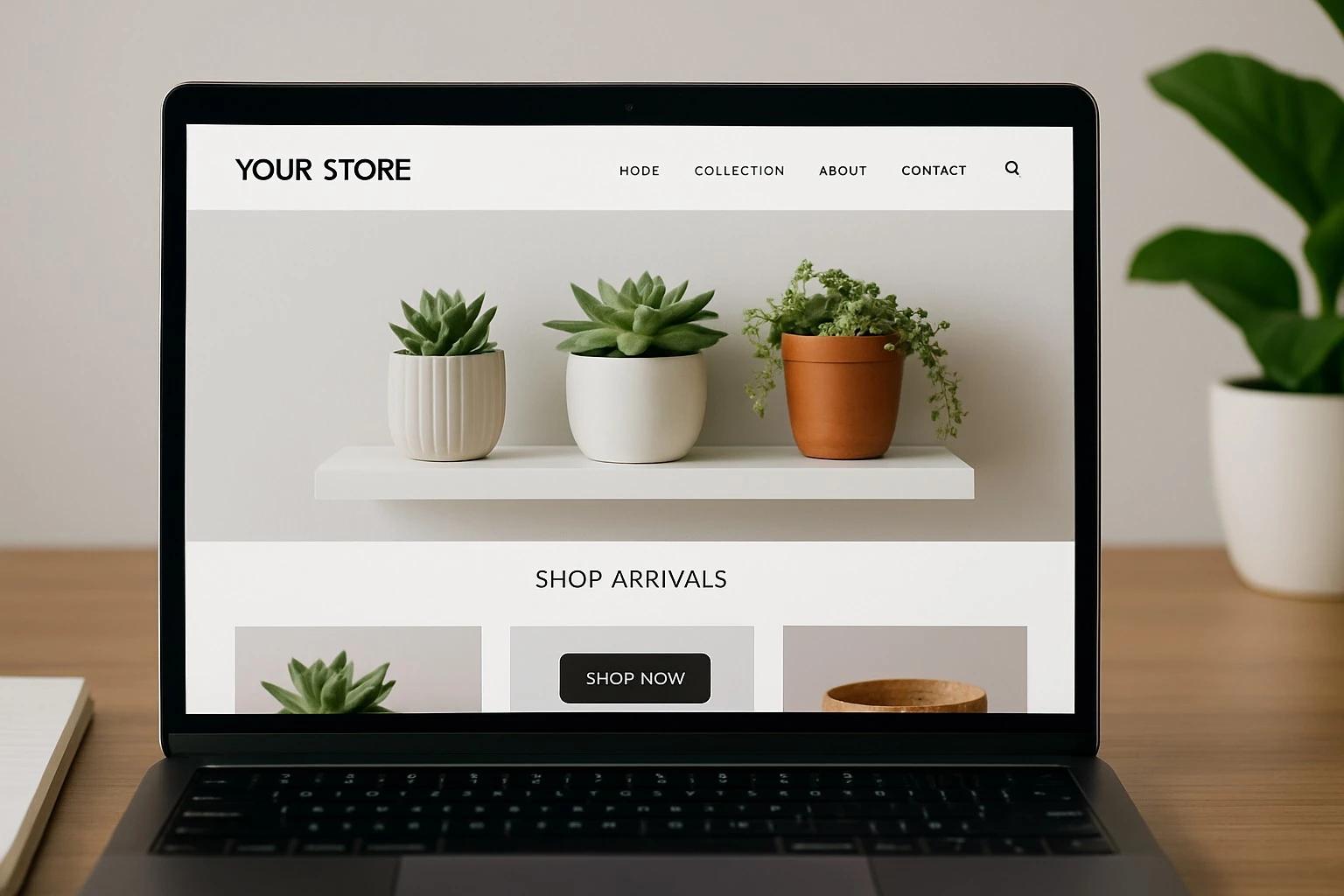
How to Create a Professional Online Store for Dropshipping (Step-by-Step Guide for 2026)
Guide To Setting Up and Optimizing an Online Store for Dropshipping Launching an online store for dropshipping can be a game-changer. With low overhead, scalable operations, and flexibility, it offers an accessible entry point into the world of e-commerce. But creating a professional dropshipping store takes more than simply uploading a few products. If youre new to dropshipping, start with our complete guide on how to start a dropshipping business, which walks through the entire process—from choosing suppliers and building your store to marketing and automation. In this detailed guide, you’ll learn how to build, optimize, and scale a successful dropshipping business in 2026—step by step. 1. Understanding DropshippingUnderstanding the model is the first step, but launching a successful store also requires supplier selection, platform setup, marketing strategy, and operational planning. These steps are explained in our complete guide on how to start a dropshipping business. Dropshipping is a business model where you sell products without holding any inventory. Instead, when a customer places an order, you purchase the item from a third-party supplier who ships it directly to the customer. Why it works:- No warehouse needed- Low upfront investment- Fast to launch- Easy to scale However, success depends on product choice, store design, marketing, and most importantly—reliable suppliers. 2. Niche & Product ResearchChoosing a niche with demand and profitability is the foundation. Here’s how to find it: 1. Use Google Trends to track interest over time2. Spy on competitors using tools like SimilarWeb or SEMrush3. Check forums & subreddits to spot pain points and product ideas4. Evaluate margins, shipping ease, and recurring demand Hot niches in 2026:- Home organization- Pet supplies- Eco-friendly products- Remote work gear- Wellness & recovery tools 🚀 Don’t Build Alone — Build with a Partner.Join thousands of retailers using TopDawg to automate their dropshipping business.[Get Started Free →] 3. Selecting the Right PlatformThe platform you choose defines your store’s functionality and scalability. Platform Pros Cons Shopify Beginner-friendly, app-rich, secure Monthly fees, less flexible backend WooCommerce (WordPress) Fully customizable, open-source, no platform fees Requires more technical skill and setup Go with Shopify if you want a streamlined experience. Choose WooCommerce if you want full control and already use WordPress. 4. Essential Setup StepsSet the foundation for your store: 1. Choose a domain name – Brandable and memorable (e.g. LuxPetStore.com)2. Secure hosting & SSL certificate – Ensure site is secure and fast3. Pick your theme – Clean, mobile-friendly, and easy to customize4. Install essential apps – Review apps for cart recovery, analytics, reviews, and upsells 5. Designing a Professional LookYour store should look like a trusted brand, not a hobby project. Here’s how: - Professional logo – Use Canva or hire a designer- Consistent branding – Colors, fonts, and imagery should align- Homepage structure – Hero banner, benefits, product highlights, testimonials- Fast load time – Optimize images and limit unnecessary scripts- Mobile optimization – Over 70% of traffic comes from mobile devices 6. Adding & Sourcing ProductsWith Chinese suppliers impacted by tariffs and delays, U.S.-based fulfillment partners like TopDawg are the top choice in 2026. Why Choose TopDawg:- U.S. fulfillment – Quick 1–3 day delivery times- Massive catalog – Over 500,000 wholesale items- Inventory sync – Stay up-to-date on stock levels- Easy integration – Works with Shopify, WooCommerce, and more- Private label support – Add your branding to select items When listing products, write detailed descriptions, highlight benefits, and use lifestyle images. Show value through clear pricing and offers like free shipping or discounts. 7. Store Optimization for SalesUse psychological and technical strategies to maximize conversions: - Compelling product titles – Include power words and specifics- Unique descriptions – Focus on use-cases and emotional triggers- High-quality images – Show real-life usage, not just white backgrounds- Social proof – Add product reviews and testimonials- Scarcity techniques – “Limited Stock,” “Only 3 Left!”- Trust badges – Secure checkout, money-back guarantees- Strong CTAs – “Buy Now,” “Get Yours Today,” “Try It Risk-Free” 📦 Discover 500,000+ Dropship-Ready ProductsBrowse TopDawg’s wholesale catalog and find top-selling U.S. inventory today.[View TopDawg’s Catalog →] 8. Payment Gateways & Shipping OptionsOffer multiple options to reduce cart abandonment. Payment processors:- Shopify Payments- PayPal- Stripe- Local payment methods Shipping tips:- Offer free U.S. shipping if possible- Be clear about delivery timeframes- Publish your returns/refunds policy on the footer 9. SEO & Marketing IntegrationMarketing starts with great SEO: - On-page SEO – Optimize titles, URLs, and meta descriptions- Blog content – Answer buyer questions and create gift guides, reviews, or comparisons- Email marketing – Collect emails using popups and send out abandoned cart sequences, discounts, and product recommendations- Social media – Focus on Instagram, TikTok, Pinterest- Paid ads – Use Facebook Ads and Google Shopping for paid acquisition 10. Analytics & Performance TrackingMeasure and adjust. - Google Analytics – Understand user behavior- Meta Pixel / TikTok Pixel – For ad tracking- Hotjar or Lucky Orange – See where users click and drop off- Track KPIs: Conversion Rate (CR), Average Order Value (AOV), Cart Abandonment Rate 11. Launch & Pre‑Launch ChecklistBefore launching live: ✅ Test checkout flow✅ Check speed on mobile✅ Optimize images and product copy✅ Verify payment and tax setup✅ Install cookie and GDPR tools✅ Create email welcome and order confirmations 12. Scaling Your StoreOnce you get traction, scale with: - Email flows – Upsell after purchase, re-target old customers- Bundles & subscriptions – Increase LTV- Affiliate program – Recruit influencers and bloggers- New product launches – Keep catalog fresh- Customer loyalty rewards – Build long-term trust 13. Common Mistakes to Avoid - Poor supplier = poor reviews. Stick to TopDawg or other trusted vendors- Slow site speed kills sales. Use GTMetrix to check- Weak branding and layout = low trust- No marketing strategy = no traffic- Ignoring analytics = missed growth opportunities 14. Tools & Resources Tool Use TopDawg U.S.-based dropshipping supplier with fast shipping & large catalog Canva Design product ads, logos, social media posts Klaviyo / Mailchimp Automate emails, pop-ups, flows PageFly / Shogun Create custom landing and product pages Hotjar / Lucky Orange Visual analytics to understand UX Google Analytics Full performance tracking Shopify Apps Find add-ons for reviews, upsells, SEO & more Related ArticlesHow to Start a Dropshipping Business (Complete 2026 Guide)AliExpress Dropshipping in Trouble? Why Retailers Are Moving to U.S. Suppliers in 2025How to Start Dropshipping on the Walmart Marketplace with TopDawgTop 10 USA-Based Dropshipping Suppliers (Why TopDawg Leads the Pack)How U.S. Tariffs Are Transforming Dropshipping: Essential Insights for RetailersTop Dropshipping Products to Sell in OnlineTopdawgs Product Catalog: Connecting Retailers with Quality Dropshipping ProductsOptimizing Dropshipping Operations for Success: Essential Strategies to Streamline Your BusinessEffective Marketing Strategies – Top 10 Tips for Dropshipping Success ✅ ConclusionCreating a professional dropshipping store in 2026 is more accessible than ever, but success lies in choosing the right tools, partnering with reputable suppliers like TopDawg, and building trust with your audience through exceptional design and service. 🏁 Launch Smarter with TopDawgBuild your online store on a foundation of fast shipping, powerful integrations, and wholesale pricing. [Join Free Today →] Thinking About Starting a Dropshipping Business?If youre planning to launch your store, read our complete guide on how to start a dropshipping business, where we break down the entire process—from choosing suppliers and building your store to automating fulfillment and scaling your ecommerce operation. Starting your online retail venture is not just a dream; its the first step toward building a thriving enterprise. At TopDawg, we empower your journey by providing access to a vast network of reputable wholesale dropshipping suppliers and a diverse range of high-demand products. Our efficient store integrations, streamlined order automation, and reliable shipping solutions are specifically designed to boost your profit margins and simplify your operations. Dont just start a business—launch a successful one with TopDawg by your side! 🖋️ About the Author Darren DeFeo is the CEO of TopDawg, a U.S.-based dropshipping platform helping thousands of retailers streamline their eCommerce operations. With over 20 years of experience in eCommerce operations and innovation, Darren is passionate about helping entrepreneurs build sustainable, scalable online businesses. When he’s not driving growth at TopDawg, Darren focuses on establishing strong partnerships that keep retailers ahead of trends, especially in a rapidly shifting global trade environment. 🔗 Connect with Darren on LinkedIn
Read More
AliExpress Dropshipping in Trouble? Why Retailers Are Moving to U.S. Suppliers in 2025
Is AliExpress Dropshipping in Decline? The Compelling Case for Retailers to Switch to U.S. Suppliers in 2025 For years, AliExpress was the gold standard for budding entrepreneurs and dropshipping retailers due to its low-cost products, wide variety, and ease of access. However, the landscape is rapidly shifting in 2025. With mounting tariffs on Chinese imports, unpredictable shipping times, and increasing dissatisfaction over product quality, many retailers are rethinking their supply chains. In this article, we’ll explore the critical reasons why AliExpress dropshipping is in decline, and why more retailers are transitioning to U.S. dropshipping suppliers that offer faster shipping, more reliable fulfillment, and better automation tools for modern ecommerce retailers. 1. Tariffs Are Crushing the Economics of AliExpress DropshippingOne of the most significant developments reshaping global dropshipping in 2025 is the aggressive tariff policy implemented by the United States government. Tariffs exceeding 120% now apply to many Chinese products, and small parcel shipments under the previous $800 de minimis exemption are no longer duty-free. This means that individual packages—once the lifeblood of AliExpress shipping—are now more expensive than ever to import. Key Impacts: - Higher product costs: Once-cheap items now face substantial import taxes.- Unexpected fees for customers: Orders are being held or delayed due to unpaid duties.- Profit margins are shrinking: Retailers are eating extra costs or risking chargebacks from unhappy customers. Retailers looking to maintain profitability must now consider alternative sourcing strategies that eliminate these costly fees. 2. Unreliable Shipping Times Damage Customer TrustAliExpress shipping has always come with a caveat: patience. Standard delivery times from China to the U.S. could range from 14 to 45 days. But in a post-Amazon Prime world, most customers expect delivery in 3–7 business days—max. Problems with AliExpress Shipping: - Customs delays- Lack of tracking updates- Inconsistent supplier fulfillment- Seasonal disruptions and political tensions In contrast, U.S.-based suppliers with domestic warehouses can offer reliable 2–5 day shipping, often with real-time tracking, seamless returns, and consistent fulfillment practices. 💡 Tired of high tariffs cutting into your profits?Switch to U.S.-based suppliers and protect your margins.🚀 Join TopDawg’s dropshipping platform now. 3. Quality Control is a Persistent IssueAliExpress connects buyers to thousands of Chinese factories and middlemen, but this scale often comes at the cost of consistency. While some sellers deliver high-quality goods, many others ship low-grade, counterfeit, or poorly described items. Consequences of Poor Quality: - Higher return rates- Negative reviews- Customer churn and chargebacks- Brand damage Switching to U.S. suppliers allows retailers to vet product quality, order samples, and ensure better brand representation. Many American dropshipping platforms now emphasize quality assurance and detailed product data. 4. Payment Disputes and Lack of SupportAliExpress doesn’t always offer clear pathways to resolve disputes. Escrow protection can be hit-or-miss, and language barriers or timezone differences often slow down resolution times. Meanwhile, U.S.-based dropshipping platforms like TopDawg offer: - English-speaking support teams- Defined return policies- Chargeback documentation assistance- Supplier accountability systems These advantages can be critical when scaling your business or maintaining a professional relationship with customers. 5. A Growing Pool of U.S.-Based Dropshipping SuppliersIn response to the changing landscape, more American manufacturers and wholesalers are embracing dropshipping. With platforms like TopDawg, Worldwide Brands, and Wholesale2B, U.S.-based dropshipping is now accessible, scalable, and efficient. Advantages of U.S. Suppliers: - Fast and affordable shipping- Reliable stock levels and inventory APIs- Fewer customs complications- Domestic product standards and consumer protection laws This shift also aligns with the "Buy American" movement gaining momentum among conscious consumers. 6. Automation and Integration with Major MarketplacesModern U.S.-based platforms offer API integrations and eCommerce tools that sync effortlessly with Shopify, Walmart Marketplace, Amazon, eBay, and more. This level of automation is rarely found when sourcing directly through AliExpress. Automation Benefits:- Real-time inventory and pricing updates- One-click product importing- Seamless order tracking and fulfillment syncing- Bulk uploads and branded packing slips The time saved through automation allows dropshippers to focus on marketing, scaling, and optimizing their business. 7. Future-Proofing Your BusinessRetailers need to adapt to market conditions. With geopolitical tensions, stricter trade rules, and rising consumer expectations, the days of relying solely on Chinese suppliers for dropshipping are ending. U.S.-based platforms like TopDawg not only offer more reliability but also help build long-term businesses that can scale. Related Articles How to Start Dropshipping on the Walmart Marketplace with TopDawgTop 10 USA-Based Dropshipping Suppliers (Why TopDawg Leads the Pack)How U.S. Tariffs Are Transforming Dropshipping: Essential Insights for RetailersTop Dropshipping Products to Sell OnlineTopdawgs Product Catalog: Connecting Retailers with Quality Dropshipping ProductsOptimizing Dropshipping Operations for Success: Essential Strategies to Streamline Your BusinessEffective Marketing Strategies – Top 10 Tips for Dropshipping SuccessTopDawg: A Leading U.S. Dropshipping CompanyThe Future of Dropshipping: 7 Key Trends Retailers Need to KnowSuccess Stories: Retailers Who Thrived with Dropshipping Conclusion: Make the Shift to Stay CompetitiveAliExpress dropshipping had its golden era, but 2025 is rewriting the rules. Retailers who want to maintain profitability, keep customers happy, and build long-term brand loyalty are turning to U.S.-based dropshipping platforms. With faster shipping, stronger quality control, better support, and insulation from rising tariffs, the advantages are clear. If you’re ready to future-proof your dropshipping business, now is the time to explore U.S.-based suppliers like TopDawg. The shift is happening—don’t get left behind. 🚚 Future-proof your dropshipping business with fast, tariff-free U.S. fulfillment.No customs surprises. No long shipping times. Just results.👇 Sign up and get started today. Interested in Starting a Dropshipping Business?TopDawgs "Ultimate Guide to Launching a Successful Dropshipping Business" is a must-read for anyone considering entering the dropshipping industry. This comprehensive guide provides all the essential information and tools that new dropshippers need to start and grow their businesses successfully. It highlights the importance of selecting a reliable dropshipping partner and utilizing various e-commerce platforms to establish a solid foundation for your online store. With this guide, youll gain the knowledge and resources necessary to start and scale a profitable dropshipping business. Beginning your online retail venture is the first step toward building a thriving business. At TopDawg, we support your growth by offering access to a wide range of wholesale dropshipping suppliers and a variety of dropshipping products. Additionally, we provide seamless store integrations, automated order processing, and effective shipping solutions, all designed to boost your profitability. 🖋️ About the Author Darren DeFeo is the CEO of TopDawg, a U.S.-based dropshipping platform helping thousands of retailers streamline their eCommerce operations. With over 20 years of experience in eCommerce operations and innovation, Darren is passionate about helping entrepreneurs build sustainable, scalable online businesses. When he’s not driving growth at TopDawg, Darren focuses on establishing strong partnerships that keep retailers ahead of trends, especially in a rapidly shifting global trade environment. 🔗 Connect with Darren on LinkedIn
Read More
How to Start Dropshipping on the Walmart Marketplace with TopDawg
A Comprehensive Guide to Dropshipping on the Walmart Marketplace with TopDawg Walmart has rapidly become one of the top online marketplaces for third-party sellers. With millions of monthly visitors and a reputation for low prices and fast delivery, the Walmart Marketplace is an untapped goldmine for eCommerce entrepreneurs. If you’re looking to start dropshipping on Walmart without the hassle of inventory, shipping, or warehouse management, TopDawg is here to make that possible. In this guide, we’ll break down everything you need to know about selling on the Walmart Marketplace using TopDawg’s powerful dropshipping platform. Selling successfully on Walmart requires a clear understanding of the dropshipping model and the responsibilities of the retailer. Before diving into Walmart-specific requirements, it’s important to understand what dropshippers actually do and how professional dropshipping operations are structured. Why Dropship on the Walmart Marketplace?The Walmart Marketplace has experienced explosive growth in recent years. With over 120 million monthly visitors and a growing customer base that values affordability and fast delivery, the Walmart Marketplace continues to grow rapidly, offering sellers access to one of the largest online audiences in the U.S. Benefits of Selling on Walmart:High Traffic ExposureTrusted Brand RecognitionLower Competition Compared to AmazonFewer Seller FeesAccess to Walmart’s Fast Shipping Program (WFS) When paired with a reliable dropshipping platform like TopDawg, the Walmart Marketplace becomes a prime opportunity to grow your online business with minimal overhead. 🏆 TopDawg is proud to be recognized as a Walmart Marketplace Approved Solution Provider — a designation awarded to a select group of companies that meet Walmart Marketplace’s high standards for reliability, compliance, and technical excellence. This recognition reflects TopDawg’s proven ability to deliver seamless integrations, trusted supplier connections, and scalable solutions tailored for success on the Walmart Marketplace. What is TopDawg?TopDawg is a U.S.-based wholesale dropshipping platform that connects retailers with thousands of vetted suppliers. With over 3,000 suppliers and millions of brand-name and niche products, TopDawg simplifies the entire dropshipping process, making it easy to find quality products, sync them with your store, and ship them directly to your customers. Key Features:Seamless integration with the Walmart MarketplaceAutomated inventory sync and order processingReal-time shipping quotes and tracking updatesBranded packing slips for a professional customer experienceNo upfront inventory investment required 📦 Want Fast Shipping & Brand Name Products?TopDawg connects you with thousands of U.S.-based suppliers.Start dropshipping with real-time inventory and auto-fulfillment.✅ Browse the Product Catalog How to Start Dropshipping on Walmart with TopDawg Step 1: Apply for a Walmart Seller AccountBefore you can sell on Walmart, you need to become an approved seller. The application process is more selective than other platforms, but approval brings access to a massive customer base. Requirements:U.S. Business Tax ID (EIN)History of marketplace or eCommerce performanceProducts that comply with Walmart’s policiesApply for a FREE Walmart Marketplace seller account here Step 2: Create a TopDawg AccountHead over to TopDawg.com and create a free Start-Up account. Once inside, you can explore the platform and catalog without any upfront commitment. Heres what you can do: Browse the Catalog: Explore TopDawgs extensive range of products and view basic product details, including the product image, product title, stock availability, and the location it ships from. Access Wholesale Pricing: View the standard wholesale price for all products and compare pricing across all membership levels (Business, Scale, and Premier). Discover Products: Identify products you’d like to list or sell in your store and plan your inventory to determine which products best suit your business needs. Evaluate Membership Benefits: Get a clear view of what’s included in higher-tier membership plans and compare features and pricing to decide which plan aligns best with your business goals. Please note that while the Start-Up plan provides access to wholesale pricing and limited product details, some features like order placement, order management, and detailed product information are reserved for paid membership plans. Upgrade to a Business, Scale, or Premier plan to:Add products to your import listSync with the Walmart MarketplacePlace and manage customer orders Step 3: Connect Your Walmart Store to TopDawgAfter youre approved as a Walmart seller: Log in to your TopDawg accountNavigate to your dashboardClick "Connect Existing Store" under the Walmart iconAuthorize access using your Walmart credentialsThis enables real-time product sync, automated order forwarding, and tracking number updates. Step 4: Add Products to Your Import ListBrowse TopDawg’s vast catalog of wholesale products and select those that best fit your niche. Filter by category, shipping location, cost, or availability. Click "Add to Import List" for the products you want to list in your Walmart store. Step 5: Sync Products to Your Walmart StoreOnce products are in your Import List, select the ones you want to publish and click "Add to Store." You can: - Adjust retail prices and profit margins- Add products one at a time or in bulk to your store TopDawg handles the rest. Step 6: Fulfill Orders AutomaticallyWhen a customer places an order on Walmart, TopDawg instantly receives the order information and processes it through the appropriate supplier. You don’t need to hold inventory or ship anything yourself. Once the product is shipped, tracking info is synced back to your Walmart store. At scale, Walmart sellers rely on automation, supplier accountability, and centralized systems to maintain performance standards and avoid operational breakdowns. 🚀 Ready to Start selling on Walmart Marketplace using TopDawg’s inventory-free fulfillment solution?Sign up for your free TopDawg account and start syncing products to your Walmart store today.👉 Create Your Account Now Best Practices for Walmart DropshippingTo succeed on Walmart, keep the following best practices in mind: 1. Focus on Fast Shipping ProductsWalmart customers expect quick delivery. Prioritize suppliers who ship from the U.S. with fast delivery times. 2. Maintain Competitive PricingUse TopDawg’s pricing tools to ensure your retail prices are competitive while still generating profit. 3. Monitor Inventory RegularlyTopDawg auto-syncs inventory, but it’s still smart to monitor your bestsellers and plan accordingly. 4. Provide Great Customer ServiceTimely communication, fast shipping, and accurate tracking information lead to better reviews and higher seller scores. Many Walmart sellers struggle not because dropshipping is prohibited, but because they misunderstand marketplace dropshipping rules and fulfillment responsibilities. Related ArticlesDropshippers Explained: What Dropshippers Do, How They Make Money, and How to Succeed in 2026Top 10 USA-Based Dropshipping Suppliers (Why TopDawg Leads the Pack)How U.S. Tariffs Are Transforming Dropshipping: Essential Insights for RetailersTop Dropshipping Products to Sell OnlineTopdawgs Product Catalog: Connecting Retailers with Quality Dropshipping ProductsOptimizing Dropshipping Operations for Success: Essential Strategies to Streamline Your BusinessEffective Marketing Strategies – Top 10 Tips for Dropshipping SuccessThe Future of Dropshipping: 7 Key Trends Retailers Need to KnowSuccess Stories: Retailers Who Thrived with DropshippingHow to Start a Dropshipping Business: A Complete Guide ConclusionWalmart Marketplace is one of the fastest-growing eCommerce platforms, and with TopDawg’s seamless dropshipping integration, it’s never been easier to tap into that growth. Whether you’re an experienced eCommerce seller or just starting out, TopDawg removes the roadblocks of inventory, warehousing, and fulfillment so you can focus on growing your business. Now’s the time to expand your reach, diversify your sales channels, and start dropshipping on the Walmart Marketplace with confidence. 🔥 Don’t Miss Out on Walmart’s eCommerce BoomTopDawg makes it simple to sell on Walmart Marketplace with no inventory, no hassle.Set up your store and start earning today.👉 Get Started with TopDawg 🖋️ About the Author Darren DeFeo is the CEO of TopDawg, a U.S.-based dropshipping platform helping thousands of retailers streamline their eCommerce operations. With over 20 years of experience in eCommerce operations and innovation, Darren is passionate about helping entrepreneurs build sustainable, scalable online businesses. When he’s not driving growth at TopDawg, Darren focuses on establishing strong partnerships that keep retailers ahead of trends, especially in a rapidly shifting global trade environment. 🔗 Connect with Darren on LinkedIn
Read More

Top 10 U.S.-Based Dropshipping Suppliers for 2026 (Ranked & Compared)
Why U.S.-Based Dropshipping Is Winning in 2026 In 2026, dropshipping success is no longer about chasing the lowest product cost — it’s about speed, reliability, and control over your supply chain. After years of global shipping disruptions, tariff uncertainty, rising return rates, and customers conditioned by Amazon Prime–level delivery expectations, many retailers are reassessing their supply chains and prioritizing domestic fulfillment — a shift closely tied to how U.S. trade policies and tariffs are reshaping modern dropshipping. The advantages are clear: - Faster delivery (2–5 business days)- No customs delays or surprise tariffs- Higher product quality and data accuracy- Easier returns and fewer chargebacks- Better customer satisfaction and repeat purchases This guide ranks the 10 best U.S.-based dropshipping suppliers for 2026, based on real-world criteria that matter to modern retailers — with a detailed breakdown of why TopDawg leads the pack. For a deeper breakdown of the platforms, supplier models, and automation tools shaping the industry, see our complete guide to U.S. dropshipping suppliers. Before comparing suppliers, it’s important to understand what dropshippers actually do and how responsibility is divided between retailers and fulfillment partners. How We Evaluated the Best U.S. Dropshipping SuppliersEach supplier in this list was evaluated using a consistent framework designed for 2026 eCommerce realities: 1. U.S.-Based FulfillmentWarehouses located in the United States with reliable domestic shipping timelines. 2. Inventory Accuracy & AutomationReal-time stock syncing and automated order routing reduce overselling risk and operational errors, which is why automation has become essential for scalable dropshipping operations. 3. Platform & Marketplace IntegrationsShopify, Amazon, Walmart, eBay, WooCommerce, APIs, and multi-channel compatibility. 4. Product Catalog Depth & QualityPlatforms with verified suppliers and consistent product data are better positioned to support long-term growth and reduce return-related friction. 5. Shipping TransparencyAccess to real carrier rates or accurate shipping estimates. 6. Scalability & Retailer SupportAbility to support growth without operational bottlenecks. Many retailers overlook these criteria early on, which often leads to the same operational issues that explain why most dropshipping businesses fail. 🥇 1. TopDawg — Best Overall U.S. Dropshipping Supplier for 2026 Website: https://topdawg.comHeadquarters: Fort Lauderdale, FloridaShips From: 100% U.S.-based warehouses TopDawg ranks #1 in 2026 because it delivers what most platforms only promise: a fully domestic, fully automated dropshipping ecosystem built specifically for U.S. retailers. TopDawg connects over 20,000 retailers with 3,000+ verified U.S. suppliers, offering access to 500,000+ wholesale products across major consumer categories — all fulfilled from U.S. warehouses. → Key Capabilities: - 100% U.S.-based supplier network- Real-time inventory syncing- Automated order processing- Live shipping estimates via USPS, UPS, and FedEx- Branded packing slips (Scale & Premier plans)- Marketplace and platform integrations Integrations Supported:Shopify, Amazon, Walmart, eBay, WooCommerce, and custom-built stores via API. Why TopDawg Leads the Pack 1. Unlike hybrid platforms that mix domestic and overseas suppliers, TopDawg is U.S.-only by design. 2. TopDawg’s platform is built around a fully domestic supplier network, allowing retailers to maintain greater control over fulfillment speed, inventory accuracy, and customer experience. 3. This focus eliminates many of the operational risks that slow down growth — including long delivery windows, customs issues, and inconsistent supplier quality. 4. These capabilities are essential for retailers who want to scale without burnout as order volume and platform complexity increase. Best For:Retailers who want a scalable, U.S.-first dropshipping platform with automation, reliability, and long-term brand control. 🥈 2. Spocket — Best for Beginner-Friendly U.S. ProductsSpocket is widely used within the Shopify ecosystem and offers a curated mix of U.S. and EU-based suppliers. Its clean interface and simple onboarding make it appealing for newer sellers. Pros- Easy-to-use dashboard- Strong Shopify integration- Good product photography Cons- Smaller catalog than enterprise platforms- Limited advanced automation Best For:New Shopify sellers prioritizing ease of use and fast setup. 🥉 3. Inventory Source — Best for Advanced AutomationInventory Source focuses on deep automation rather than pre-aggregated catalogs. Retailers connect directly with individual suppliers and control workflows at a granular level. Pros- Advanced automation rules- Supplier-level control- API-friendly architecture Cons- More technical setup- Less beginner-friendly Best For:Experienced or high-volume sellers who need advanced automation and customization. 4. Modalyst — Best for Fashion & ApparelModalyst is popular among fashion-focused sellers and offers access to boutique and designer brands. While fulfillment sources are mixed, U.S.-based filters are available. Best For:Fashion, apparel, and accessory retailers with strong visual branding. 5. Wholesale2B — Best for Product VarietyWholesale2B aggregates products from many suppliers, including U.S.-based vendors. Quality and fulfillment speed depend on the individual supplier selected. Best For:Retailers who want broad product selection and multi-channel flexibility. 6. Printful — Best for Print-on-DemandPrintful specializes in print-on-demand products fulfilled from U.S. facilities, including apparel, accessories, and custom merchandise. Best For:Creators and brands selling custom or personalized products. 7. Sunrise Wholesale — Best Long-Running U.S. SupplierSunrise Wholesale is a long-established U.S. dropshipping supplier offering general merchandise and integrated tools for popular platforms. Best For:Retailers seeking a traditional U.S. dropshipping partner with strong support. 8. Megagoods — Best for Electronics NichesMegagoods focuses on consumer electronics and gaming accessories, shipping quickly from U.S. warehouses. Best For:Retailers selling electronics and tech-related products. 9. CJdropshipping — Best Hybrid U.S./China FulfillmentCJdropshipping offers a massive global catalog with select U.S. warehouse options. While versatile, most products still ship from overseas. Best For:Retailers needing global variety or private-label sourcing alongside some U.S. fulfillment. 10. AutoDS — Best Automation ToolsetAutoDS is primarily an automation platform that connects retailers to multiple suppliers, including U.S.-based warehouses. Best For:Sellers managing bulk listings and multi-supplier automation workflows. U.S. vs Overseas Dropshipping in 2026: What Retailers Need to KnowRetailers moving away from China-based dropshipping cite common challenges: - 10–25 day delivery windows- Customs delays and return friction- Rising tariffs on small parcels- Inconsistent product quality U.S.-based suppliers offer clear advantages: - Faster delivery (2–5 days)- Easier returns and refunds- Higher conversion rates- Lower dispute and chargeback risk For long-term brands, domestic fulfillment is no longer optional — it’s a competitive requirement. These structural advantages explain why domestic sourcing continues to appear as a core theme in broader discussions about the future of dropshipping and eCommerce fulfillment. For many growing retailers, choosing a wholesale dropshipping platform with automation and supplier accountability has become a prerequisite for long-term success. Final Thoughts: Why U.S. Dropshipping Will Dominate 2026The era of unpredictable, weeks-long shipping times is ending for retailers who want to stay competitive. In 2026, winning brands are built on: - Speed- Reliability- Trustworthy fulfillment partners Among the platforms evaluated, TopDawg stands out as one of the only solutions built entirely around verified U.S.-based suppliers, fast domestic fulfillment, and automation designed for scale. Retailers looking to build sustainable brands in 2026 increasingly rely on platforms that combine U.S.-based fulfillment with automation, transparency, and long-term scalability. 👉 Try TopDawg for FREE and explore the U.S. supplier catalog Related ArticlesHow U.S. Tariffs Are Transforming Dropshipping: Essential Insights for RetailersTop Dropshipping Products to Sell OnlineTopdawgs Product Catalog: Connecting Retailers with Quality Dropshipping ProductsOptimizing Dropshipping Operations for Success: Essential Strategies to Streamline Your BusinessEffective Marketing Strategies – Top 10 Tips for Dropshipping SuccessThe Future of Dropshipping: 7 Key Trends Retailers Need to KnowSuccess Stories: Retailers Who Thrived with DropshippingHow to Start a Dropshipping Business: A Complete GuideBenefits of Using a Wholesale Dropshipping Platform
Read More
How U.S. Tariffs Are Transforming Dropshipping: Essential Insights for Retailers
How U.S. Tariffs Are Changing Dropshipping Forever: What Retailers Must Know About AliExpress, Temu, and TopDawg In 2025, eCommerce and dropshipping are undergoing significant disruptions due to new U.S. government tariffs on small parcel shipments from China and Hong Kong. These changes, effective May 2, 2025, include: 1. Elimination of the De Minimis Exemption: The U.S. has ended the de minimis exemption for goods imported from China and Hong Kong. Previously, this allowed duty-free entry for shipments valued at $800 or less. 2. New Duty Rates for Postal Shipments:From May 2 to May 31, 2025: Shipments are subject to either a 120% ad valorem duty or a flat fee of $100 per item, whichever is higher.Starting June 1, 2025: Carriers must choose one of two duty collection methods for all small parcel shipments from China and Hong Kong:– a flat fee of $200 per item, or– a 120% ad valorem duty based on the item’s value.Once a method is selected, it must be applied consistently to all shipments for the entire month. The importer or customer has no control over which method is used, and whichever method is selected will determine the final cost — even if the alternative would have resulted in a higher or lower fee. 3. Carrier Responsibilities: Carriers transporting these postal items must collect and remit the appropriate duties to U.S. Customs and Border Protection (CBP). They are required to apply the same duty collection method (either ad valorem or flat fee) to all shipments they deliver and may change their chosen method monthly with prior notice to CBP. 4. Stricter Enforcement Measures: There is increased enforcement of origin labeling and customs inspections to ensure compliance with the new regulations. These policy changes are part of a broader effort to address concerns over illicit goods and to ensure fair trade practices. They significantly impact eCommerce operations, particularly for businesses relying on low-cost imports from China and Hong Kong. For eCommerce retailers who depend on platforms like AliExpress, Temu, AliDrop, and similar China-based suppliers, this could be a breaking point. The additional cost, combined with long shipping times and stricter customs inspections, will make the traditional China-to-U.S. dropshipping model nearly unsustainable. 🔎 Expert Insight: What Will Carriers Choose?One overlooked piece of this tariff enforcement is how carriers will respond. Each month, they must choose to apply either a flat fee (e.g., $200 per shipment) or a 120% ad valorem duty across all small parcel shipments from China and Hong Kong. This choice could dramatically affect shipping costs — especially for lower-value goods.➡️ Budget-focused carriers like USPS may choose the 120% method to soften the impact for low-cost products.➡️ Express carriers like FedEx or DHL may lean toward the flat fee to limit liability on high-value items.⚠️ The problem? Retailers and consumers have no control over which method is chosen, and the result may be wildly inconsistent pricing.This uncertainty makes U.S.-based fulfillment models — like TopDawg’s — even more attractive. No guesswork. No hidden costs. No customs surprises. Understanding the New Tariffs on Chinese ImportsLet’s break down what’s changing and why it matters for anyone running or starting a dropshipping business in 2025. What Was the De Minimis Rule?Previously, packages valued under $800 entering the U.S. were exempt from customs duties. This allowed companies like AliExpress and Temu to ship low-cost products without triggering taxes or scrutiny. What Has Changed?As of May 2, 2025, the U.S. government has eliminated the de minimis exemption for goods imported from China and Hong Kong. This means:1. All parcels, regardless of value, are now subject to import duties2. From May 2 to May 31, the duty is $100 per item or 120% of the item’s value, whichever is greater3. On June 1, 2025, the duty increases to $200 per item or 120% ad valorem This move follows a formal declaration by the Secretary of Commerce that systems are now in place to properly collect duties on such shipments. Why Is This Happening?The goal of these tariffs is to protect American manufacturers and domestic eCommerce by discouraging reliance on cheap, overseas goods. The U.S. government is responding to concerns over: 1. Unfair pricing from state-subsidized Chinese companies2. Environmental standards3. National security implications of foreign eCommerce dominance Who Is Affected Most? 1. AliExpress & Temu SellersDropshippers using these platforms are the most impacted. Their business model relies on: a. Low-cost, low-margin goodsb. Direct-from-China fulfillmentc. Minimal regulation These businesses will now face: a. Hefty import costsb. Slower delivery due to customs delaysc. Increased refund requests from frustrated customers 2. U.S. Retailers Using AliDrop or DSersIf you’re using plugins to source products from AliExpress to Shopify, WooCommerce, or Wordpress, you’ll see: a. Declining product competitivenessb. Margin compressionc. Increased cart abandonment rates 3. End ConsumersBuyers who once paid $2 for earbuds with free shipping may now face: a. $100–$200+ duty feesb. 3 to 6 week delivery windowsc. Poor tracking visibility Why U.S.-Based Dropshipping Is the FutureWith these changes, U.S.-based dropshipping platforms like TopDawg are becoming the clear choice for retailers who want to: 1. Avoid tariffs2. Offer faster delivery3. Keep customers happy4. Build a sustainable brand 🚀 Ready to Future-Proof Your Dropshipping Business?Work with a trusted U.S.-based dropshipping supplier and avoid the uncertainty of overseas tariffs and shipping delays.👉 Start Free with TopDawg and gain instant access to 500,000+ wholesale products, fast U.S. shipping, and seamless store integrations. What Makes TopDawg Different? ✅ 100% U.S.-based suppliers (no tariffs or customs delays)🚚 Fast shipping via UPS, USPS, and FedEx📅 Real-time inventory and pricing updates⚙️ Automated integrations with Shopify, Walmart, eBay, and Amazon.⚡ 20,000+ retailers and 3,000+ suppliers TopDawgs Strategic Advantages 1. Zero import risks2. Transparent pricing3. Better product reliability4. Branded packing slips to help retailers stand out What Retailers Should Do NowIf youre currently sourcing from Chinese suppliers, now is the time to pivot. Heres how: 1. Migrate Your Product CatalogStart moving your SKUs to U.S.-based options. TopDawg makes this easy with access to a U.S.-based product catalog, intuitive dashboard tools, and real-time syncing. 2. Re-evaluate Your Pricing StrategyNew tariffs mean your old pricing model no longer works. Focus on higher-margin, domestic products. 3. Communicate with Your CustomersSet new expectations about shipping times, returns, and availability. Customers will appreciate transparency. 4. Leverage Platforms Like TopDawgUse automation, analytics, and integrations to simplify operations and scale. Conclusion: The Future of Dropshipping is Local The upcoming tariff enforcement is a wake-up call for retailers who depend on global suppliers. While it may feel disruptive, it also signals the beginning of a more stable, scalable, and sustainable eCommerce model. Platforms like TopDawg are built to thrive in this environment. By leveraging domestic suppliers, fast shipping, and automation, TopDawg gives retailers a serious competitive edge.Don’t wait until your margins disappear or your customers complain. Now is the time to switch to a U.S.-based dropshipping platform and future-proof your business. Related ArticlesTop 10 USA-Based Dropshipping Suppliers (Why TopDawg Leads the Pack)Top Dropshipping Products to Sell OnlineTopdawgs Product Catalog: Connecting Retailers with Quality Dropshipping ProductsOptimizing Dropshipping Operations for Success: Essential Strategies to Streamline Your BusinessEffective Marketing Strategies – Top 10 Tips for Dropshipping SuccessThe Future of Dropshipping: 7 Key Trends Retailers Need to KnowSuccess Stories: Retailers Who Thrived with DropshippingBenefits of Using a Wholesale Dropshipping Platform Interested in Starting a Dropshipping Business?If youre considering starting a dropshipping business, be sure to check out TopDawg’s “Ultimate Guide to Launching a Successful Dropshipping Business.” This comprehensive guide is designed to equip new dropshippers with the knowledge and tools needed to effectively start and grow their businesses. By covering various e-commerce platforms and highlighting the importance of selecting a reliable dropshipping partner like TopDawg, the guide provides a strong foundation for launching a successful dropshipping venture and building a profitable online store. Starting your online retail journey can pave the way for a successful business. At TopDawg, we support your growth by connecting you with a growing network of U.S.-based dropshipping suppliers and a wide range of dropshipping products. Additionally, we provide strong store integrations, streamlined order automation, and efficient shipping tools, all aimed at improving your profit margins. 🖋️ About the Author Darren DeFeo is the CEO of TopDawg, a U.S.-based dropshipping platform helping thousands of retailers streamline their eCommerce operations. With over 20 years of experience in eCommerce operations and innovation, Darren is passionate about helping entrepreneurs build sustainable, scalable online businesses. When he’s not driving growth at TopDawg, Darren focuses on establishing strong partnerships that keep retailers ahead of trends, especially in a rapidly shifting global trade environment. 🔗 Connect with Darren on LinkedIn
Read More
1-20 On 40+ Results
What You Need To Get Started
To create an account, you only need a valid email address.
No credit card required. Start dropshipping today!