BLOG
From Start-Up to Scale-Up: How to Grow a Dropshipping Business in 2026
By Darren DeFeo | Updated on March 1, 2026

Proven Strategies to Turn a New Store into a Scalable eCommerce Business
Starting a dropshipping business is easier than ever—but scaling it into a profitable, sustainable operation is where most retailers struggle.
While many guides focus on how to launch, far fewer explain what happens next: how to grow, optimize, and scale your store into a real business.
If you’re just getting started, follow our step-by-step guide on how to start a dropshipping business to build your foundation. Once your store is live, the next phase is all about growth and scaling your operations efficiently.
In this guide, we’ll break down exactly how to move from start-up to scale-up using proven strategies, automation, and modern eCommerce tools, including systems that power how dropshipping orders actually work from checkout to delivery.
Build a Strong Foundation Before You Scale
Scaling too early is one of the biggest mistakes in dropshipping. Before you grow, your fundamentals must be solid.
Validate Your Product and Market Fit
Not every product is worth scaling. Focus on:
- Consistent sales (not one-off spikes)
- Strong customer demand
- Acceptable margins after shipping and fees
Winning products should show repeatability—not just short-term success. If you're still identifying what to sell, explore our guide on how to find winning dropshipping products to validate demand and avoid costly mistakes.
Optimize Your Store for Conversions
Before driving more traffic, make sure your store converts.
Focus on:
- Fast load times
- Mobile-friendly design
- Clear product descriptions and a clear understanding of how dropshipping fulfillment and order processing works behind the scenes
- Trust signals (reviews, policies, shipping times)
Even small improvements in conversion rate can dramatically increase revenue at scale.
Establish a Clear Brand Position
A strong brand separates scalable businesses from short-term stores.
Your brand should clearly communicate:
- Who you serve
- What problem you solve
- Why customers should trust you
This becomes even more important as competition increases. Many successful brands build their positioning around reliable fulfillment and product quality, often working with reliable U.S.-based dropshipping suppliers to deliver a better customer experience.
Growth Phase: Increase Traffic, Sales, and Efficiency
Once your foundation is in place, the next step is controlled growth.
Expand Your Marketing Channels
Avoid relying on a single traffic source.
Successful dropshipping businesses use:
- Paid ads (Meta, Google)
- Organic SEO content, such as blog articles that help answer common questions like how dropshipping orders work from checkout to delivery
- Social media marketing
- Email and SMS campaigns
Diversification reduces risk and increases long-term stability. For a deeper breakdown of traffic strategies, explore our guide to social media marketing for dropshipping businesses and how to consistently drive targeted traffic to your store.
Improve Key Performance Metrics
Scaling isn’t just about more sales—it’s about better numbers.
Focus on:
- Conversion rate (CVR)
- Average order value (AOV)
- Customer acquisition cost (CAC)
- Customer lifetime value (LTV)
Improving these metrics allows you to scale profitably—not just grow revenue.
Understanding how your pricing, shipping costs, and supplier relationships impact these metrics is critical, especially when working within a dropshipping business model that relies on efficiency and margin control.
Strengthen Customer Experience
As order volume increases, so do expectations.
To scale successfully:
- Provide fast, reliable shipping
- Communicate clearly with customers
- Resolve issues quickly
Better experiences lead to repeat purchases and stronger brand trust. Many retailers improve customer satisfaction by working with reliable U.S. dropshipping suppliers that offer faster shipping and consistent fulfillment.
Scaling Phase: Build Systems That Grow with You
This is where your business transitions from a side project to a real operation.
Expand Your Product Catalog Strategically
Add products that:
- Complement your existing niche
- Increase average order value
- Meet proven demand
Avoid random expansion—focus on strategic growth. Use data-driven insights and proven strategies to identify high-demand, high-margin dropshipping products that align with your niche.
Leverage Automation and Integration
Manual processes don’t scale.
Automation allows you to:
- Sync inventory in real time
- Route orders automatically to suppliers
- Update tracking and order status
- Reduce operational errors especially when using systems that automate how dropshipping order fulfillment works from checkout to delivery
This is one of the biggest differences between small stores and scalable businesses.
Many retailers achieve this by using platforms that integrate directly with their store, such as a Shopify dropshipping automation solution or a WooCommerce dropshipping integration, enabling real-time syncing and hands-free order fulfillment.
Sell Across Multiple Channels
Relying on a single platform limits growth.
Consider expanding to:
- Shopify (your main store)
- Amazon dropshipping integration
- Walmart dropshipping integration
- eBay
Multi-channel selling increases visibility, revenue streams, and resilience.
Prioritize Reliable U.S.-Based Suppliers
As you scale, supplier quality becomes critical.
Working with verified U.S.-based dropshipping suppliers provides:
- Faster shipping times
- Lower return rates
- Higher customer satisfaction
- More predictable operations
This directly impacts your ability to grow sustainably.
How TopDawg Helps You Scale Faster
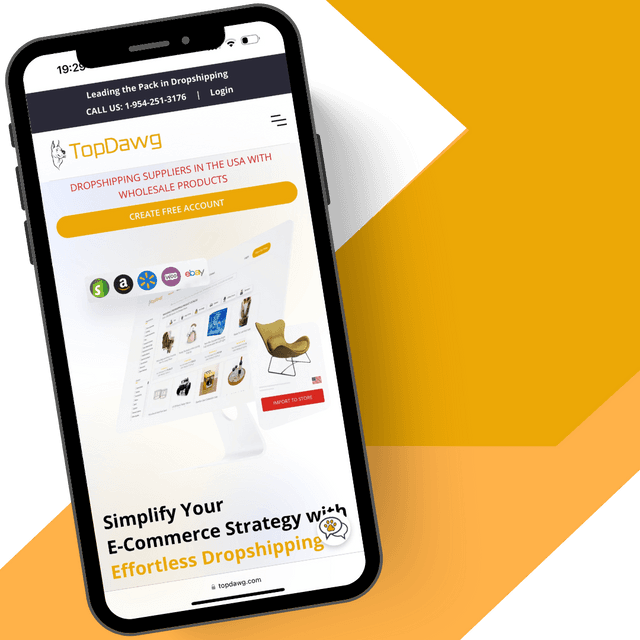
Scaling a dropshipping business requires the right infrastructure—and that’s where TopDawg comes in. By combining automation, verified U.S.-based suppliers, and multi-channel integrations, TopDawg helps retailers streamline operations and scale more efficiently.
TopDawg helps retailers move from start-up to scale-up by providing:
- Access to thousands of U.S.-based dropshipping suppliers
- Over 500,000 dropshipping products across multiple categories
- Automated inventory syncing and order routing through a centralized dropshipping automation platform
- Seamless integrations with platforms like Shopify, Amazon, and Walmart, enabling retailers to expand across multiple sales channels
- Faster shipping through U.S. distribution networks
This combination of supplier access, automation, and integrations allows retailers to focus on growth instead of manual operations—one of the key differences between a start-up store and a scalable eCommerce business.
By combining supplier access with automation, TopDawg eliminates many of the bottlenecks that prevent retailers from scaling.
Common Mistakes That Prevent Scaling
Avoid these common pitfalls:
- Scaling too early without validation
- Relying on a single traffic source
- Ignoring profit margins
- Working with unreliable suppliers
- Managing operations manually
Fixing these issues early can significantly accelerate your growth.
Conclusion: From Start-Up to Scalable Business
Scaling a dropshipping business isn’t about luck—it’s about systems, strategy, and execution.
By building a strong foundation, improving key metrics, and leveraging automation and reliable suppliers, you can transform your store into a scalable eCommerce business.
If you haven’t launched yet, start with our complete guide on starting a dropshipping business step-by-step to build your foundation the right way.
Once you’re ready to grow, apply the strategies in this guide to scale with confidence.
Ready to Start or Scale Your Dropshipping Business?
If you're just getting started, begin with our complete guide on how to start a dropshipping business the right way.
If you're ready to scale, TopDawg provides the tools, suppliers, and automation you need to grow faster and more efficiently.
👉 Explore TopDawg’s dropshipping platform and start building a scalable, automated eCommerce business today.
Continue learning with these guides to further optimize, grow, and scale your dropshipping business.
Related Articles
Social Media Marketing for Dropshipping Businesses
How to Start a Dropshipping Business (Step-by-Step Guide)
How to Find Winning Dropshipping Products
High-Profit Dropshipping Products to Sell
Benefits of Using U.S.-Based Dropshipping Suppliers
Best Dropshipping Platforms for Scaling
TopDawg: A Leading U.S. Dropshipping Platform
🖋️ About the Author
Darren DeFeo is the CEO of TopDawg, a U.S.-based dropshipping platform that helps thousands of retailers streamline eCommerce operations with verified American suppliers and automated fulfillment. With 20+ years in digital commerce and product innovation, Darren focuses on building sustainable growth systems that help entrepreneurs scale with confidence.
When he’s not leading TopDawg, Darren is cultivating partnerships that keep retailers ahead of market shifts — especially in logistics, automation, and the evolving U.S. trade landscape.
Frequently Asked Questions
Additional Resources






Create a Free Account to Get Started
Creating a free account only requires a valid email address, with no credit card needed.