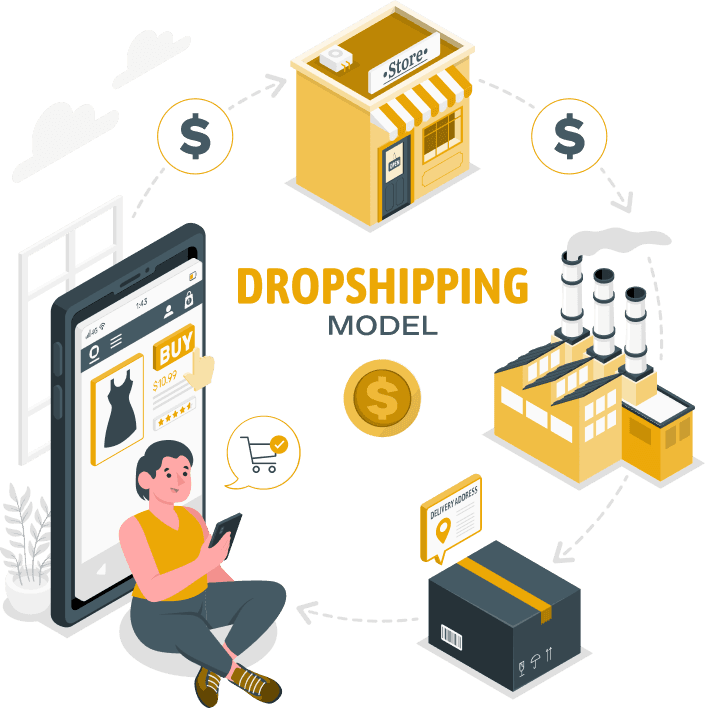
Starting a dropshipping business becomes much simpler when broken into a clear framework. Follow these seven essential steps to launch and grow successfully.
Most beginners can complete these seven steps within 2-4 weeks with a startup investment of $500–$2,000.
Starting a dropshipping business is often promoted as “low cost,” but understanding realistic startup expenses helps you plan properly. While costs vary depending on your niche, platform, and marketing strategy, most beginners can launch with a modest investment. Below is a breakdown of typical startup costs:
Forming an LLC is optional but recommended for liability protection and long-term scalability.
Your platform choice impacts ongoing costs and flexibility.
Many beginners start lean and upgrade tools as revenue grows.
Marketing is where most new dropshipping businesses underestimate costs.
A small test budget allows you to validate products before scaling aggressively.
With dropshipping, you only pay for products after a customer places an order. However, supplier platforms or integrations may have subscription fees depending on the services offered.
Working with reliable suppliers helps reduce returns, delays, and chargebacks — which can save significant money long-term.
If you're evaluating sourcing platforms, review our comparison of leading Dropshipping Companies in the USA to understand your options.
For most beginners:
This range covers business registration, ecommerce platform, basic tools, and an initial marketing test budget.
Entrepreneurs who start lean and reinvest profits often scale gradually without large upfront risk.
Starting a dropshipping business is relatively simple — but long-term success depends on avoiding common beginner mistakes. Many new entrepreneurs fail not because the model doesn't work, but because of preventable missteps.
Below are the most common mistakes and how to avoid them.
Many beginners chase viral products without evaluating long-term demand. Highly saturated items often lead to price wars and shrinking margins. Instead, focus on niches with consistent demand and room for differentiation.
How to avoid it: Research search volume, competitor pricing, and customer reviews before adding products.
Slow shipping and poor product quality lead to refunds, disputes, and negative reviews. Supplier performance directly affects your brand reputation.
How to avoid it: Work with verified suppliers and understand expected shipping times before listing products.
Many new dropshippers assume sales will happen automatically. In reality, traffic requires investment — either through paid ads, SEO, or content marketing.
How to avoid it: Set aside a realistic test budget ($300-$1,000) to validate products before scaling.
Competing only on price often eliminates profit. Platform fees, payment processing, returns, and ad spend all impact margins.
How to avoid it: Aim for minimum gross margins of 20-30% and adjust pricing based on performance data.
Operating without proper business registration or sales tax compliance can create serious problems as revenue grows.
How to avoid it: Register your business, apply for required permits, and understand your tax obligations early.
Thin descriptions, low-quality images, and unprofessional branding reduce trust and conversion rates.
How to avoid it: Invest time in writing detailed product descriptions, adding FAQs, and building a clean, trustworthy storefront.
Dropshipping is not a “get rich quick” model. Most stores require testing, optimization, and consistent marketing before becoming profitable.
How to avoid it: Plan for 2-6 weeks of testing before expecting consistent sales.
Final Thought
Avoiding these common mistakes dramatically increases your chances of building a sustainable and profitable dropshipping business. The right preparation, supplier selection, and marketing strategy can separate successful stores from short-lived experiments.
One of the most common questions beginners ask is how quickly they can launch and begin making sales. The timeline depends on preparation, product research, and how aggressively you market your store.
Below is a realistic timeline for most new dropshippers:
This stage focuses on building a solid foundation before investing in products or advertising.
By the end of Week 2, your store should be functional and ready for traffic.
This is typically when first sales occur if marketing is executed properly.
Many dropshipping businesses begin generating consistent sales within 2-6 weeks, though profitability depends on niche selection, margins, and marketing strategy.
Realistic Expectations
While some entrepreneurs launch in just a few days, building a sustainable dropshipping business usually takes several weeks of research, testing, and optimization. Patience and data-driven decision-making significantly improve long-term results.
Choosing the right niche is one of the most important decisions when starting a dropshipping business. While demand shifts regularly, certain product categories consistently perform well for new and experienced dropshippers alike.
Bluetooth speakers, smart watches, and home security gadgets remain top sellers.
Evergreen niches such as t-shirts, hoodies, yoga wear, and accessories attract consistent buyers.
Skincare, haircare, and eco-friendly cosmetic products remain strong performers.
Furniture, décor, and home office products benefit from ongoing demand in online shopping.
Items like pet toys, cameras, and wellness supplies continue to see rising sales.
Resistance bands, supplements, and lifestyle products appeal to a health-conscious market.
Personalized and minimalist jewelry remains a reliable seller across demographics.
Discreet, high-demand products driving repeat sales in the booming wellness market.
Horse tack, grooming gear, and ranch supplies for steady niche demand.
Car care, parts, and marine gear popular with U.S. drivers and hobbyists.
Toys, puzzles, and learning supplies bought year-round by parents and gift buyers.
Balloons, décor, and event supplies fueling consistent, high-volume sales.
Tools that streamline product research, pricing, and order fulfillment give retailers a competitive edge.
Consumers increasingly seek eco-friendly products and packaging, rewarding brands that prioritize transparency.
Optimizing the shopping experience for mobile devices is now essential.
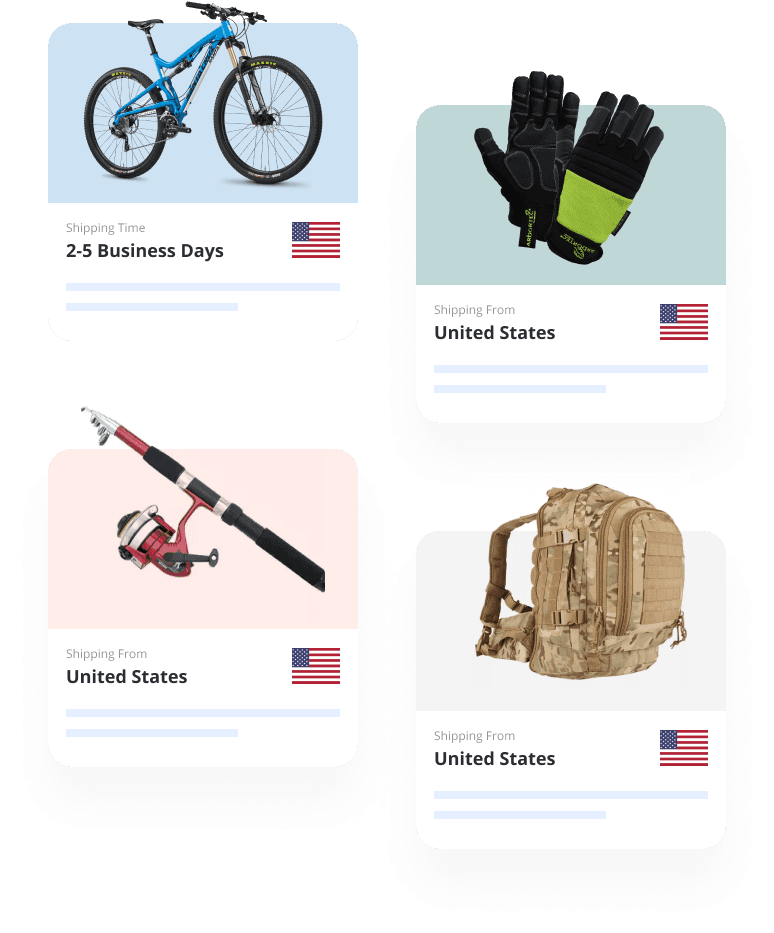
Retailers working with U.S.-based suppliers reduce delivery times and build customer trust.
Focusing on specific product categories or underserved markets creates differentiation and stronger brand loyalty.
Expanding to platforms like Amazon, Walmart, and Etsy lowers dependency on a single channel.
Congratulations — you’ve reached the end of our step-by-step guide on how to start a dropshipping business. By now, you know what dropshipping is, how to be a dropshipper, and the strategies you need to launch and grow a profitable online store.
The next step is action. With TopDawg, you can turn your idea into a real dropshipping company in just a few clicks. Get instant access to 500,000+ wholesale products from 3,000+ U.S. suppliers, connect your store to Shopify, Amazon, or Walmart, and start selling today with automated inventory and order fulfillment.