Mitigate Tariff Impact With Supply Chain Collaboration (Forbes)
This Forbes article explores how rising tariffs are reshaping e-commerce and why supply chain collaboration is becoming essential for online retailers and dropshippers. Featuring analysis from TopDawg, the article details how tariff changes affect overseas shipments and why domestic suppliers and transparent partnerships help reduce costs, strengthen resilience, and streamline fulfillment.
Published on July 31, 2025
VIEW PUBLICATION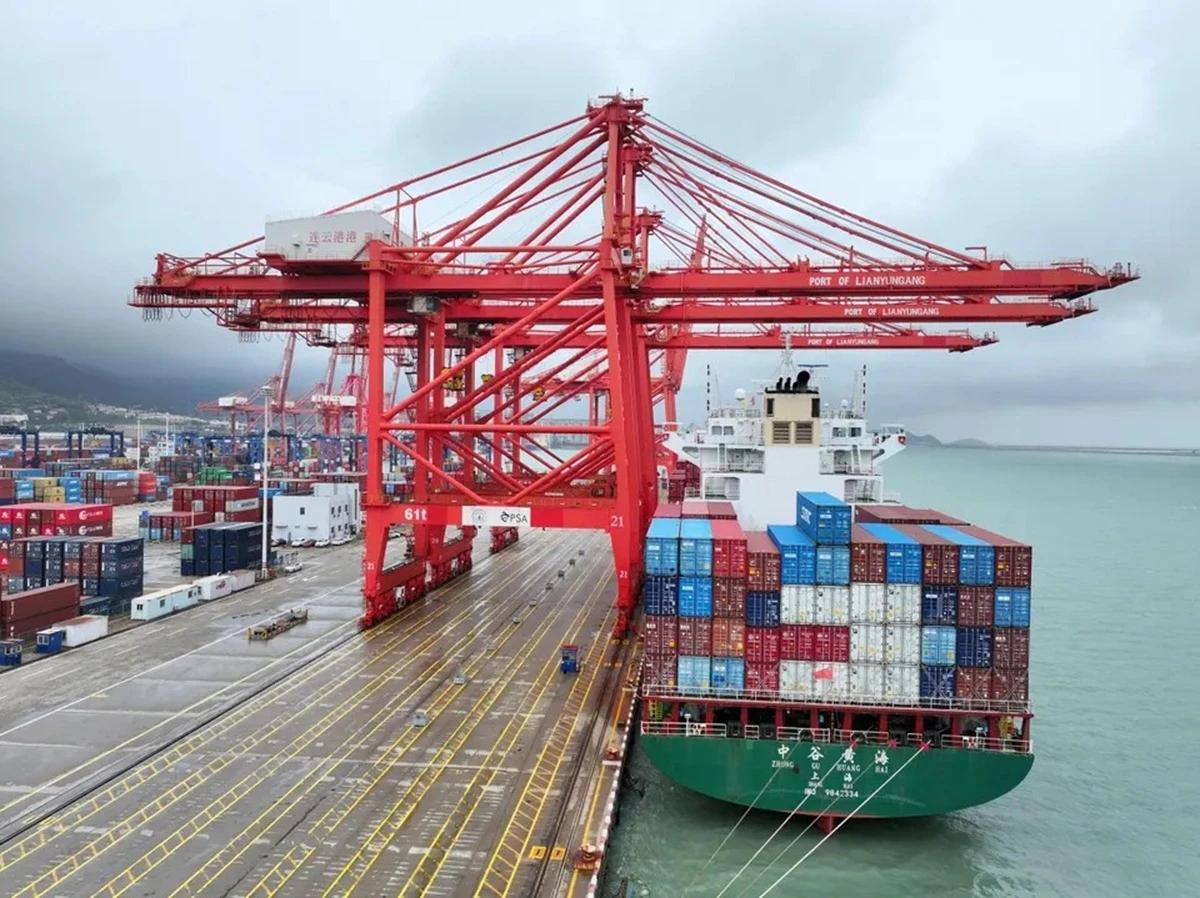
How Supply Chain Collaboration Helps Dropshippers Reduce Tariff Costs
The Forbes article examines the growing impact of U.S. trade policies on global e-commerce and highlights how collaboration across the supply chain is becoming a critical strategy for mitigating rising tariff costs. As the dropshipping industry expands toward a projected $5.89 trillion global ecommerce market by 2029, platforms and retailers are looking for ways to protect margins while improving fulfillment reliability.
A key section of the article references TopDawg’s tariff analysis, which outlines how recent U.S. changes — including the elimination of the de minimis exemption for imports under $800 and new duty rates on postal shipments from China and Hong Kong — have increased costs dramatically. Under the new rules, a $100 imported product could now cost retailers an additional $200–$120 in duties, making overseas sourcing unpredictable and often unprofitable. This shift is accelerating the movement toward domestic dropshipping suppliers, where fulfillment is faster, more stable, and insulated from tariff volatility.
Industry experts interviewed in the article explain that the most successful retailers are now leaning into deeper cooperation with suppliers, freight partners, and logistics specialists. Trade compliance leaders note that transparent communication around component sourcing, tariff exposure, and manufacturing origins helps businesses avoid costly surprises and uncover opportunities to reduce duties. Methods like the U.S. Customs First Sale rule, joint funding of tariff-optimization solutions, and proactive sharing of component breakdowns can dramatically lower landed costs.
For retailers using platforms like TopDawg, which focuses exclusively on U.S. suppliers and automated domestic fulfillment, these practices align with a broader shift toward more resilient, tariff-proof supply chains. By improving transparency, strengthening supplier relationships, and reducing dependency on overseas imports, dropshippers can maintain profitability while offering more consistent, competitive pricing to end consumers.
The article concludes that collaboration is no longer optional — it is a foundational strategy for building a stronger, more resilient supply chain in an era of ongoing tariff uncertainty. Retailers, distributors, and suppliers who embrace open communication and aligned goals are best positioned to scale profitably, adapt to trade policy changes, and meet rising consumer expectations.
Other Publications Featuring TopDawg
10 Most Trusted U.S. Dropshipping Suppliers (International Business Times)
12 Best Dropshipping Suppliers in USA We’ve Hand-Picked (ecomstart.io)
15 Best Pet Supplies and Products Dropshipping Suppliers (dropship.io)
From SaaS to Supply Chain: Why TopDawg Is Ranked a Top 10 U.S. Dropshipping Supplier (TechGYD)
Want to see more media coverage?
Explore the full list of publications featuring TopDawg and see why we’re leading the future of U.S. dropshipping. 📰 View All Press Coverage →
Frequently Asked Questions
Additional Resources






Create a Free Account to Get Started
Creating a free account only requires a valid email address, with no credit card needed.